Travel Guides & Tips in this video
- Tip 1Set expectations for the day, balance travel logistics with cultural immersion in Ningxia and Inner Mongolia. (02:04)
- Tip 2If you visit Ming Changcheng, plan a multi-province Great Wall trek with time to explore signage and fortress sites. (06:22)
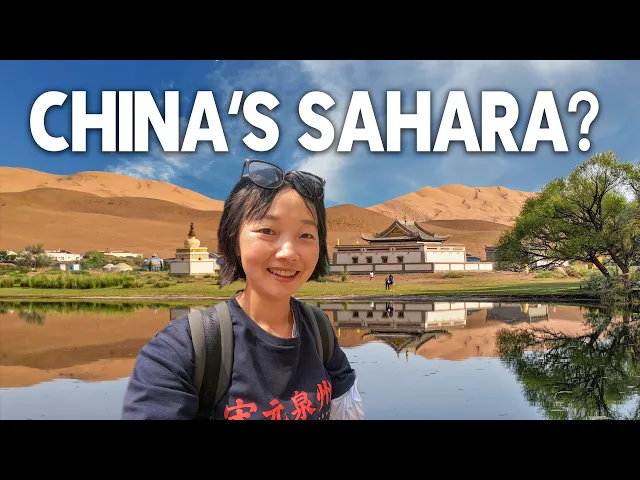
- Tip 3In the Tengger Desert, watch for desertification efforts like straw grids and learn how nomadic life coexists with modern conservation. (09:10)
- Tip 4Stay safe during desert travel: watch for sandstorms, carry water, and know where to camp or rest in yurts. (14:10)
- Tip 5Be ready to improvise with gear; shallow breakages happen in remote desert roads and teamwork matters. (15:16)
In this episode, Bao Bao and Flo continue their road trip through Ningxia Hui Autonomous Region, weaving between lively brunch culture in Wuzhong and the capital Yinchuan before venturing into Inner Mongolia. The journey blends history, culture, and stark landscapes as they trace the Silk Road’s legacy and witness the region’s Hui Muslim heritage. They sample Wuzhong’s famous Zao Cha brunch, hear about Ningxia’s unique status as China’s Hui autonomous region, and learn about the Silk Road migrations that shaped local communities. Their route then climbs into Inner Mongolia, where Mongolian script appears on road signs and the terrain shifts to deserts and steppe life. A key stop is the Tengger Desert, where they observe straw grid planting to combat desertification, encounter nomadic herdsmen and desert logistics, and catch glimpses of lakes and distant livestock. The day’s arc moves from grand historical markers like the Western Xia tombs and Ming Changcheng stretch of the Great Wall,
Next travel video: ( 47 / 57 )
More about the current video:( 46 / 57 )

Bao Bao and Flo kick off with a lighthearted gag about a broken bag and a tight kg limit, then introduce their sponsor Sally and the convenience of E sim travel. They reflect on Wuzhong as Ningxia’s brunch capital and savor a multi-dish zao cha, including a standout goji berry mango pudding unique to the region. The narrative pivots to Yinchuan and an overview of Ningxia Hui Autonomous Region’s identity, highlighting Hui people as a major Chinese Muslim community with Silk Road roots. They discuss wine heritage in Helan mountains and mention the Western Xia tombs and the tidal pull of Inner Mongolia as the desert road unfolds. The Great Wall segment along Ming Changcheng reveals the vast network across multiple provinces and regions. The Tengger Desert introduces desertification efforts, straw grids, and a striking contrast of desert, oasis lakes, and nomadic life. Interactions with Mongolian herders, a desert ATV ride, and micro-encounters with locals punctuate the journey. A sunset ride culminates in a plan to camp at a desert lodging, but a gear hiccup tests their improvisation skills, prompting a last-minute fix as they press forward. Bao Bao’s reflections on landscape, heritage, and resilience thread through the day as they navigate language gaps, hospitality, and the sheer scale of China’s northern frontiers. Bao Bao’s travel companion Flo shares the wheel on rough roads, and the duo’s optimism remains intact as they troubleshoot together and keep moving forward.
FAQs (From the traveler's perspective)
- Q: What is Ningxia Hui Autonomous Region known for?
- A: It’s known for its Hui Muslim heritage, dry climate, wine from the Helan mountains, and its position as China’s autonomous region within the Ningxia province.