Hexi Corridor Silk Road: Guazhou Melons & Gansu Desert Journey

Following Marco Polo Through China’s Sweetest Desert! 🍉🇨🇳 S3, EP7
Destination:ChinaProvince:GansuCity:Zhangye
Following Marco Polo Through China’s Sweetest Desert! 🍉🇨🇳 S3, EP7
Little Chinese Everywhere2025-08-0923 min

After an unforgettable adventure in the Badain Jaran Desert — home to the world’s highest stationary sand dunes — we continued our epic journey along the legendary Hexi Corridor, one of the most important routes of the ancient Silk Road. Our path took us from Alxa Right Banner in Inner Mongolia, through Zhangye and Jiayuguan in Gansu Province, before reaching Guazhou, at the far western edge of Gansu.

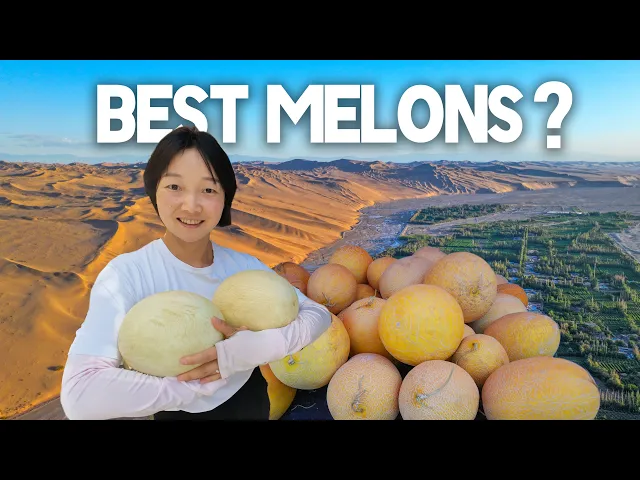
Guazhou literally means “melon area” and is famous for having some of the sweetest melons in China. In Silk Road times, this oasis was a treasured stop for traders and camel caravans crossing the vast desert — a place to rest, refresh, and indulge in the region’s legendary fruit. Join us on this journey through China's Hexi Corridor.

--- Little Chinese Everywhere
August 9, 2025, Summer in China

Video Chapters

  1. 0:00Intro
  2. 1:00Dafo Temple - Lying Buddha
  3. 3:45Heishui River - Hexi Corridor Lifeline
  4. 6:19Jiayuguan - Narrowest Point of Hexi Corridor
  5. 12:39Guazhou - The Capital of Melons
  6. 16:49Melon Stop Over
  7. 19:08Dunhuang - End of Hexi Corridor

Travel vlog chronicling the Hexi Corridor from Zhangye to Guazhou and Jiayuguan. The episode blends Silk Road history (Marco Polo, Ming Great Wall) with a melon

Travel Guides & Tips in this video

  1. Tip 1Taste and compare melons to anchor the Silk Road’s cultural landscape; notice climate effects on sweetness and texture. (0:00)
  2. Tip 2Look for Marco Polo’s traces in Zhangye: statue, local lore, and the golden Buddha—connect past to present. (1:11)
  3. Tip 3Visit Jiayuguan to understand the western gate’s strategic role; the Ming Great Wall frames the desert corridor. (7:04)
  4. Tip 4In Guazhou, explore markets at the oasis; ask locals about melon varieties, prices, and the day-night temperature swing. (12:43)
  5. Tip 5Prepare for Dunhuang: Mogao grottoes are a must, but respect photography rules and local history when you visit. (18:53)

Little Chinese Everywhere guides us along the Silk Road’s Hexi Corridor, pivoting from Zhangye’s historic bells to the shadowed lanes of Jiayuguan and finally to Guazhou’s legendary melons. The episode blends road-diary charm with history: Marco Polo’s supposed footprint in Zhangye, a colossal gold-covered Buddha, and the Han-era “Ganzhou” identity that linked central China to the western regions. The rider’s eye is drawn to the Heishui (Black Water) River that feeds oasis belts, a lifeline in the desert that sustains agriculture, markets, and human stories. The journey hits the Ming Great Wall at Jiayuguan, renowned as the western gateway of the Hexi Corridor, then sweeps into Guazhou’s fruit-rich markets—where melons become the unifying thread of culture, economy, and memory. Throughout, the traveler’s warmth and curiosity—evident in playful market banter, melon tastings, and questions about local identity—make history feel intimate rather than distant. Little Chinese Everywhere and,

More about the current video:( 46 / 55 )

Following Marco Polo Through China’s Sweetest Desert! 🍉🇨🇳 S3, EP7

Little Chinese Everywhere takes us along the Hexi Corridor, tracing ancient routes from Zhangye’s bell tower to Jiayuguan’s western gate, with Marco Polo’s memories guiding the way. The journey begins under a blue sky, features a gold-painted Buddha mentioned by Marco Polo, and ties the city’s past to today’s life along the Heishui river. We learn how the Han-era Ganzhou name opened the Silk Road’s western frontier and how the caravan route split north to Hami or south toward Dunhuang. The ride skirts desert edge and blooms into sunflower fields, then dives into Guazhou’s famed melon markets where locals boast about the area’s sweet fruit and dramatic day-night temperature swings. The episode echoes Marco Polo’s route south of the Taklamakan and imagines the perilous desert passages caravans once faced. The traveler, always curious and playful, shares market prices, melon varieties, and friendly banter with locals, turning taste into history. The trip ends with a warning of a blocked crossing and a nod to the desert that awaits tomorrow, leaving Little Chinese Everywhere hopeful about surviving the next leg of the Silk Road. Traveler name mentioned a couple of times, inviting viewers to taste history through fruit, landscape, and hospitality.

The narrative blends geography (Zhangye, Jiayuguan, Guazhou), ancient routes (Silk Road, Hexi Corridor), and local flavors (melons, fennel, hollyhocks) into a cohesive travelogue that feels both informative and intimate. The voice emphasizes how water supplies like the Heishui River sustain life in the desert oasis belt, and how markets become cultural hubs where stories and flavors mingle. The episode ends with a forward-looking note toward Dunhuang and Mogao grottoes, hinting at the next chapter in this living Silk Road diary.

Travelers who enjoy vivid landscapes, food anthropology, and historical texture will find the pace engaging, with discoverable details about melon varieties, pricing, and the climate-driven sweetness of Guazhou’s produce. The overall mood is warm, curious, and celebratory of shared human journeys across vast deserts and bustling oases.

Hexi Corridor Silk Road: Guazhou Melons & Gansu Desert Journey

After an unforgettable adventure in the Badain Jaran Desert — home to the world’s highest stationary sand dunes — we continued our epic journey along the legendary Hexi Corridor, one of the most important routes of the ancient Silk Road. Our path took us from Alxa Right Banner in Inner Mongolia,...

Hexi Corridor Silk Road: Zhangye to Guazhou Melon Market & J

Embark on a captivating journey tracing Marco Polo's footsteps through China's Hexi Corridor. This adventure takes you from the towering dunes of the Badain Jaran Desert to the ancient Silk Road's vital oases. Discover Zhangye's wonders, the historical Jiayuguan Pass, and the "melon capital" of Guazhou, where traders once refreshed with legendary sweet fruits. It's a vibrant exploration of history, culture, and the natural beauty of Gansu Province.

Attractions in this video: Mogao Grottoes, Ming Great Wall, Gobi Desert, Badain Jaran Desert, Heishui River