Travel Guides & Tips in this video
- Tip 1Arrive at Tacheng border area: meet locals, drink milk tea, and sample homemade butter and naan; practice patience with cross-border conversations and watch for language blends (Mandarin, Kazakh, Uyghur) while learning about mixed ethnic identities. (0:46)
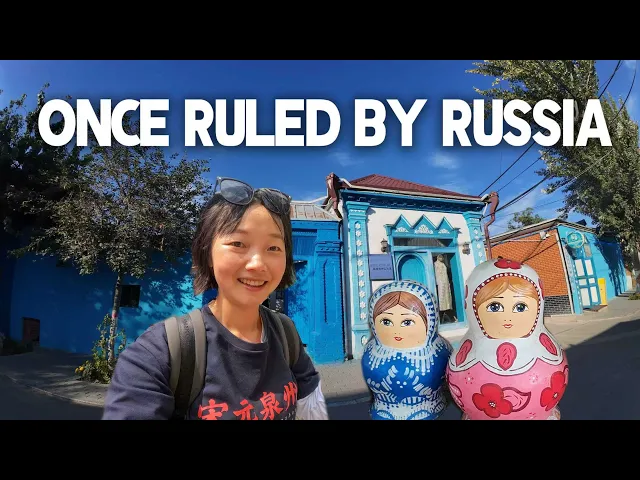
- Tip 2Explore Tacheng’s multicultural street life: Russian bread, Napoleon cake, and Chinese–Kazakh street exchanges highlight the border’s historical trading character. (6:03)
- Tip 3Discuss winter and summer camps of herders: plan ahead for long winters, how families split time between Tacheng and Toli, and how livestock migrations shape daily life. (11:10)
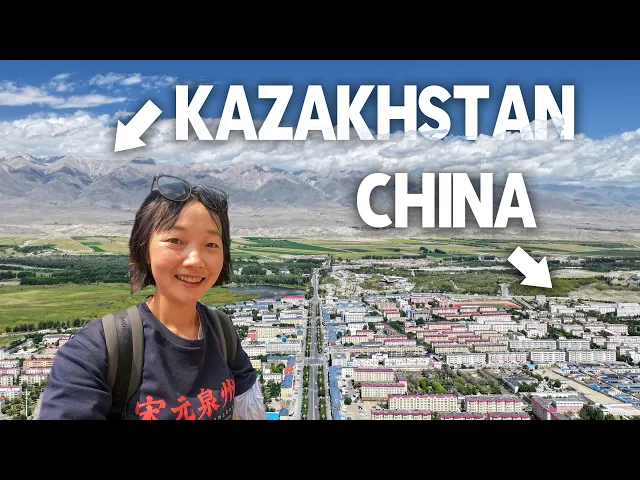
- Tip 4Alakul Lake border-view approach: note the buffer zone, border fence, and the sense of proximity to Kazakhstan while still in China. (18:40)
- Tip 5Public hot springs in Wenquan: relax with locals; try the hot foot bath and dairy-based treats like yogurt nuggets for a cultural snack. (23:41)
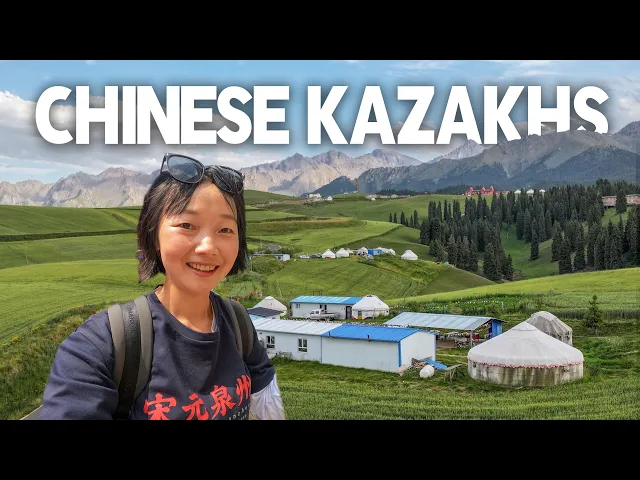
Little Chinese Everywhere guides us along a rugged westbound route from Karamay toward Tacheng on the China–Kazakh border. The day includes intimate roadside moments with herders, the aromatic first glances at the Karamay oil fields (Uyghur meaning “black oil”), and a growing sense of how multi-ethnic Tacheng is—Han, Uyghur, Kazakh, Mongol, Daur, and Tatars all mingle in a borderland that once thrived on cross-border trade. We meet a Kazakh couple offering milk tea and lamb skewers, swap jokes about sheep, and learn about shepherding cycles that swing between summer rangelands and winter camps in Toli. The landscape alternates between barren steppe and narrow green ribbons of valley, with Tarbagatai Mountain watching over the frontier and Alakul Lake’s distant mirror to Kazakhstan. A stop at Wenquan introduces a public hot spring where travelers soak under a western sunset, sharing stories with strangers from Kashgar to southern Xinjiang. Across the road, the border’s fence and buffer–
Next travel video: ( 48 / 53 )
More about the current video:( 47 / 53 )

On the road from Karamay toward Tacheng, the traveler unfolds a mosaic of borderland life where Uyghur, Kazakh, Mongol, and Russian influences fuse into a distinctive Tacheng identity. The Karamay oil fields are explained with a tactile description of bubbling soil that smells of diesel, while Marco Polo’s notes about oil remind viewers how long this land has traded hands. In Tacheng, strangers become friends: a herder offers milk tea and a bite of naan, while a dynamic exchange about language and lineage reveals how many ethnic groups coexist under one sky. The couple’s hospitality—sharing tea, butter, and even a “five lamb” barter—highlights daily survivals: summer camps, winter barns, and the delicate economy of lambs, butter, and yaks. The narrative shifts to the border itself, where a faint fence marks the buffer zone near Alakul Lake. The journey from Alashankou to Dostyk (Friendship) underscores China–Europe freight routes that still hum along the Silk Road. In Wenquan, yogurt nuggets and sour ice cream become a tastier study of local dairy traditions as the sun sets over a hot-spring complex, where people from Kashgar to southern Xinjiang converge for a public soak. The closing mood blends gratitude and curiosity: a reminder that a simple cup of tea or a shared laugh can bridge borders, and that travel can reveal a mosaic of ethnicities coexisting in an ancient trade corridor. Little Chinese Everywhere crafts a vivid, sensory close to a day that feels like a slow, neighborly festival at the edge of two nations. Traveler Little Chinese Everywhere asks viewers to keep exploring with wonder, one frontiersman’s hello at a time. In the end, the trip feels like a Silk Road handoff—between mountains, water, and people—ending with a sunset and the promise of more stories to come.
(Note: Names and places reflect the video’s events and locations as described.)
,"pageTitle":"Borderlands Between China and Kazakhstan: Oil Fields, Herders, and Wenquan Hot Springs in Xinjiang" ,
FAQs (From the traveler's perspective)
- Q: Can travelers cross the China–Kazakhstan border by road on this route?
- A: Yes, the Tacheng–Alashankou–Dostyk area is a cross-border corridor with checkpoints; be prepared with your passport and understand local border procedures.