Travel Guides & Tips in this video
- Tip 1China's airports are designed to be hassle-free, with clear signage making navigation easy for travelers. (1:05)
- Tip 2The floors in Chinese airports are exceptionally clean, allowing for a comfortable environment for everyone, including children. (1:21)
- Tip 3Look for indicators showing available bathroom stalls to avoid waiting in lines. (3:04)
- Tip 4Chinese airports are intelligently located for accessibility, often connecting directly to high-speed rail for city transit. (3:28)
- Tip 5Robots are available to assist with luggage, offering a glimpse into future travel convenience. (4:19)
- Tip 6You won't need to worry about speaking Chinese in major transport hubs; language assistance is readily available. (5:25)
- Tip 7Enjoy amenities like massage chairs designed for comfort and efficiency during your travel. (7:09)
- Tip 8Mobile payment systems like Alipay make ordering food and drinks seamless, often without direct staff interaction. (9:23)
- Tip 9Many facilities offer free phone charging stations, a small but convenient service for travelers. (12:10)
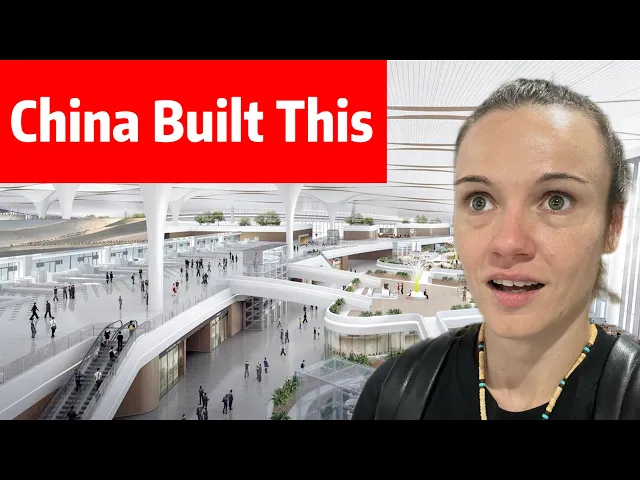
Lizzy's journey through Lanzhou, China, reveals a nation at the forefront of infrastructure development. She's captivated by the futuristic design, unparalleled cleanliness, and advanced technology evident in the airport, which she describes as feeling like stepping into the future. From self-charging robots assisting with luggage to intuitive signage and spotless floors, every detail is crafted for efficiency and convenience. Lizzy contrasts this with the struggles of Western countries to maintain and upgrade their own infrastructure, highlighting China's proactive approach. She emphasizes that this isn't just for show; it's a deliberate strategy to enhance the lives of its citizens and position itself as a global leader in innovation and progress.
Next travel video: ( 102 / 103 )
More about the current video:( 101 / 103 )

Lizzy's arrival in Lanzhou, China, immediately immerses her in a world of advanced infrastructure that she finds almost unreal. The airport itself is a testament to China's commitment to progress, boasting a design, cleanliness, and technological integration that she feels far surpasses airports in Western countries. She notes the seamless efficiency, from easy transfer ticket acquisition to clear, abundant signage, and even highlights the pristine floors that allow children to play freely.
The airport's architecture and lighting create a futuristic ambiance, a stark contrast to what Lizzy perceives as Western airports struggling with outdated systems. She is particularly impressed by the thoughtful design, such as integrated greenery and the sophisticated, almost luxurious feel of the bathrooms, complete with indicators for stall availability.
A significant highlight for Lizzy is the presence of numerous robots, some even capable of self-charging. She encounters a robot designed to assist with luggage, humorously noting that while it could take her bag to the gate, her gate was close enough that she opted to carry it herself. The sheer ubiquity and functionality of these robots underscore China's innovative spirit.
Lizzy observes that China's infrastructure development isn't merely for aesthetic appeal but is strategically planned for maximum convenience and efficiency. She points out the intelligent integration with high-speed rail, making travel between cities effortless. The calm, orderly atmosphere within the airport, where people seem to navigate with ease and without rush, further emphasizes this well-planned system.
She contrasts China's proactive development with the challenges faced by Western nations in maintaining their infrastructure. Lizzy posits that China's leadership in efficiency and convenience is a result of direct action and execution, rather than just rhetoric or criticism of other countries. She believes this focus on tangible improvements for citizens is why China is perceived as 'winning' and why its products are so popular globally.
Lizzy expresses a wish to explore more of the Lanzhou airport, regretting not having more time. She concludes by imagining the scale and efficiency of airports in major hubs like Beijing and Shanghai, anticipating that China's lead in infrastructure will only widen. The experience leaves her, and she suggests, many Chinese people, impressed and excited about the nation's trajectory.
FAQs (From the traveler's perspective)
- Q: What was Lizzy's first impression upon landing in Lanzhou?
- A: She was struck by the unreal, futuristic design and cleanliness of the airport, feeling like she had stepped into the future.
- Q: What made the airport floors so notable?
- A: They were exceptionally clean, to the point where a child could roll around without issue, reflecting the high standards of maintenance.
- Q: What role did robots play in the airport experience?
- A: Robots were present for various functions, including self-charging and assisting with luggage transport to the gate.
- Q: How does Lizzy compare Chinese infrastructure to Western infrastructure?
- A: She believes China is far ahead, focusing on building new, efficient systems, while Western countries struggle to maintain or upgrade existing ones.
- Q: What is the key takeaway about China's development approach?
- A: Lizzy emphasizes that China builds and improves through action and execution, focusing on making life more convenient and comfortable for people.