Original source
Visiting China's Most Primitive Village I S2, EP92
Eya Village: Exploring Remote Sichuan's Unique Culture
On my way to Eya Village I am stopping in a small town called Muli City. The city is particularly characterized by its huge variety of different ethnicities.
The next day I eventually went to Eya Village which is one of the most remote and primitive places I have ever been to in China. I met...
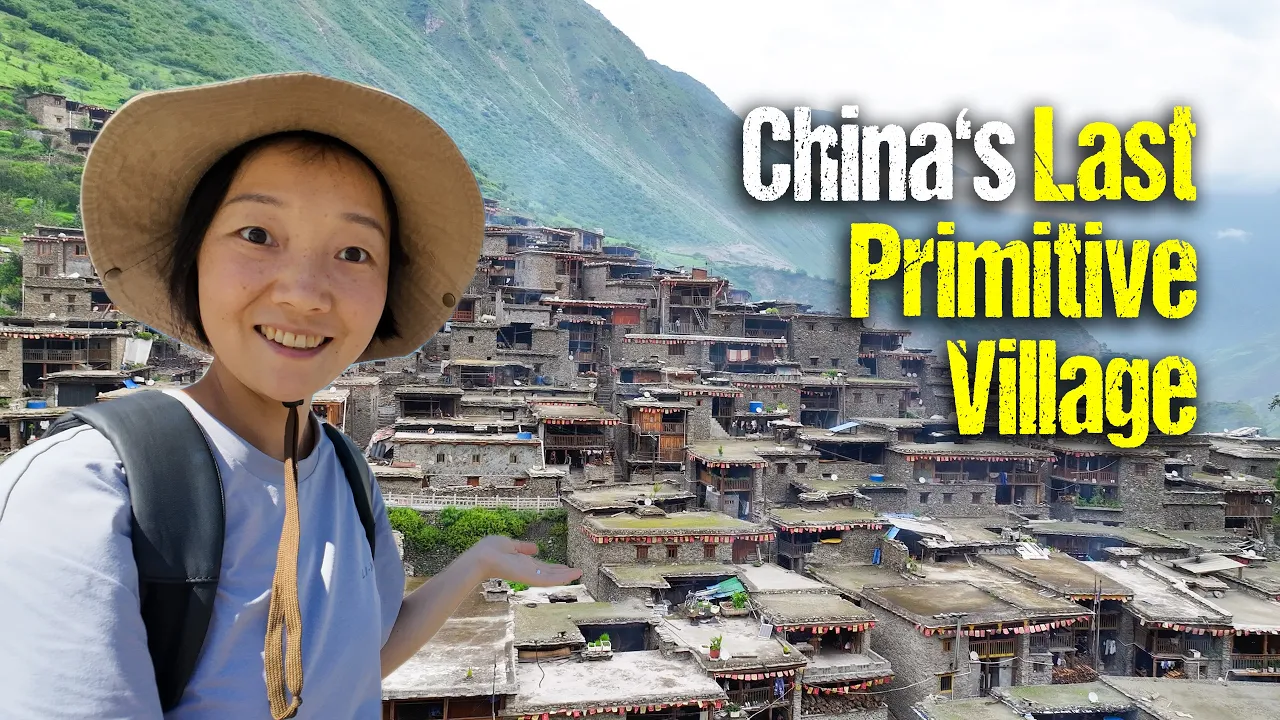
On my way to Eya Village I am stopping in a small town called Muli City. The city is particularly characterized by its huge variety of different ethnicities.The next day I eventually went to Eya Village which is one of the most remote and primitive places I have ever been to in China. I met incredibly hospitable people who showed me a glimpse of their lives in far remote China.Join me on my trip to the most isolated village in China.
Little Chinese Everywhere's journey takes us to the heart of rural China, specifically to Eya Village, one of the most remote and primitive places she's ever been. The video begins in Muli City, a melting pot of ethnicities, before venturing into the breathtaking isolation of Eya Village. Viewers will witness the incredible hospitality of the locals and gain a unique insight into their lives, far removed from the bustling cities. This is a captivating glimpse into a side of China rarely seen.
On my way to Eya Village I am stopping in a small town called Muli City. The city is particularly characterized by its huge variety of different ethnicities.The next day I eventually went to Eya Village which is one of the most remote and primitive places I have ever been to in China. I met incredibly hospitable people who showed me a glimpse of their lives in far remote China.Join me on my trip to the most isolated village in China.
This episode of "Visiting China's Most Primitive Village" follows Little Chinese Everywhere's journey to Eya Village in Muli County, Sichuan Province. The journey itself is an adventure, involving a long bus ride through winding mountain roads and a reliance on local contacts to secure transportation. Muli City, a surprisingly large and bustling urban center built into the mountains, is revealed as a melting pot of ethnicities, including Tibetans, Yi, Han, Bai, and Naxi people, showcasing a fascinating blend of Tibetan and Chinese cultures. The city's unique character is highlighted by its architecture, street life, and the resourcefulness of its inhabitants who utilize every available space, including rooftops, to grow vegetables.
Little Chinese Everywhere's interactions with locals provide intimate glimpses into their lives. Conversations with shopkeepers and villagers reveal the economic activities of the region, the prevalence of specific ethnic groups in certain trades (like Bai people owning silverware shops), and the challenges of living in such a remote area. The trip to Eya Village further emphasizes the isolation and unique traditions of the region. The village's subsistence farming economy, the intricate process of flax thread production for bag making, and the unique social structures, including the practice of polygamous marriage, are explored in detail.
The video captures emotional moments, such as shared meals with villagers and intimate conversations about daily life, creating a sense of connection and understanding. Little Chinese Everywhere's experiences in Eya Village, including observing the villagers' daily routines and interactions, provide a rare and insightful look into the lives of people in one of China's most remote and unique communities. The video is a testament to the diversity and resilience of Chinese culture and the enduring human spirit in the face of isolation and challenge.
Little Chinese Everywhere embarks on an extraordinary journey to Eya Village, one of China's most remote and primitive settlements. This isn't your typical travelogue; it's a deep dive into a unique culture, exploring the daily lives of its inhabitants and their fascinating traditions. From navigating winding mountain roads and encountering the vibrant multi-ethnic city of Muli to experiencing the warmth and hospitality of the villagers, Little Chinese Everywhere's adventure is full of surprising discoveries and authentic interactions. Witness the age-old practices of weaving and the unique social structures that define this isolated community. This video offers a rare glimpse into a world untouched by time, leaving viewers with a profound appreciation for the diversity and resilience of Chinese culture.
Little Chinese Everywhere explores remote Eya Village in China, experiencing its unique culture and the warmth of its people firsthand. An unforgettable journey into a world untouched by time.
Remote Sichuan Village: Eya's Unique Culture and Traditions
2:10 Be prepared for unexpected delays in remote areas of China. Transportation might not always be reliable, so it's wise to have backup plans and be flexible with your itinerary.
11:31 Road conditions can vary greatly in rural China. While improvements have been made, some areas may still have challenging roads, especially during the rainy season. Consider this when planning your trip.
12:53 Eating alone in rural China can be challenging. Many restaurants cater to larger groups, and ordering individual dishes may be difficult. Consider sticking to simpler noodle or rice dishes if dining solo.
15:31 If you are interested in traditional crafts, take the time to learn about the local processes. Many rural communities in China still maintain traditional skills and techniques. Ask locals about their crafts and offer to help if possible.
20:03 Learn about the different ethnic groups in the region before you go. This will help you better understand the local culture and customs, and avoid unintentional cultural faux pas.
24:45 Respect local customs and traditions. In some villages, there may be restrictions on where you can walk or what you can do. Pay attention to your surroundings and ask locals for guidance.
0:45 Journey to Muli County
2:10 Unexpected stay in Muli
5:30 Traditional Yi clothing
6:01 Muli's diverse cultures
10:08 Arrival at Eya Village
12:24 Lunch with villagers
15:21 Flax thread making
16:14 Home visit and homemade wine
20:03 Naxi people's traditions
27:35 Polygamous marriage in Eya
0:00 Intro
1:40 Ethnic Minorities of Muli City
10:06 Heading to Eya Town
13:48 Eya Village - Chinese most primitive Village
15:07 Meeting a local family
25:41 Naxi People