Original source
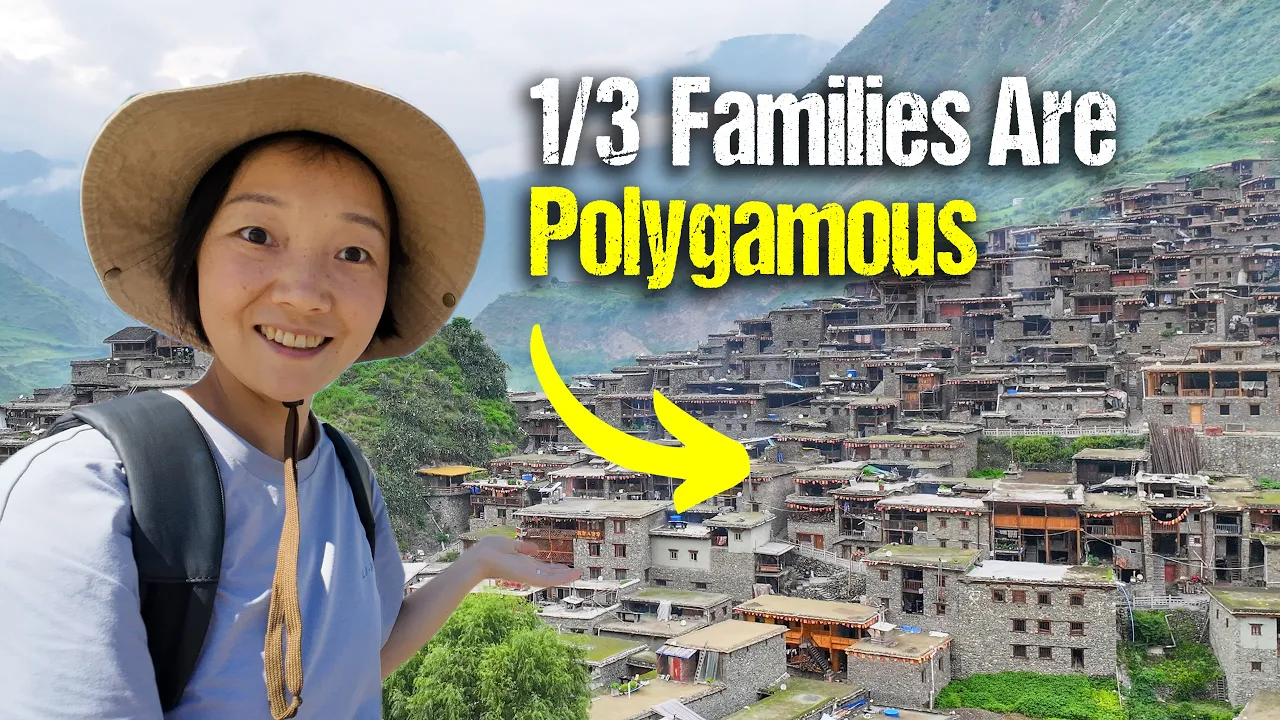
Life in China's ONLY Polygamous Village I S2, EP93
Eya Village: China's Unique Polygamous Community
I am still in Eya Village which is also known for its communal marriage. In the past women could have more than one husband. There are families where one woman has even 4 husbands.
Join me on this episode in China's last primitive village 🎬
Do you want to see more of my adventures? 🎬
Do you want...
I am still in Eya Village which is also known for its communal marriage. In the past women could have more than one husband. There are families where one woman has even 4 husbands.Join me on this episode in China's last primitive village.
Explore the unique traditions of Eya Village, China's last remaining village with a history of communal marriage, where women could have multiple husbands. Witness firsthand the captivating culture and daily life of this remote community, offering a glimpse into a fascinating aspect of Chinese history and diversity. This episode unveils the intriguing customs and social dynamics that make Eya Village so exceptional.
I am still in Eya Village which is also known for its communal marriage. In the past women could have more than one husband. There are families where one woman has even 4 husbands.Join me on this episode in China's last primitive village.
This episode of "Life in China's ONLY Polygamous Village" delves into the unique communal marriage practices of Eya Village in Sichuan Province, a remote area only accessible by foot or horse until 2010. Little Chinese Everywhere, our intrepid traveler, explores this fascinating and often challenging tradition.
The video begins by introducing the concept of polyandry, where one woman marries multiple men, often brothers within the same family. Little Chinese Everywhere speaks with villagers, gaining insight into the historical and practical reasons behind this practice, which was often a strategy for survival in a harsh environment with limited resources. The arrangement, while seemingly unconventional, is presented as a compromise born out of necessity and parental arrangement, with potential for both harmony and conflict.
The documentary then introduces Guma, a local villager and popular TikTok influencer, who grew up in a family with two mothers and one father. Guma's story provides a personal perspective on growing up within this system, emphasizing the love and care she received from both mothers. She also discusses the challenges and potential for conflict within such a family dynamic, highlighting the importance of communication and mutual respect.
Guma's success as a live streamer offers a remarkable contrast to the village's traditional ways. She uses her platform to sell local products, boosting the local economy and offering a glimpse into the village's connection to the wider world through technology. The video also showcases other young women utilizing live streaming as a means to supplement their income.
Through interviews and intimate observations, the video paints a vivid picture of life in Eya Village, showcasing both the challenges and resilience of its inhabitants. It's a story of adaptation, highlighting how tradition and modernity can coexist, creating a unique and compelling narrative.
Journey into the heart of Eya Village, China's last primitive village, unveils the unique tradition of communal marriage. Little Chinese Everywhere explores this fascinating custom, interviewing villagers and documenting their daily lives. From the challenges faced by women in this system to the surprising success of young villagers leveraging social media, this video offers a rare glimpse into a community adapting to modernity while preserving its cultural heritage. A captivating blend of cultural insight and personal stories makes this a must-watch.
Little Chinese Everywhere explores China's unique polygamous village, revealing surprising stories of resilience and adaptation in a remote community embracing modernity.
China's Polygamous Village: Eya's Unique Tradition
2:12 In the beginning of this communal marriage, my mother-in-law had three children. They left after the 3 children were born. This highlights the challenges and potential instability within these relationships.
3:35 Communal marriage is a strategy to survive the hard life. It can also fail, but how about families that stay in this marriage?
6:47 In the words of the older generation, communal marriage was a population control measure implemented during the era of the native chieftain system, due to the barren land and limited resources.
8:15 The idea of not dividing up the property and land is also a factor contributing to the continuation of communal marriage.
10:20 If you grew up in such a family, how does it feel? Guma shares her experience of having two mothers and the positive aspects of this upbringing.
11:08 How do your two mums share work? The division of labor is clear, with one mother handling household chores and the other managing external affairs.
13:03 Although the food is not very good, it's all fresh and local, reflecting the self-sufficient lifestyle of the villagers.
14:26 The polygamous marriage tradition used to be an embarrassing topic, but now more locals are open to talk about it on social media.
15:01 Why did you think of doing live streaming? Guma's story of transitioning from hotel management to live streaming influencer is inspirational.
19:47 Perhaps that's also something fascinating about Eya: it remains so primitive yet now it finds a way to connect to modernity and a bigger world outside the mountains.
0:00 Polyandry in Eya Village
0:38 Eya Village Introduction
1:15 Communal Marriage Interview
3:47 Meeting Guma, a local influencer
5:30 Guma's home and daily life
15:01 Guma's live streaming journey
17:34 Impact of live streaming on the village
18:09 Other girls' live streaming experiences
20:07 Conclusion and departure