Travel Guides & Tips in this video
- Tip 1Use the subway for fast, cheap city movement; embrace Octopus card payments for seamless exits and entries. (00:34)
- Tip 2Visit working-class eateries for authentic local breakfasts; lines often signal quality and tradition. (09:31)
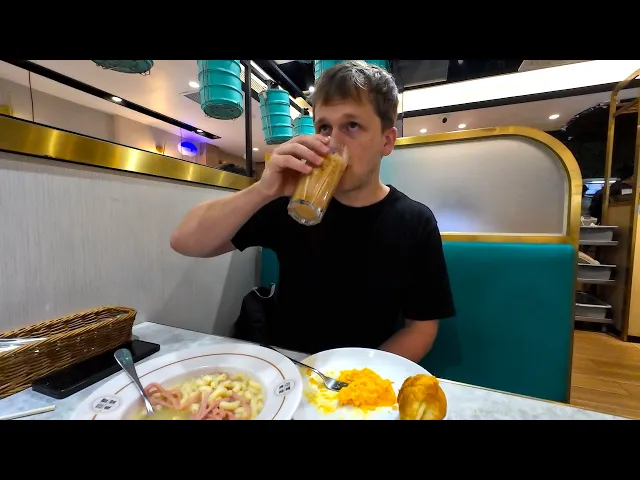
- Tip 3Milk tea ritual: stir to mix condensed milk and tea for a balanced, creamy taste; sip slowly to appreciate depth. (10:55)
- Tip 4Statue Square offers a lens on colonial history; reflect on how public spaces encode power and memory. (14:40)
- Tip 5Back-market noodle bowls can rival famous restaurants for flavor; ask locals for recommendations and be open to small kitchens. (19:46)
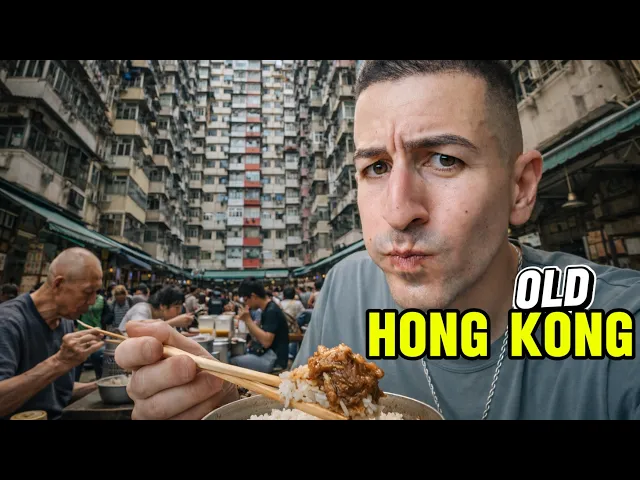
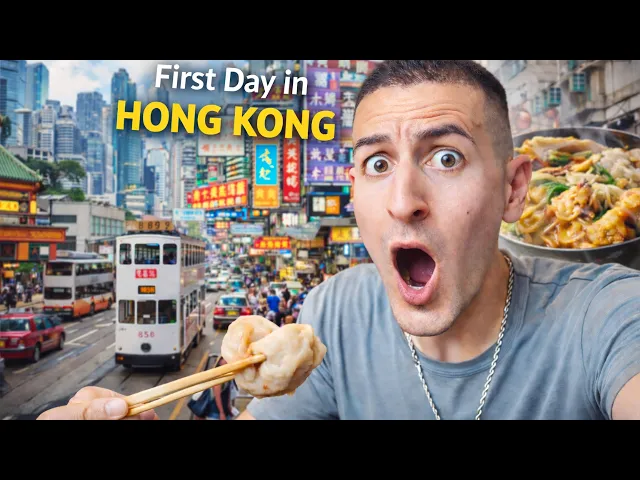
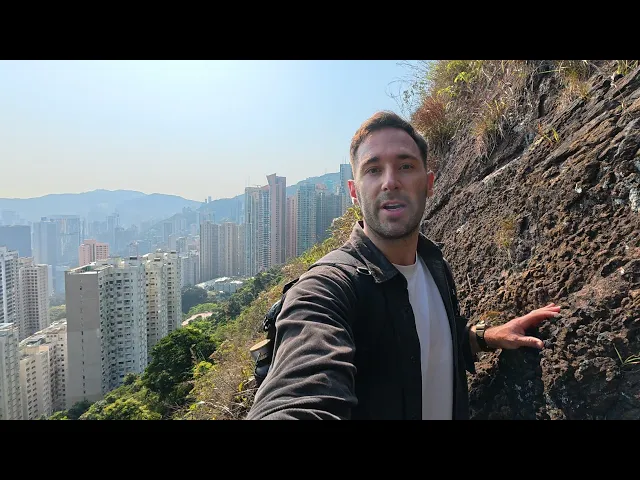
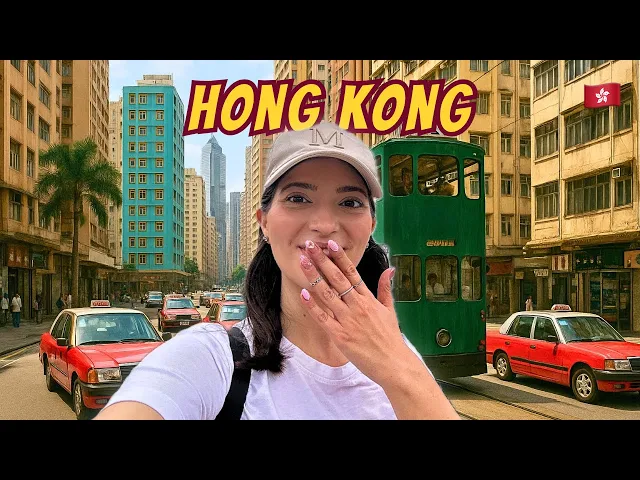
In this travelogue through old Hong Kong, the narrator dives from the city’s gleaming skyscrapers into its gritty, lived-in corners. He starts underground, marveling at a subway system that feels almost too efficient to be real: clean platforms, exits with bakeries, and a network so seamless that taxis seem unnecessary. The journey then rises to the Monster Building, which becomes a powerful symbol of Hong Kong’s density and resilience. He follows its edge to observe clothes drying from windows, tiny kitchens, and the way residents keep homes smelling fresh to remind neighbors of life beyond the bustle. The milk tea sequence becomes a playful study in patience, as the drink shifts from bitter to creamy sweetness, mirroring the city’s own slow, stubborn charm. From fluorescent noodle shops with no English menus to a back-market bowl that tastes of decades, the narrative foregrounds sensory realities that brochures often skip: practicality, crowding, and survival. The travelogue shifts,
Next travel video: ( 34 / 35 )
More about the current video:( 33 / 35 )

In this immersive exploration that blends curiosity with critique, the narrator, sometimes identified as That Evan Guy, ducks into underground efficiency and above-ground density. He notes how the subway system feels almost unfairly clean and convenient, with exits lined by bakeries and accessible payment methods. He circles the Monster Building, using it as a metaphor for how displacement and growth shape old Hong Kong, and he’s drawn to the intimate realities of daily life: cramped kitchens, laundry hung across narrow windows, and the need to keep living spaces fresh for the sake of neighbors and visitors alike. The milk tea journey becomes a patient meditation on flavor, from bitterness to a creamy sweetness. He discovers a back-market noodle shop that delivers a broth steeped in decades of practice, a testament to enduring craft over trends. Along Statue Square and the night market, he reflects on colonial history, occupation, and the endurance of local communities who carve space where there was little. He moves from tourist-friendly zones to working-class streets, where the lines for humble meals reveal a social fabric rooted in shared tables and quick bites. The voice is intimate, observant, and often self-aware about the camera’s gaze, the ethics of photographing people’s homes, and the tension between glamour and lived reality. The journey blends sensory detail with historical memory, offering a portrait of a city that moves forward through hustle, density, and small, stubborn joys. Traveler That Evan Guy guides the audience through this layered city, inviting viewers into moments of flavor, scent, and texture that keep Hong Kong alive beyond its glossy image.
FAQs (From the traveler's perspective)
- Q: What makes the Monster Building special?
- A: Its sheer density and sprawling footprint reflect how the city grew to accommodate people in tight spaces, turning a utilitarian building into a symbol of old Hong Kong life.