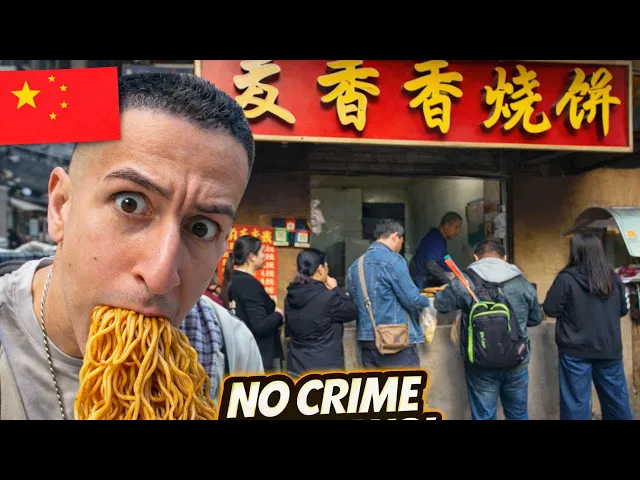
This street changed how I understand Wuhan. It starts with a line for noodles that carried people through war. On Grain Street, food wasn’t just food — it was survival. During the Japanese invasion, when Wuhan became a wartime capital, people hid in basements, cities were being destroyed, and these noodles were still being made to keep people alive.
What I expected to be a quick street food stop turned into a walk through history. From legendary hot dry noodles soaked in sesame and soy, to alleys where families still live the way they did decades ago. From bomb shelters to sweet potatoes, these streets are overflowing with life. One moment you’re eating a $3 meal that tastes unreal, the next you’re standing where soldiers once watched over the city!
This time, the video isn’t just about “trying food.” It touched me. It’s about how food remembers things people don’t forget. I hope Chinese people do not forget their history like many of our young people in America. Old Wuhan. New Wuhan. War, survival, daily life, and flavors that explain the soul of a city better than any museum ever could. This is why I rather roam the streets that have history than go to a museum. But then again, museums are very fun. :) If you like slow discovery, real street moments, and cities that don’t feel staged — this one’s for you. Remember, don't watch while hungry!
Explore Wuhan's historic Grain Street with That Evan Guy, tasting survival foods like hot dry noodles and roasted goose while experiencing the city's blend of old and new.
Travel Guides & Tips in this video
Step into Wuhan's historic Grain Street with That Evan Guy, where every bite tells a story of survival. From the legendary hot dry noodles that sustained people through wartime to the enduring alleys of old Wuhan, this journey is a feast for the senses and the soul. Discover unique street breads, a surprising lotus flour dessert, and the unforgettable flavors of roasted goose, all while experiencing the city's rich history and vibrant street life.
Next travel video:
Wuhan's Grain Street: Survival Food & History
This street changed how I understand Wuhan.
It starts with a line for noodles that carried people through war. On Grain Street, food wasn’t just food — it was survival. During the Japanese invasion, when Wuhan became a wartime capital, people hid in basements, cities were being destroyed, and these...
Wuhan Street Food Tour: Hot Dry Noodles, Roasted Goose & History
Step into Wuhan's Grain Street, a place where food transcends mere sustenance to become a powerful symbol of survival and history. This video explores how the city's iconic hot dry noodles, once a lifeline during wartime, continue to tell the story of its resilient spirit. From ancient alleys to remnants of the past, discover the authentic soul of Wuhan through its vibrant street life and unforgettable flavors.
Attractions in this video: Grain Street, Snake Hill, Yellow Crane Tower
More about the current video:(Published on 2025-12-23)
This video takes us on a journey through Wuhan, China, specifically focusing on Lyang Dao Street, also known as Grain Street, a place steeped in history and culinary tradition. The traveler, That Evan Guy, explores this vibrant street, which served as a crucial food source during the Japanese invasion when Wuhan was the wartime capital. The narrative highlights how food became a means of survival, with noodle vendors bravely continuing their trade amidst danger to feed soldiers and civilians hiding in basements.
The star of the culinary exploration is the 'hot dry noodles,' a legendary dish that became essential during the war due to its ease of preparation in confined spaces and the longevity of its key ingredient, sesame butter. The description of the noodles emphasizes their springy texture, the rich, fatty, and nutty flavor from the sesame paste, complemented by a savory soy-based sauce and a hint of chili oil, creating an addictive and deeply satisfying experience. The traveler notes their unique flavor profile, distinct from other Chinese noodles, and rates them exceptionally high.
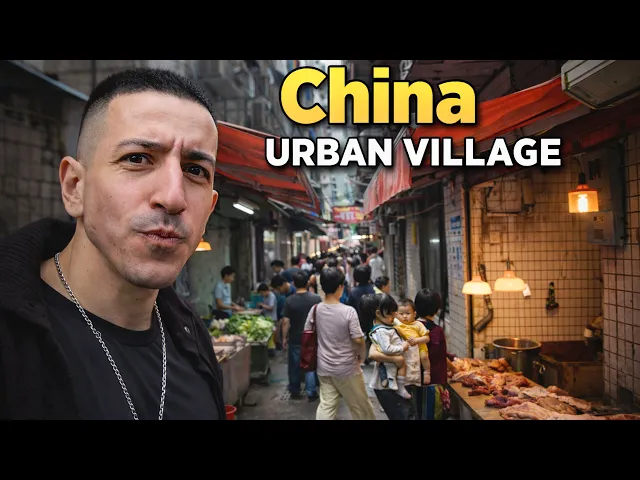
Beyond the iconic noodles, the video delves into the street's atmosphere, revealing alleys where traditional life persists alongside modern apartments. This juxtaposition of old and new is a recurring theme, showcasing the enduring spirit of Wuhan. The exploration extends to other historical aspects, like the sweet potato, which became a vital food source when rice fields were destroyed, and the strategic importance of hills like Snake Hill, which offered vantage points for soldiers during the invasion.
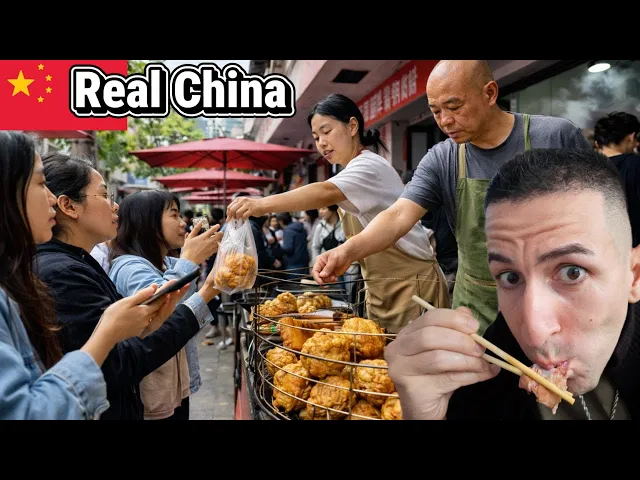
Further culinary discoveries include traditional Chinese bread with unique shapes and savory fillings, described as crispy, nutty, and juicy. The traveler also samples a unique dessert made from lotus flour, characterized by its sticky, gelatinous texture and a medley of healthy ingredients like black sesame seeds, raisins, and peanuts, offering a delightful mix of textures and flavors. The experience is rounded off with a visit to a bustling restaurant serving roasted goose and other dishes, praised for its tender meat, flavorful skin, and affordable price. The video captures the essence of Wuhan's food culture, emphasizing its historical significance and the authentic, everyday life that unfolds on its streets.
FAQs (From the traveler's perspective)
Q: What are the hot dry noodles like?
A: They are springy noodles with a unique fatty, nutty flavor from sesame butter, complemented by a soy-based sauce and a hint of chili oil, making them incredibly addictive.
Q: What was the historical significance of hot dry noodles?
A: During the Japanese invasion, these noodles were a go-to food because they were easy to make in basements and the sesame butter ingredient lasted a long time, providing sustenance.
Q: What other foods are notable in Wuhan?
A: Sweet potatoes were a vital food source during the war. The video also features unique Chinese breads with savory fillings and a sticky lotus flour dessert with various healthy toppings.
Q: What was the experience like trying the roasted goose?
A: The roasted goose was described as incredibly tender with melt-in-your-mouth fatty skin, marinated well with soy sauce and spices, making it a highly recommended and affordable dish.
Q: What was surprising about the coffee?
A: The coffee was surprisingly milky, with a much higher ratio of milk to coffee than expected, resulting in a very milky but still enjoyable drink.
Q: What are the clothing prices like in Wuhan?
A: Clothing prices are surprisingly low, with hoodies and sweaters often costing around $10-15, making it a great place for budget shopping.
Q: What is the atmosphere of Wuhan's streets like?
A: Wuhan's streets offer a fascinating mix of old and new, with historic alleys existing alongside modern apartments, creating a lively and authentic urban landscape.