Shenzhen’s Rapid Rise: Everyday Life, Infrastructure, and a

Living in USA vs. CHINA - USA can't Compete With China’s High Tech City (They LIED!)

Destination:ChinaCity:ShenzhenPopulation:17.6 million
Living in USA vs. CHINA - USA can't Compete With China’s High Tech City (They LIED!)
that Evan guy2026-01-2425 min

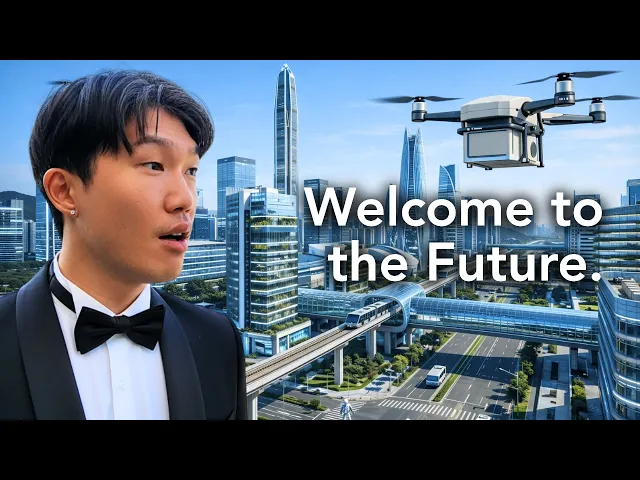
What you’re seeing here wasn’t supposed to exist. Just a few decades ago, this place was barely on the map. Today, it’s one of the most technologically advanced cities on Earth. I’m walking through Shenzhen to show what doesn’t make headlines back home. Not a montage. Not propaganda. Just everyday life, infrastructure, technology, and how fast things can change when a country actually commits to building. It’s about the difference in mindset, priorities, and what a society chooses to focus on, done out of free will and a will to help fellow citizens. If this surprises you, challenges you, or makes you uncomfortable, that’s the point. Don’t label me a spy or something like that. It’s for you to consider the facts and take action. Would your city be capable of this level of change?

--- that Evan guy
January 24, 2026, Winter in China
Video Chapters

  1. 0:00Intro to Shenzhen’s rapid development

A traveler named Evan explores Shenzhen, from its historical old town to a gleaming future-forward skyline, comparing China’s rapid development and everyday生活 (

Travel Guides & Tips in this video

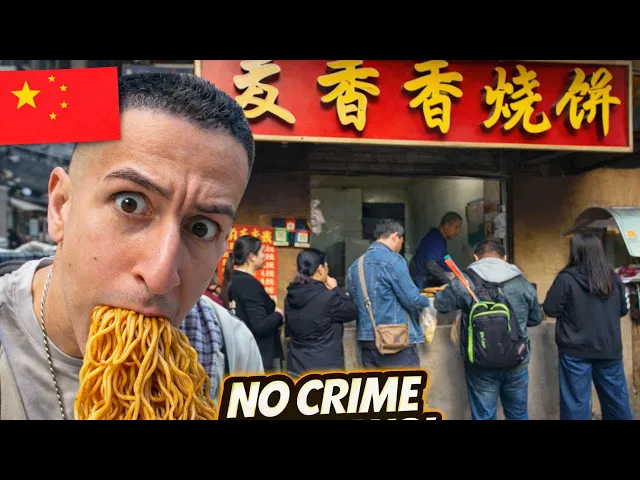
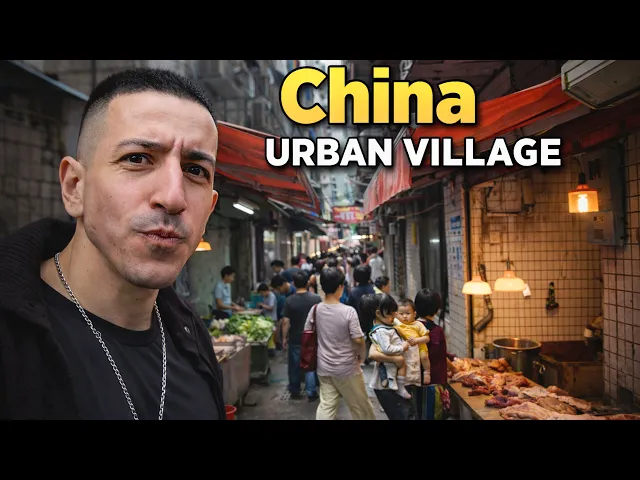
  1. Tip 1Stroll the old town for authentic street food and budget buys to feel the city’s roots before the modern boom. (00:15)
  2. Tip 2Experience the subway: one of Shenzhen’s layered, efficient transit hubs with easy tap-and-go payment. (09:01)
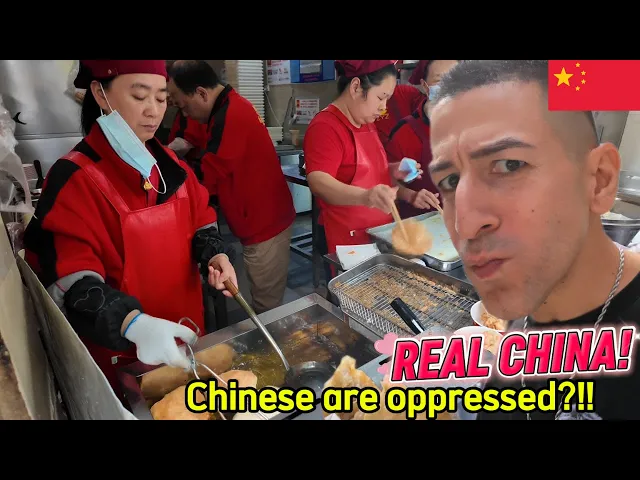
  3. Tip 3Observe migrant workers and the fusion of cuisines that showcase Shenzhen’s diverse labor force and culture. (16:34)

In this Shenzhen expedition, the traveler, Evan, contrasts the old and new faces of a city that transformed from a fishing village into a global tech powerhouse in just four decades. He starts in Shenzhen’s old town, gawking at bargain clothes and street-food stalls, marveling at how a place that barely existed 40 years ago now bustles with life and energy. As he wanders, he stumbles into scenes of everyday resilience and community, talking with workers, sampling pork trotters and other local fare, and noting the richness and flavor that come from simple, well-prepared dishes. The central thread is a bold challenge to Western narratives: look at the scale of development, the efficiency of infrastructure, and the sense of collective purpose driving rapid growth when a society pursues improvement for its citizens. Evan juxtaposes the old with the new—skyscrapers rising next to traditional eateries, pristine subway stations with spotless floors, and a city that feels almost cinematic in a

More about the current video:( 32 / 36 )

Living in USA vs. CHINA - USA can't Compete With China’s High Tech City (They LIED!)

Evan takes viewers through Shenzhen, starting in the old town where prices are cheap and food is abundant, then shifting to the new high-rise districts and a futuristic subway system. He notes how the city grew from nothing 40 years ago and marvels at the roads, layered transit hubs, and the sheer scale of construction. Along the way, he interviews locals, samples pork trotters and other dishes, and reflects on the social contract he perceives in China—people focused on building and advancing society, with a strong work ethic apparent in construction zones and food markets. He contrasts this with criticisms he’s heard about China, including surveillance and oppression, but he also hears firsthand accounts of helpful neighbors and a culture that values progress. The video frames Shenzhen as a testament to deliberate national effort, asking whether American cities could aspire to such transformation without losing sight of civic priorities. Evan mentions his own curiosity about language barriers, urban planning, and the daily realities of cost of living, taxes, and access to services. This journey is as much about the human experience—people sharing food, helping strangers, and a sense of pride in modern infrastructure—as it is about the architectural spectacle. The traveler’s voice blends awe with critique, inviting viewers to consider how mindset and policy shape a city’s fate. (Traveler name mentioned 1-2 times)

FAQs (From the traveler's perspective)

Q: Is Shenzhen as friendly as it seems?
A: From what Evan observes, locals are welcoming and helpful, even if language barriers exist.

Shenzhen’s Rapid Rise: Everyday Life, Infrastructure, and a

What you’re seeing here wasn’t supposed to exist. Just a few decades ago, this place was barely on the map. Today, it’s one of the most technologically advanced cities on Earth! what the heck, right? While much of the world talks, debates, and blames, this city was busy building — brick by brick,...

Shenzhen through the old town and the skyline: a traveler’s eye on a中国

In this piece, the traveler known as Evan takes us through Shenzhen to spotlight a city that has transformed in a few decades from obscurity to one of the world’s most technologically advanced places. Rather than a glossy montage or propaganda, the video promises an up-close look at everyday life, infrastructure, and the pace of change powered by a national commitment to building. The narrative contrasts the rapid, purpose-driven development seen in Shenzhen with a more reserved or skeptical stance toward progress elsewhere, inviting viewers to reflect on how priorities, mindsets, and public will shape a society. Evan makes it clear he isn’t trying to take sides or attack anyone; instead, he asks viewers to consider how public investment, innovation, and social choice influence daily life, from libraries to public spaces. The tone stays provocative but grounded, encouraging curiosity, critical thinking, and personal observation, while also warning against labeling or political derail,.

Attractions in this video: Old-town, Shenzhen-skyscrapers, Shenzhen-subway-station, Food-market, Goose-chicken-dish