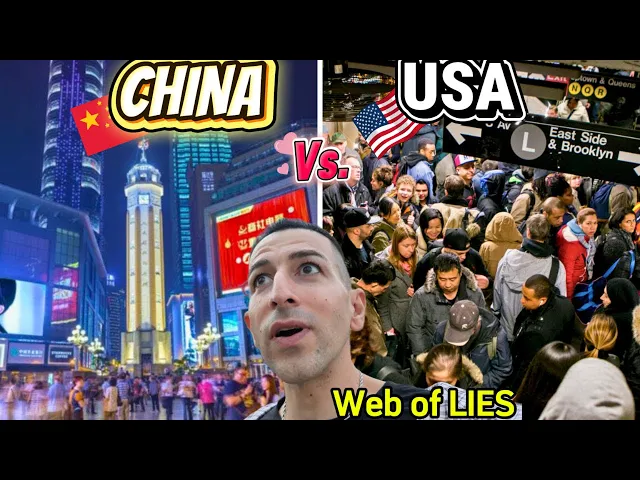
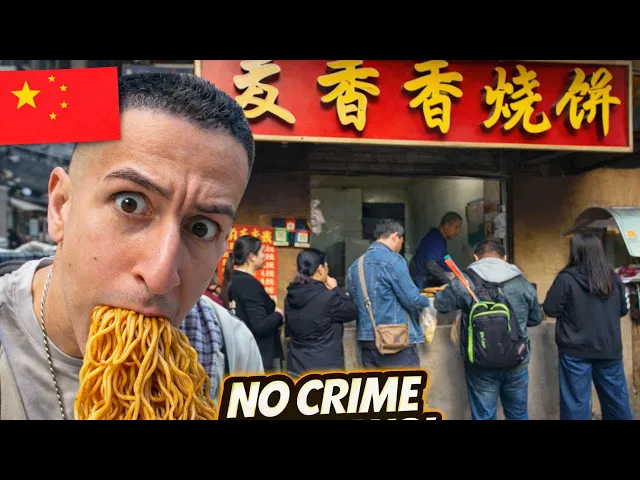
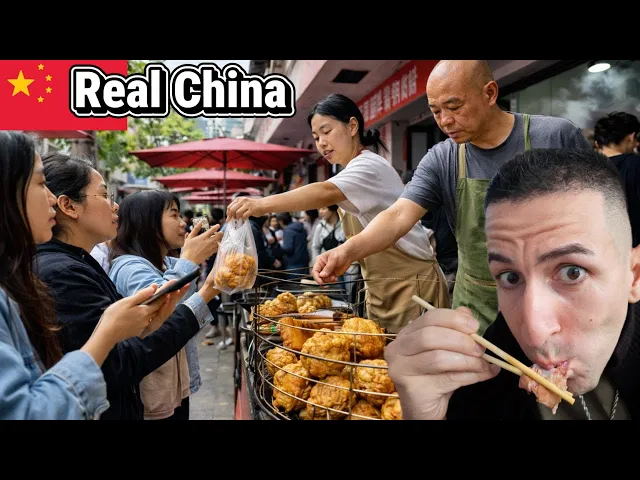
I didn’t expect THIS in Wuhan. I got out of the subway, grabbed a Luckin Coffee… and suddenly I’m in what feels like New York at rush hour. Crowds everywhere, lines forming around random corners, people yelling orders, street food frying nonstop — and I mean NONSTOP. Every time I turned a corner someone was lining up for something else and I had no idea what any of it was.
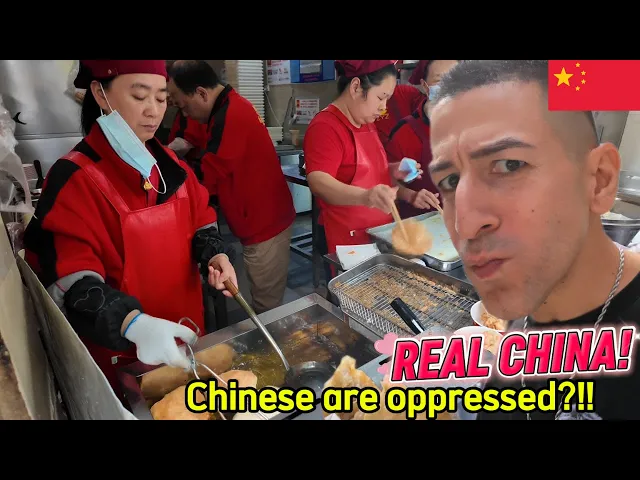
So I followed the lines. That’s where the chaos started 😂 I accidentally waited in the wrong line (twice), almost rage-quit breakfast, got saved by a kind stranger, then bit into one of the best things I’ve ever had: a crispy-donut-meets-Xiao-Mai sandwich that literally crackles when you touch it. Wuhan street food is wild — like every stall is competing for “loudest crunch.”
And just when I thought I was done eating… another line. Then another. Then ANOTHER.
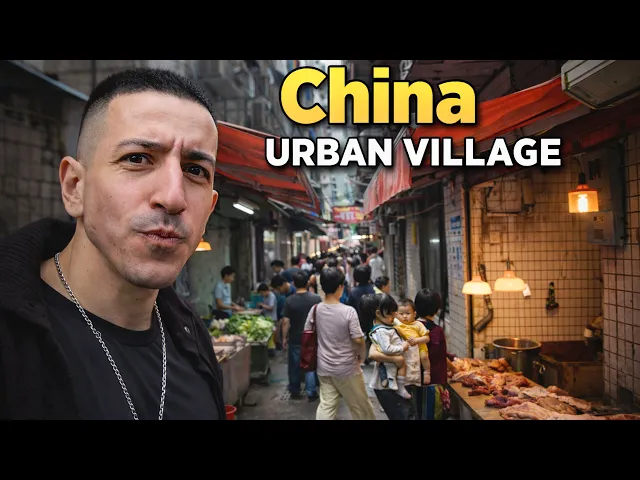
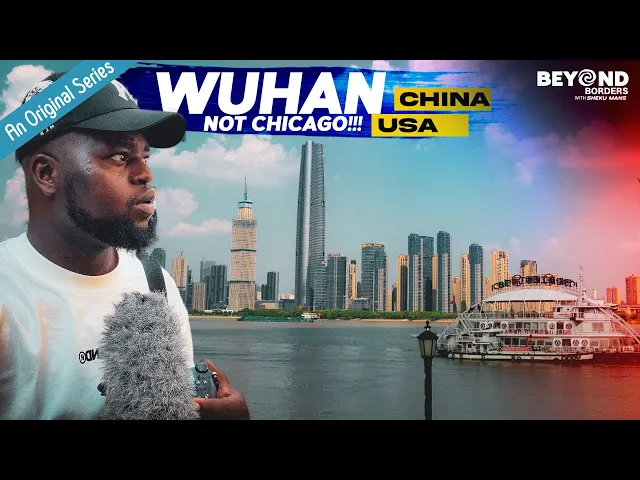
But the craziest part wasn’t even the food. Two steps away from all the modern skyscrapers, I suddenly walk into these insanely narrow alleys where people used to live from the 1920s to the 1980s. It feels like the whole city is split between the future and the past, side by side.
This video basically turned into me chasing flavors, dodging crowds, almost getting run over, learning history by accident, and exploring old Wuhan neighborhoods I didn’t even know still existed. If you like videos that start chill and then slowly spiral into food chaos + unexpected history tours… yeah, you’re gonna enjoy this one.
Discover Wuhan's vibrant street food and hidden history as That Evan Guy explores bustling alleys and culinary delights, revealing a city of surprising contrasts.
Travel Guides & Tips in this video
Prepare to have your perceptions of Wuhan shattered! That Evan Guy dives headfirst into this misunderstood Chinese metropolis, expecting one thing and finding a whirlwind of delicious chaos and hidden history. From the moment he emerges from the subway, Wuhan pulsates with an energy akin to New York City, but with a distinctly Chinese flavor. Get ready for a culinary adventure through bustling streets lined with food stalls, where long queues are the norm and every bite is a potential revelation. He braves the lines, navigates near-disasters, and discovers mind-blowing street food, including a donut-xiaomai sandwich that's pure crispy, savory perfection. But Wuhan isn't just about the food; it's a city where the past and present collide. Wander through narrow, historic alleys that whisper tales of a bygone era, standing in stark contrast to the gleaming modern skyscrapers. This is an unfiltered look at a working-class Chinese city, revealing its true character, its incredible flavors, and its captivating history.
Next travel video:
Wuhan Street Food & Hidden Alleys: Unexpected China Exploration
I didn’t expect THIS in Wuhan.
I got out of the subway, grabbed a Luckin Coffee… and suddenly I’m in what feels like New York at rush hour. Crowds everywhere, lines forming around random corners, people yelling orders, street food frying nonstop — and I mean NONSTOP. Every time I turned a corner...
Wuhan Street Food & Historic Alleys: Uncovering China's Hidden Gems
Embark on an unexpected urban adventure in Wuhan! This video dives into the vibrant chaos of China's working-class city, revealing a side often unseen. From bustling subway exits that rival New York's rush hour to the irresistible allure of street food stalls, prepare for a sensory overload. Discover hidden culinary gems, like a unique crispy donut-Xiao Mai sandwich, and get lost in narrow alleys that whisper tales of the past, juxtaposed against modern skyscrapers. It's a journey of flavors, history, and delightful surprises.
Attractions in this video: Historic Alleys, Old Neighborhoods, Narrow Alleys, Food Streets, Historic Streets
More about the current video:(Published on 2025-12-11)
That Evan Guy's journey into the heart of Wuhan reveals a city of striking contrasts, a place often misrepresented by Western media. From the moment he stepped out of the subway, the energy was palpable, reminiscent of a bustling New York City. The initial impression was one of vibrant, almost overwhelming, activity, with crowds, endless food stalls, and a constant hum of people seeking out the next culinary delight.
The exploration quickly focused on the city's incredible street food scene. The sheer variety and popularity of the food were astonishing, with long lines forming for seemingly simple items. That Evan Guy bravely navigated these queues, even experiencing the frustration of waiting in the wrong line, a testament to his dedication to authentic experiences. The "sandwich of a donut mixed with some Xiaomi" was a standout, described as a crispy, flaky delight with a flavorful, spiced meat filling that earned a near-perfect score. This culinary adventure highlighted the intense competition among food vendors, each striving for the "loudest crunch."
Beyond the immediate sensory overload of the food, the video delves into Wuhan's rich history, juxtaposing modern skyscrapers with incredibly narrow, historic alleys. These old neighborhoods, dating back to the 1920s and inhabited until the 1980s or 90s, offered a glimpse into a past way of life. The contrast between the new, towering apartment buildings and these preserved, albeit sometimes abandoned, living spaces was stark. The narrowness of the alleys underscored a sense of close-knit community, where neighbors knew each other intimately and shared values. This historical exploration provided a deeper understanding of Wuhan, revealing a city that honors its past while embracing the future.
Further culinary discoveries included a 400-year-old snack called Sanjen doi, a layered dish with spiced sticky rice, meat, and mushrooms, offering a fragrant and unique flavor profile. Another highlight was a crispy, thin-crust bread, akin to a "Chinese pizza," topped with chili oil and sugar, though the sugar was noted to be a bit overpowering. The journey also touched upon the surprising accessibility and cleanliness of public restrooms, a point of positive comparison to experiences elsewhere. The video concludes by emphasizing Wuhan's immense size and its thriving street food culture, leaving viewers with a vivid impression of a dynamic city full of unexpected flavors and historical depth.
FAQs (From the traveler's perspective)
Q: What was the donut-xiaomai sandwich like?
A: It was described as a crispy, flaky sandwich of a donut mixed with xiaomai, with a flavorful, spiced meat filling.
Q: What was the Sanjen doi snack like?
A: It's a 400-year-old layered snack with fragrant, spiced sticky rice, meat, and mushrooms, with a soft, chewy exterior.
Q: What was the crispy bread like?
A: It was like a Chinese pizza, a super thin, crispy bread topped with chili oil and sugar, though the sugar was a bit much.
Q: What was the experience like in the old neighborhoods?
A: It felt like stepping back in time, with narrow alleys and old buildings, offering a stark contrast to modern Wuhan and evoking a sense of close-knit community.
Q: How did Wuhan's street food compare to expectations?
A: It was surprisingly vibrant and chaotic, with long lines for popular items, and offered incredibly delicious and unique flavors.