Travel Guides & Tips in this video
- Tip 1Plan to arrive in spring or late spring to avoid peak crowds; buy tickets in advance in peak season. (0:00)
- Tip 2Use viewing stops 2 and 3 for the best color displays; consider weather and crowds when choosing times. (02:35)
- Tip 3UNESCO designation underscores geological significance; combine with Mati Temple for a Silk Road context. (05:05)
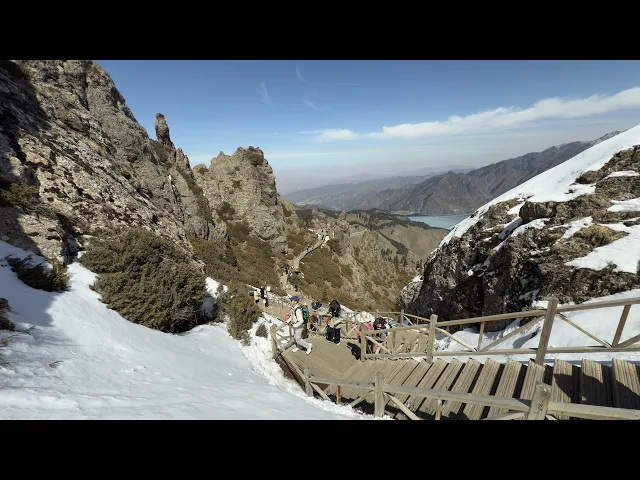
- Tip 4Be prepared for narrow stair climbs at Mati Temple; wear comfortable shoes and bring water, as climbs can be steep. (06:25)
- Tip 5Weather can swing warm to cool; dress in layers and be ready for wind and sun exposure while exploring the ridges. (07:36)
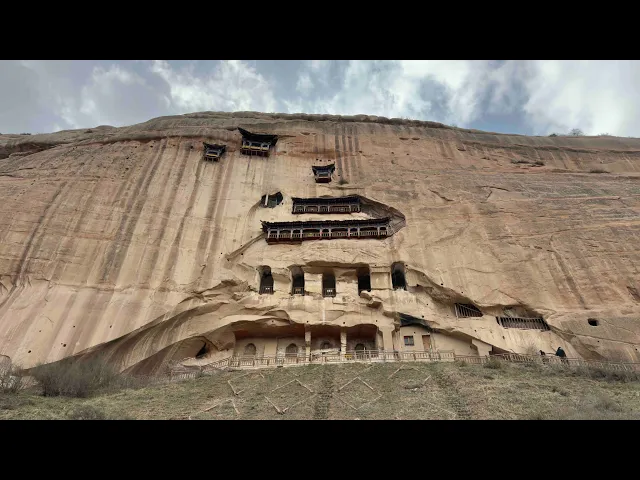
Wilko Wanders takes viewers on a vivid tour of Zhangye Danxia National Geopark in Gansu, a region famous for its rainbow-painted mountains and dramatic geology. He starts at the main viewing platforms, getting up close to the colorful ridges while describing how the layers of red sandstone, iron oxide, chlorite, and calcium carbonate create the reds, yellows, greens, whites, and grays that give the landscape its iconic look. He explains the scenery formed over 24 million years through tectonic uplift and weathering, and notes the interplay of sun and shadow that brings the formations to life. The guide highlights the park’s UNESCO recognition as both a World Heritage site and Geopark, and mentions the possibility of hot air balloon experiences above the panorama. In between viewpoints, Wilko shares cultural context, including a friendly nod to the Silk Road through Mati Temple, a cliffside Buddhist site carved into the mountains more than 1,500 years ago, known as the Horseshoe Temple.
Next travel video: ( 9 / 9 )
More about the current video:( 8 / 9 )

Wilko Wanders explores Zhangye Danxia National Geopark, also called the Rainbow Mountains, in Gansu. He climbs several viewing platforms to appreciate the vibrant bands created by mineral deposits in red sandstone, iron oxide, chlorite, and calcium carbonate, formed over 24 million years and sculpted by wind and rain. He explains how sunlight casts dramatic shadows that enhance the colors and notes a top viewpoint that supposedly offers the best color display. The video mentions the park’s UNESCO World Heritage and Geopark status, and hints at hot air balloon rides over the landscape. The journey then shifts to Mati Temple, the Horseshoe Temple, carved into caves along the Kuian Mountains as a Silk Road Buddhist site from over 1,500 years ago. Wilko climbs through narrow passages and stairs to reach temple caves and grottos, marveling at the human effort and history carved into stone. He recalls a local noodle shop backdrop from a famous Chinese film that boosted tourism, and reflects on how scenery and culture together fuel the area’s appeal. The piece closes with practical notes on visiting, the possibility of peak-season crowds, and a reminder to prepare for varying weather as the day shifts from warm to cool. Wilko signs off, inviting viewers to follow the Silk Road adventure further on his channel.