Travel Guides & Tips in this video
- Tip 1Arrive early to see the market waking up and observe the setup before the crowd arrives; you’ll notice the layering of stalls and the first negotiations. (00:52)
- Tip 2Watch how buyers and sellers use intermediaries to negotiate; note the cash and digital payments as forms of settlement. (05:06)
- Tip 3Stay clear of working pens and observe animal handling from a safe distance; use a neutral stance to understand the stress and livelihoods involved. (09:38)
- Tip 4Explore the edible side: fresh breads, pomegranate juice, and simple meals; you can taste the local flavors while absorbing the market’s atmosphere. (12:14)
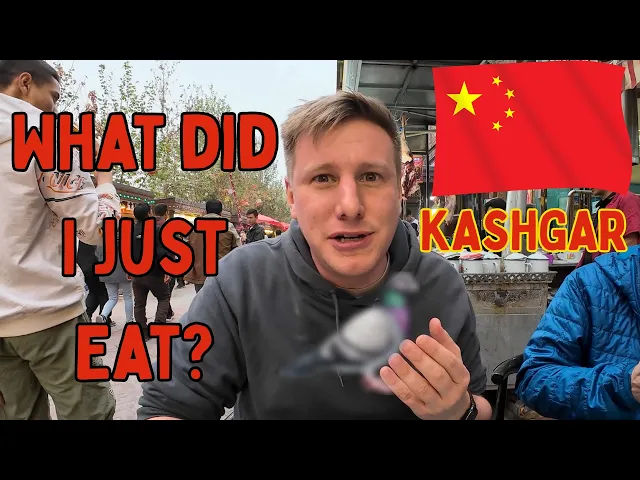
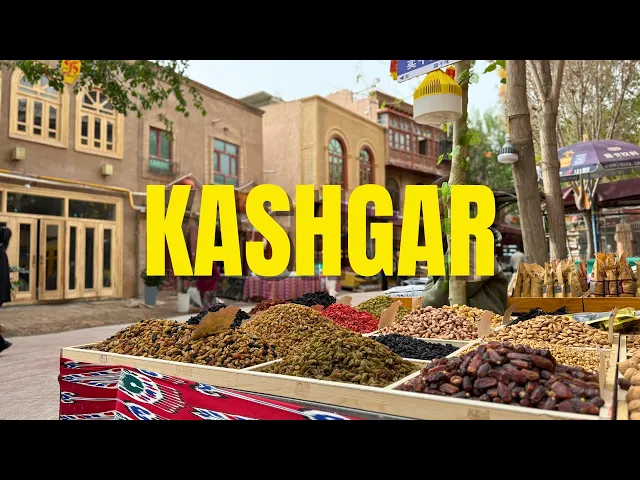
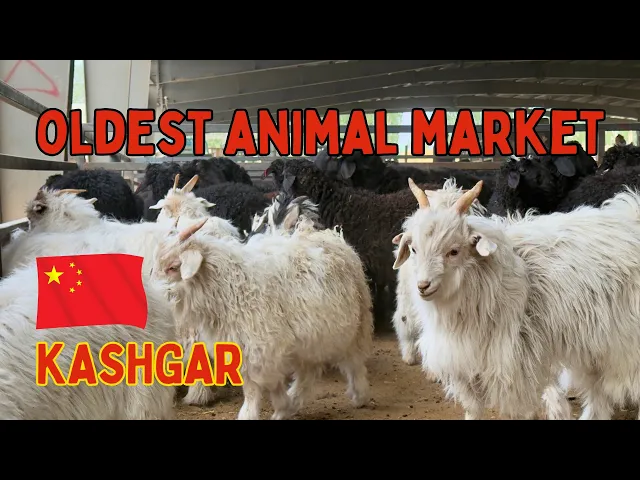
Wilko Wanders takes us to Kashgar’s legendary Sunday Animal Market, a living bridge between ancient Silk Road commerce and today’s vibrant trading culture. He frames the market as a place where 2,000 years of trade history meet modern barter, with families from across Central Asia bringing cows, goats, and sheep to trade for goods, food, and services. The sensory feast unfolds as stalls overflow with hats, scarves, dried fruits, nuts, and sugar crystals, while the animal pens begin to fill and the air fills with agitated bleats and bargaining shouts. Wilko narrates the regional influences that shape the bazaar, from Middle Eastern-style dried fruits to products reflecting Xinjiang’s proximity to Kazakhstan, Tajikistan, Afghanistan, and Pakistan, underscoring how geography molds culture and commerce. The market is not just about buying and selling livestock; it’s a social hub where people negotiate through intermediaries, measure weight and value, and navigate the logistics of moving a
Next travel video: ( 11 / 16 )
More about the current video:( 10 / 16 )

Wilko Wanders travels to Kashgar's Sunday Bazaar, a living link to the Silk Road where livestock trade, street food, and cross-cultural exchanges unfold in real time. The market hums with activity as traders, farmers, and buyers converge early in the day; cows, sheep, and goats are herded to pens, weighed, and negotiated through local intermediaries. Wilko notes the strong regional influences—sun-dried fruits, nuts, apricots, and even Middle Eastern style sweets—that reflect Xinjiang's geographic reach toward five neighboring countries. He observes the human side of the market: the careful checks on animals for sale, the careful attention to the back and neck when assessing a beast's strength, and the way deals are settled often in cash or via digital payments. The scene is noisy, crowded, and emotionally charged, with animals stressed by proximity and haste, yet above all it reveals a livelihoods-based culture that has endured through centuries. Wilko reflects on how surprising and human-scale a traditional livestock market can feel in a modern world, recognizing the market's role in sustaining families who rear animals for a living. This is a quiet glimpse into the heart of Silk Road trading life, where commerce and culture intimately collide.