Viewer discretion is advised. This content is about the risks of purchasing luxury watches on the secondary market and the existence of high-quality counterfeits. It aims to raise awareness and promote due diligence with reputable sources. The video does not endorse or promote counterfeit goods. Produced by Spanian Media.
A roaming Spanian video in Guangzhou peels back the stagecraft of the worlds counterfeit capital, chasing the line between perfect fakes and reality as watches,
Travel Guides & Tips in this video
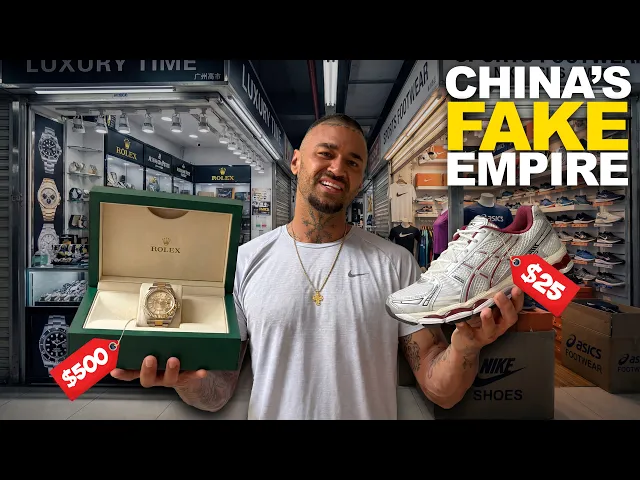
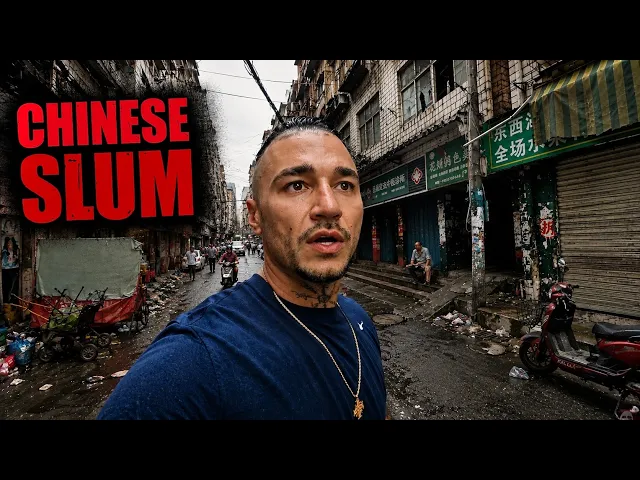
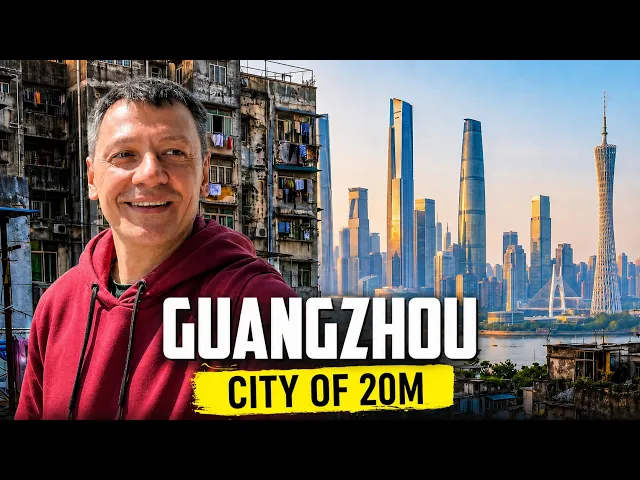
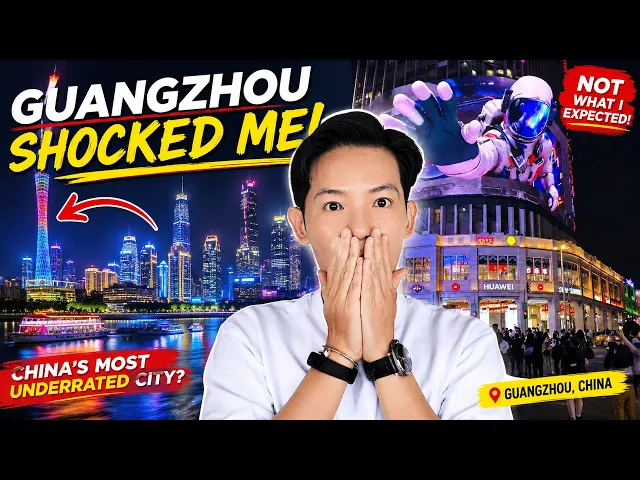
Spanian’s expedition into Guangzhou’s counterfeit markets unfolds as a tense, eye opening journey through the heart of what locals call the worlds center for fake goods. The vlog opens with a gritty curiosity about sky diamonds and the whisper of undetectable super clones, especially in the watch world. The crew navigates the Kimbo and Guanjo market area, chasing rumors of AAA and “undetectable” copies that even seasoned professionals could not distinguish from the real thing without opening the movement. Spanian, Colin from C3 the Hollywood Life, and a local guide explore multi story basements packed with counterfeit luxury watches, designer bags, sneakers, jewelry, and a sprawling ecosystem of resellers who operate with a chilling, transactional efficiency. The mood toggles between awe at the craftsmanship and unease at the ethical and legal gray zones. The value proposition is blunt: pay far less for a lookalike that’s almost identical, invest in the story of a market that draws a全球
Next travel video:
55 min
2026
Inside China's Counterfeit Capital: Risks of Buying Luxury F
Viewer discretion is advised. This content is created in full compliance with YouTube’s Terms of Service and is intended for educational and informational purposes only.
I do not endorse, promote, or encourage the purchase, sale, or production of counterfeit goods in any form. The purpose of this...
counterfeit capital of china: inside guangzhous markets for watches, f
Spanian takes viewers on a provocative tour into what is popularly known as the counterfeit capital of the world, exploring the realities, risks, and ethics surrounding counterfeit luxury goods in China. The video centers on the dangers of buying replica watches and other high-end items on the secondary market, while clearly distinguishing the creator’s stance against production, sale, or endorsement of counterfeit goods. Through a travel vlog lens, Spanian combines street-level observations with cautionary commentary, aiming to raise awareness about scams, quality discrepancies, and the potential consequences of engaging in counterfeit markets. The content is educational in intent, urging due diligence and the use of reputable, verified sources for any purchases. The overall tone balances curiosity with responsibility, inviting viewers to learn from firsthand experiences without glamorizing illegal activity. Produced by Spanian Media, the video contextualizes the subject within urban,
Attractions in this video: Kimbo Market, Guanjo Counterfeit Market, Guangzhou Fake Market
More about the current video:(Published on 2026-02-15)
Spanian travels through Guangzhou’s Kimbo and Guanjo counterfeit markets with a Canadian friend named Colin who runs a watch-focused YouTube channel. They chase rumors of AAA super clones, including Rolex Sky Dweller copies with near perfect movements and finishes. They compare lower, mid, and high end fakes, noting how some watches feel heavy, have smooth movements, and can fool even careful buyers. They linger on the social and legal gray areas, discussing why many foreigners and Africans or Middle Eastern buyers frequent these markets for bulk purchases. The team notes the local price spectrum, the prevalence of QR code ordering, and the sheer scale of the market complex that spans basements to upper floors. They observe fashion, sneakers, and furniture markets, highlighting how skilled counterfeiters can mimic materials, stitching, and even the feel of leather. Throughout, Spanian and Colin discuss authenticity, supply chains, and the social dynamics that keep the markets alive, including the importance of knowing sources and the risk of getting ripped off. The day ends with reflections on value, ethics, and the unsettling reality that in Made in China, “fake” can feel almost indistinguishable from “real,” especially for those who chase status symbols. Spanian muses on the broader implications of counterfeit culture for consumers, brands, and economies, while appreciating the eye-opening experience that Guangzhou’s market ecosystem provides. The journey raises questions about what we define as value and how to navigate a world where authenticity is increasingly ambiguous. Spanian and Colin wrap by acknowledging the danger and marvel of the culture and the undeniable skill that goes into creating near perfect imitations, while warning viewers to approach with due diligence and skepticism where purchases of luxury goods are concerned.
FAQs (From the traveler's perspective)
Q: Are these watches truly undetectable by professionals?
A: The market claims some watches are nearly undetectable, but an expert can often tell with detailed inspection, movement analysis, and provenance.
Q: Is it safe to buy luxury goods in these markets?
A: There are significant risks including scams, counterfeit quality, and legal concerns; due diligence and reputable sourcing are essential.