Travel Guides & Tips in this video
- Tip 1Plan your trip in winter to Mohe-Beihongcun and expect extreme cold; bring layered thermal wear and windproof gear. (0:00)
- Tip 2When dining in Beihongcun, embrace local farming rhythms: expect simple, intensely flavored dishes cooked in shared stoves. (05:45)
- Tip 3Visit a local mud house kitchen to see huokang heating in action; ask residents about the stove and its role in winter meals. (15:20)
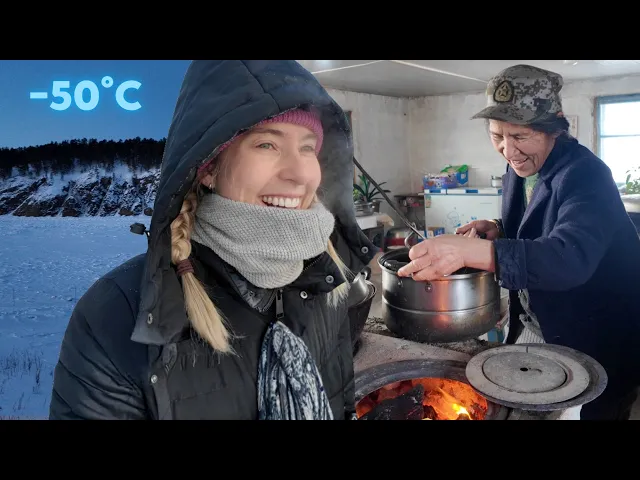
Blondie in China travels to the far north to Beihongcun, a tiny village of about 300 people perched on the border with Russia, where life is shaped by brutal winters and a stubborn, intimate community rhythm. The episode kicks off with a bold claim: this is China’s most northern food adventure, from a farm to table Dongbei meal to a copper hot pot that somehow connects to centuries of practical cooking in a freezing climate. Blondie, paired with Shanshan, steps into a world where the landscape is as extreme as the social pulse—elderly locals, a handful of young tourists, mud houses, floor heating built around a central stove, and a heating system that doubles as a cooking and warming core of the home. The duo samples a local hot pot, savoring a unique broth with dried shrimp and sauerkraut, a playful nod to border culture and practicality. They also stay in a newer house with water heated beds and learn about the traditional huokang system, where warmth travels from the stove into the寝
More about the current video:( 50 / 50 )

Blondie travels to Beihongcun, the northernmost inhabited village near Russia, to explore life in extreme cold and the rhythms of a tiny, aging population that hosts curious visitors. She and Shanshan navigate the village’s minsu lodgings, mud-walled houses, and the heat-centric Dongbei stove culture that keeps homes warm while cooking. They try China’s most northern restaurant, a copper hot pot with dried shrimp and sauerkraut, and learn the legend of the copper pot used during Kublai Khan’s era. The day ends with Blondie tasting a stewed chicken and mushroom dish cooked in a floor-heated mud house, featuring an egg from inside the hen and an oviduct egg, a memory that leaves her fascinated with the region’s farm-to-table authenticity. The journey continues with a visit to a Russia-facing bakery, a traditional lieba flower fermentation method used as natural yeast, and a village bar that resembles a church, where Blondie sings a KTV song as night lights reveal the northern chill and the locals’ warm hospitality. Blondie is reminded that Beihongcun is a land of contrasts: the enduring, practical resilience of residents and the growing influx of young tourists drawn to its stark beauty and rustic flavors. Blondie signs off with thanks and a promise to return, leaving with a richer sense of what daily life in China’s coldest village truly feels like and tastes like.
FAQs (From the traveler's perspective)
- Q: What makes Beihongcun unique for travelers?
- A: A tiny, authentic village on the Russian border where daily life revolves around extreme cold, traditional heating, local bakeries, and surprisingly warm hospitality.