Travel Guides & Tips in this video
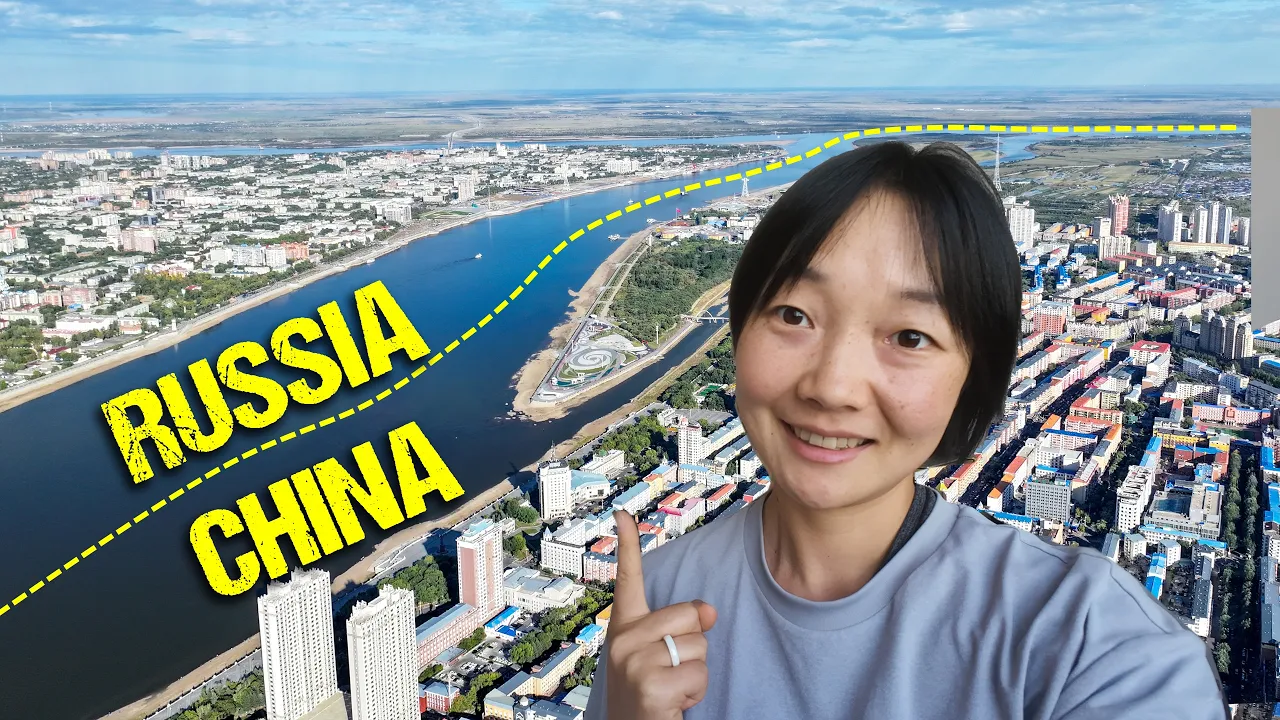
Little Chinese Everywhere begins in Vladivostok with a North Korean restaurant visit, then takes a 27-hour Trans-Siberian train to Blagoveshchensk. She meets Russian passengers, travels in a basic third-class sleeper and visits a market, where a Tajik shopkeeper offers fruit and conversation. The route crosses the Amur, also called the Heilongjiang, to Heihe, where she explores the morning market and local food before continuing toward Mohe. The account also covers practical choices on the route: a sleeper class that fits the budget, local markets and seasonal border crossing. In winter, the river may freeze and a bridge may be accessible instead of a ferry. The trip ends in Heihe with local food and produce before she continues north to Mohe.
Next travel video:

More about the current video:()

From Vladivostok onto the Trans-Siberian Railway
Little Chinese Everywhere starts in Vladivostok with a friend and a visit to a North Korean restaurant. The waitress is initially reluctant to serve them because the friend sounds South Korean. They are eventually able to eat, and the traveler enjoys the tender beef and other dishes. The encounter is one of the unusual parts of the route, and she advises visitors to be aware of restaurant rules and filming restrictions.
She then boards the Trans-Siberian Railway for a 27-hour journey to Blagoveshchensk. She travels in a third-class sleeper, a less private and comfortable but economical option. The carriage is hot, and the air conditioning does not work well. Amenities are basic, though generally maintained, and the dining options are limited. She talks with Russian passengers and shares observations about life on the train. Their interactions are friendly even when language is a barrier.
Blagoveshchensk and the border crossing
In Blagoveshchensk she visits a local market and talks with vendors. A shopkeeper from Tajikistan gives her fruit and chats with her using Google Translate, a memorable moment of hospitality. The route then crosses the Amur River, also known as Heilongjiang, to Heihe in China. In winter, when the river freezes, a bridge may be available as an alternative to the ferry.
In Heihe, she sees an affordable place to stay and eat, compares the atmosphere with Russia and visits the morning market. Local produce and food stalls show daily life in the border city. She samples local dishes and speaks with vendors, then announces Mohe as her next destination, the northernmost point in China. The trip contrasts two neighboring countries through train travel, markets, meals and border crossing. Practical details include following restaurant rules, choosing a sleeper class that fits a budget, and knowing that crossing options can vary by season.
At the North Korean restaurant, her friend is initially treated with hesitation because the waitress thinks the accent sounds South Korean. The visitors stay for the meal, and the tender beef and other food make the stop worthwhile. She notes that restaurant rules and entry limits can vary, so travelers need to respect local requirements. Later, the Trans-Siberian ride offers a different kind of encounter: a basic third-class sleeper with little privacy, limited dining and warm air, but also opportunities to talk with Russian passengers.
When she reaches Blagoveshchensk, she visits a market and speaks with vendors. The Tajik shopkeeper's offer of fruit and conversation becomes a moment of human connection, facilitated with Google Translate. She then crosses the Amur, or Heilongjiang, River into Heihe. The border crossing is described as straightforward. The city gives her a chance to compare daily life in Russia and China, including the feel of public spaces, the affordability of food and lodging, and the produce at the morning market. She tries local dishes, speaks with sellers and announces a further journey to Mohe, China's northernmost point. The trip covers a restaurant, long-distance train, market visits and a seasonal river border crossing.
FAQs (From the traveler's perspective)
- Q: What was the North Korean restaurant visit like?
- A: The waitress was initially reluctant because the traveler’s friend sounded South Korean, but they were served. The traveler enjoyed the tender beef and other food.
- Q: How was the Trans-Siberian sleeper?
- A: The 27-hour third-class sleeper was basic and hot, with weak air conditioning. The traveler met interesting passengers during the ride.
- Q: What was memorable in Blagoveshchensk?
- A: A Tajik shopkeeper in Blagoveshchensk gave her fruit and chatted with her despite their language difference. They used Google Translate to communicate, and his kindness made the encounter one of her most memorable moments.