Travel Guides & Tips in this video
- Tip 1Expect cultural differences; don’t expect sameness, learn local etiquette and values when engaging with locals. (01:40)
- Tip 2Practice Chinese in daily life; compliments come often early, but genuine feedback comes with real conversation. (03:45)
- Tip 3Explore Shanghai’s center for global vibes, then venture to outskirts to see residential life and more local scenes. (13:30)
- Tip 4Use citywalk format to discover the city with friends; leverage local social media formats to connect. (21:40)
- Tip 5Consider how to monetize social media while maintaining authenticity; work with MCNs and platforms for better reach. (28:50)
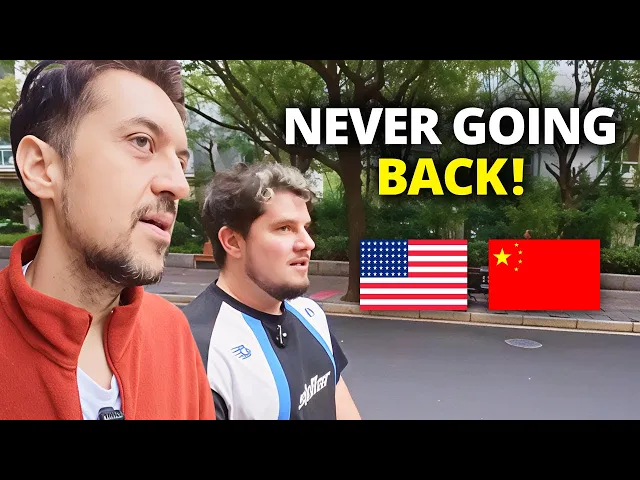
Max Chernov visits Shanghai to interview Paul Ashton, an American who has lived in China for eight years and became famous for the city not city meme. The conversation ranges from cultural contrasts between the US and China, perceptions of foreigners, and the dynamic changes of Shanghai as a global city. Paul explains how Shanghai’s mix of international exposure and local warmth shaped his decision to stay in China, how Chinese people react to foreigners, and how living in China shifted his view of the US. He shares personal anecdotes about speaking Chinese, receiving compliments on language, and the humorous realities of cultural exchange, including a funny elevator moment in Beijing and the unexpected spread of his city meme. The chat delves into surveillance perceptions, daily life in Shanghai, infrastructure, and the fast pace of Chinese urban development. Paul reflects on generational differences, American cultural narratives, and the value of cultural relativism gained from years
More about the current video:( 14 / 14 )

Max Chernov travels to meet Paul Ashton, an American who has lived in China for eight years and became famous for the city not city meme. Paul explains why he chose Shanghai, how locals respond to foreigners, and how life in China altered his view of the United States. He reflects on cultural differences, education, independence, and how Chinese society balances individuality and community. The pair discuss language learning, reactions on the street, and the gratifications of bridging cultures. They share funny moments from everyday public life, such as a child mislabeling a foreigner and an elevator moment in Beijing, underscoring the surprising warmth and curiosity people show toward foreigners. The discussion touches on surveillance, urban development, and the rapid changes in Shanghai versus other Chinese cities, while also considering personal safety, lifestyle, and the evolving relationship between China and the United States in a global context. Max highlights the meme’s rise, its spread across Chinese social media, and how international audiences perceive China beyond headlines. Throughout, Paul emphasizes empathy, cultural relativism, and the desire to present nuanced perspectives on China in a landscape often dominated by simplistic narratives. Max, in his role as host and observer, guides the conversation with curiosity about personal experiences, language, and the social fabric of Shanghai, while also exploring the tension between national narratives and individual stories.