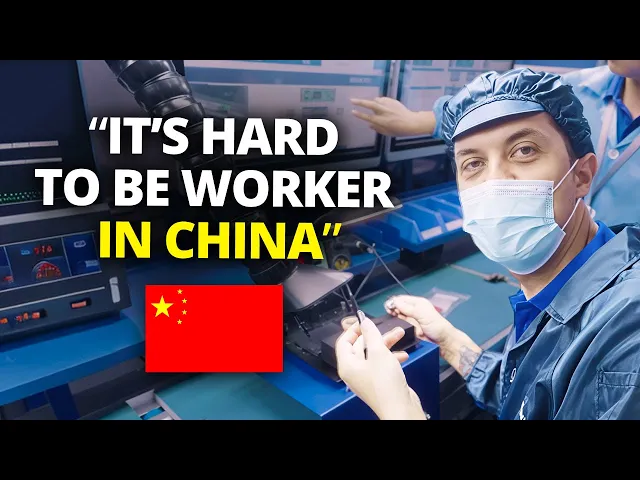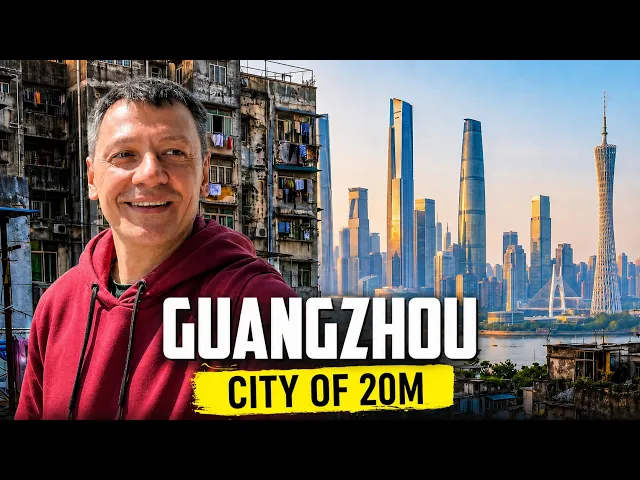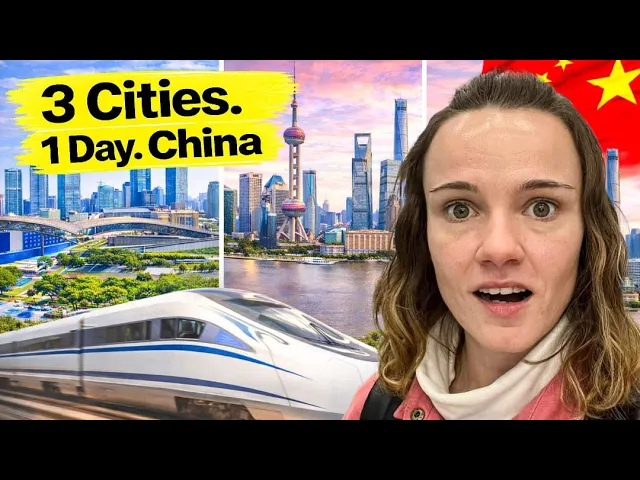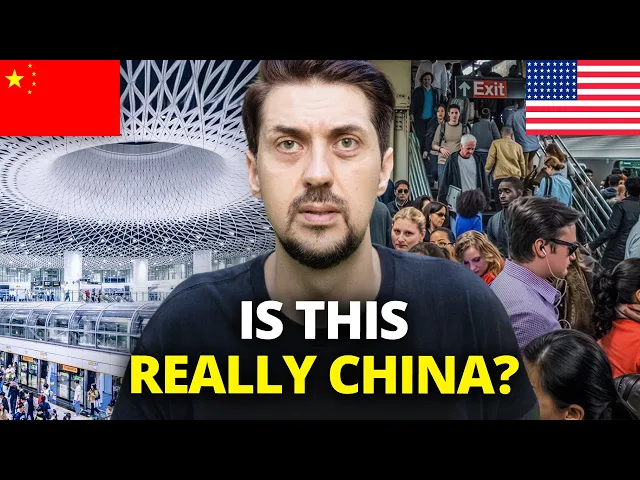
This video takes viewers on an exhilarating journey through Shenzhen, a city often hailed as the most advanced and high-tech in the world, challenging perceptions of Western technological superiority. Max Chernov, the traveler, explores this futuristic metropolis with the help of expatriates and locals, diving deep into its innovative spirit.
The exploration kicks off with a visit to Hudo Robotics, a leading company founded in 2016, showcasing robots designed for hotel deliveries and even manipulating elevators. The strength and dexterity of these machines are put to the test, highlighting China's prowess in robotics manufacturing, with the surprising revelation that many Western countries reportedly rely on China for such technology.
Further into the city, Max encounters delivery robots navigating the streets, a common sight that still feels like science fiction to many. He meets Josh, an MIT graduate and former Apple engineer, who provides insights into the seamless integration of technology into daily life. Josh explains how delivery robots interact with buildings and elevators, a concept he believes might face cultural hurdles in the US due to differing personal space norms.
The journey continues with a ride on Shenzhen's metro system, featuring unique aspects like temperature-controlled cars and a surprisingly Apple Store-esque pathway to the business class coach. The ease of payment via WeChat and the advanced features of the metro highlight the city's digital integration. A significant portion of the video is dedicated to experiencing a driverless car. Max expresses awe at the technology, noting its smooth operation, safety features, and the comfort it provides, even if it's slower than traditional taxis. The discussion touches upon the societal impact of such advancements and the government's long-term vision for AI integration.
Beyond transportation, Shenzhen's commitment to sustainability and green living is showcased, with numerous parks and green spaces despite its high-tech image. The video also delves into the manufacturing capabilities of China, with statistics on the global supply chain for electronics, solar panels, and EV batteries, emphasizing Guangdong Province's critical role.
A unique experience involves ordering coffee from a robot on the street, demonstrating the widespread use of automation. Later, a drone delivery of coffee highlights another layer of Shenzhen's innovative services. The narrative also touches upon the political system's role in enabling China's rapid technological development, contrasting it with Western approaches.
The exploration extends to the automotive industry, with a look at advanced electric vehicles. A test drive of a Nissan model reveals luxury features, advanced technology like a fridge and heating compartment within the car, and a surprisingly affordable price point compared to Western counterparts. The car's self-driving capabilities, including parking itself, are a testament to the city's technological integration.
Max also experiences the rapid pace of construction and urban development in Shenzhen, with new apartment buildings rising quickly. He notes the prevalence of facial recognition for building access and the ubiquitous use of smart bikes controlled via smartphone apps. The video emphasizes that what appears futuristic to the rest of the world is simply daily life in Shenzhen.
Finally, the video ascends to a high point in the city, showcasing a breathtaking view and the fastest elevator, further underscoring Shenzhen's vertical development and ambition. The narrative concludes with reflections on the human ingenuity and collaborative effort behind Shenzhen's transformation from a small fishing village into a global tech hub, positioning China as a leader in shaping the future.
FAQs (From the traveler's perspective)
- Q: Are robots in China strong enough to potentially harm someone?
- A: Yes, the robots demonstrated have significant strength, with one suggesting it could possibly break an arm.
- Q: Do Americans buy robots from China?
- A: Reports suggest that American companies need to buy robots from China, implying a lack of domestic production.
- Q: Would delivery robots work in America?
- A: It's questioned whether they would work in America due to cultural differences in personal space and acceptance of automation.
- Q: What is the advantage of China's manufacturing?
- A: China has an advantage due to starting late and building with the latest infrastructure, leading in global manufacturing for electronics, EVs, and more.
- Q: How does payment work in China?
- A: Digital payments like WeChat are dominant; physical cash is rarely seen except for specific traditions like red envelopes during holidays.
- Q: What is the experience like in a driverless car?
- A: It's a smooth, calm, and stable ride, offering a sense of safety due to its cautious driving and advanced sensors.
- Q: Are Chinese electric cars competitive?
- A: Yes, Chinese EVs offer luxury features, advanced technology, and excellent service at prices significantly lower than comparable Western models.
- Q: What makes Shenzhen so advanced?
- A: Shenzhen has rapidly transformed into a tech hub with advanced robotics, autonomous vehicles, efficient public transport, and widespread digital integration.
- Q: What is the speed of Shenzhen's high-speed trains?
- A: High-speed trains can travel 130 km in just 29 minutes, offering a faster and smoother experience than planes or cars.
- Q: What is unique about Shenzhen's hotels?
- A: Hotels often feature advanced technology like facial recognition for entry and smart room controls, with surprisingly affordable rates.