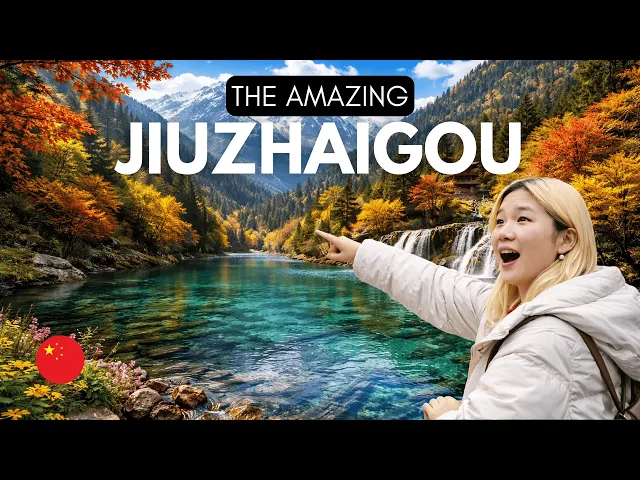
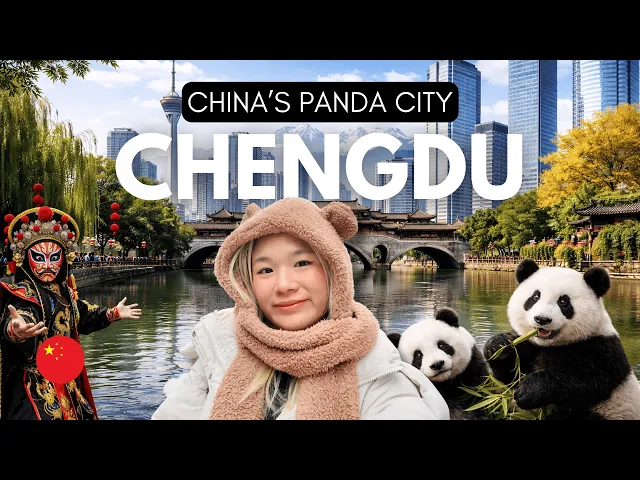
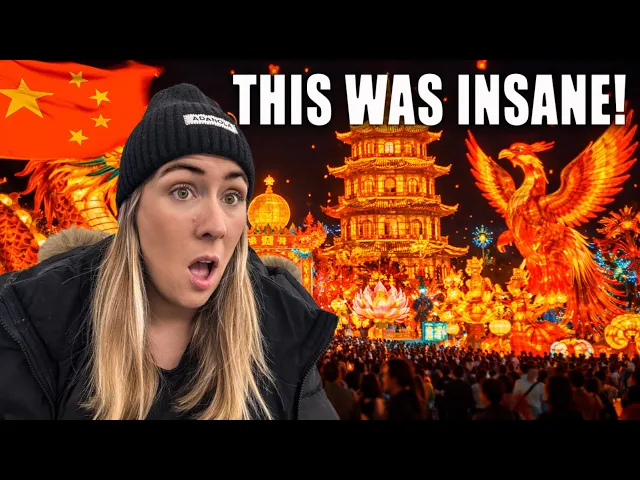
Hey! This channel bridges the gap between locals and foreigners all over the world. Join Max as he interviews expats, unraveling their unique stories and providing valuable insights into their lives in the vibrant places of Asia. Through engaging conversations, Max fosters understanding and appreciation between locals and the global community, focusing on cultural exchange. This is a travel video about China. We explore the bustling streets of Chengdu, wander through the ancient city walls of Xi'an, and marvel at the breathtaking scenery of Zhangjiajie National Forest Park. We'll also experience the unique charm of Lijiang's old town and cruise along the Li River in Guilin, taking in the karst landscapes. The journey continues to the picturesque West Lake in Hangzhou and the classical gardens of Suzhou. Finally, we'll experience the dynamic energy of Beijing and Shanghai, with a brief stop in Qingdao. Join me on this incredible adventure across China!
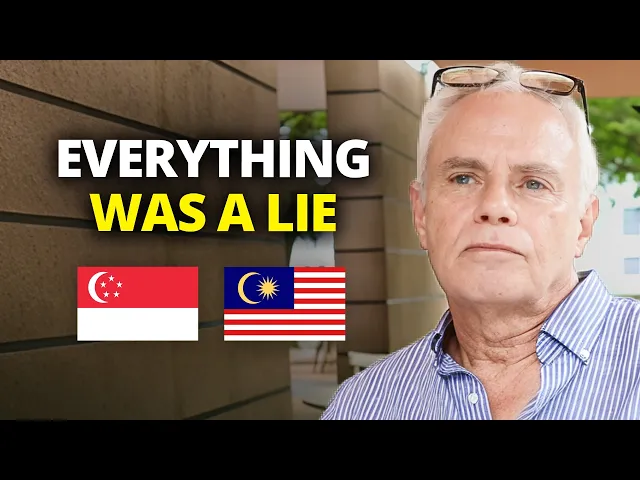
An expat shares a brutally honest view on Malaysia vs. Singapore, discussing cultural differences, safety, and societal contracts after decades of living in both.
Travel Guides & Tips in this video
Join us as we uncover the honest realities of living in Malaysia and Singapore through the eyes of an expat who has called both home. Discover how perceptions of Malaysia have shifted and explore the surprising differences in daily life, from safety and efficiency to cultural nuances. This insightful conversation touches on the evolution of Kuala Lumpur and the unique social contract that shapes Singaporean society. We also delve into personal reflections on career changes, aging, and the profound meaning of life, all delivered with refreshing candor.
Next travel video:
China Travelogue: Chengdu, Xi'an, Zhangjiajie, Guilin & More
Meet Andrew, a Brit who first moved to Malaysia in 1988 to work in finance and later started a theater in Kuala Lumpur. After living in Malaysia for 15 years, he moved to Singapore in 2003 to become a TV presenter. Andrew shared the biggest shocks foreigners face when moving from Malaysia to...
Malaysia vs Singapore: An Expat's Honest View on Life and Culture
Embark on a journey through China's captivating landscapes and vibrant culture with this travelogue. Discover hidden gems and iconic landmarks, experiencing the country through the eyes of an intrepid explorer. From bustling cityscapes to serene natural wonders, this video offers a personal and authentic glimpse into the heart of China. Get ready to be inspired and informed by this immersive adventure.
More about the current video:(Published on 2025-08-25)
This video delves into the nuanced differences and surprising similarities between living in Malaysia and Singapore, as shared by an expat who has experienced both. The narrative highlights how Western perceptions of Malaysia have evolved, moving from an unknown entity to a popular tourist destination, though misconceptions can still persist. Andrew, who moved to Malaysia in 1988 and later to Singapore in 2003, offers a candid perspective on the expatriate experience. He notes that while Malaysia offers incredible natural beauty and a rich cultural tapestry, it also presented challenges, including safety concerns and a less efficient infrastructure compared to Singapore. The discussion touches upon the evolution of Kuala Lumpur from a city with few high-rises to a modern metropolis, a transformation Andrew witnessed firsthand. He contrasts this with Singapore, describing it as a place where efficiency and organization are paramount, providing a sense of safety and ease that was a welcome relief after his experiences in Malaysia. The conversation also explores cultural differences, particularly regarding humor and political satire, with Andrew observing that Malaysia's political climate was more sensitive than the UK's, where he grew up. He suggests that Singapore's success lies in its strong social contract between the government and its citizens, focusing on providing safety, infrastructure, education, healthcare, and prosperity. This contract, he believes, fosters trust and stability, which has been lacking in Malaysia due to political instability and corruption. The video also touches upon the rising cost of housing in Singapore, even within the subsidized HDB system, as a potential future concern. Andrew reflects on his personal growth over two decades in Singapore, emphasizing the drive and hard work instilled by the environment, which allowed him to pivot careers and focus on his professional goals without the same pressures he might have faced elsewhere. He ultimately considers Singapore his home after 20 years. The latter part of the video shifts to a more philosophical tone, with Andrew discussing his views on the UK's political division and the impact of Brexit, while also reflecting on aging, the importance of staying active, and finding meaning in life. His core philosophy revolves around kindness, empathy, and not judging others by one's own standards, a principle he strives to live by despite acknowledging its difficulty.
FAQs (From the traveler's perspective)
Q: What are the biggest shocks foreigners face when moving from Malaysia to Singapore?
A: The biggest shocks often relate to the differences in efficiency, organization, and safety. Singapore is perceived as highly organized and safe, which can be a significant relief after experiencing issues like break-ins in Malaysia.
Q: Are Malaysians or Singaporeans friendlier?
A: This is subjective, but the perception shared is that Malaysians might be perceived as friendlier in a more laid-back way, while Singaporeans are focused on efficiency and adhering to the social contract. Both countries offer unique social dynamics.
Q: What are common misconceptions about Malaysia?
A: A common misconception is that Malaysia is boring or lacks things to do compared to places like Thailand. This is untrue; Malaysia is a beautiful country with abundant natural resources and diverse activities for those willing to explore.
Q: How has Kuala Lumpur changed over the years?
A: Kuala Lumpur has transformed dramatically. From a landscape with few high-rise buildings and a racecourse visible from hotel rooms, it has become a modern metropolis, with areas like KLCC now occupying spaces that were once green fields.
Q: Does Singapore have 'soul'?
A: While some criticize Singapore for lacking 'soul' and being too focused on money, this is considered a simplistic view. The 'social contract' in Singapore, where citizens trust the government for provision in exchange for adherence to societal norms, shapes its unique culture.
Q: What is the most important piece of life advice?
A: The most crucial advice is to be kind, empathetic, and to not judge others by your own standards. Understanding different perspectives and values is key to a more harmonious life.