Exploring a Traditional Chinese Medicine Hospital in Rongchɑ
I Went to a Chinese Medicine Hospital in China… You Won’t Believe This!
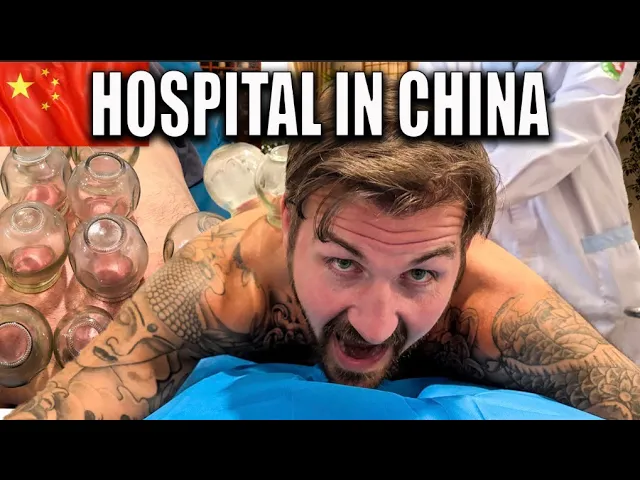
I travelled to Rongchang in Chongqing to see a Traditional Chinese Medicine hospital up close and to ask simple questions about how doctors diagnose and treat patients using methods that have been part of Chinese culture for over two thousand years. The doctors demonstrated herbal prescriptions and traditional diagnostic techniques, and I shared my genuine reactions, curiosity, and some skepticism along the way. This visit made me rethink how different medical systems approach healing, patient care, and how foreigners should interpret these ancient practices within a modern world. The video invites viewers to consider cultural context, the longevity of TCM, and whether its methods can coexist with Western medicine. It ends with a respectful reflection on whether this is the future or the past of medicine, and it leaves the audience with questions to ponder about the value and limits of traditional healing. The tone remains curious and open, pairing personal response with observational storytelling, as we navigate a hospital that feels worlds apart from what many viewers might expect.
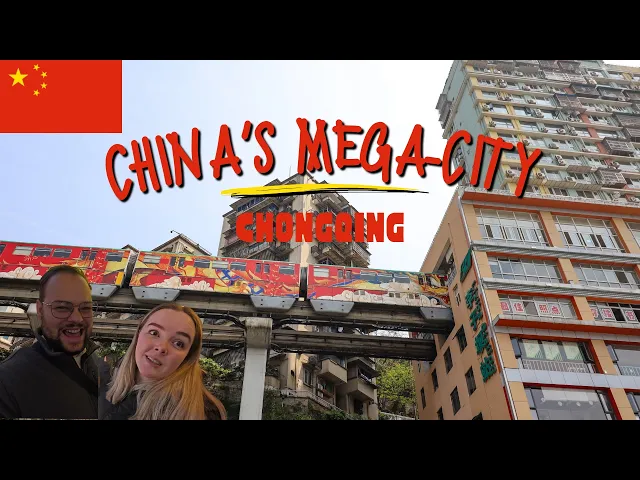
If you’re new here, we’re Reanne and Ben, a couple from Portsmouth who sold everything to travel full-time. Your comments and encouragement help us keep exploring and sharing these unique experiences from around the world. Thanks for watching and for being part of our journey.
Happy Chinese New Year from Rongchang, and thanks for tagging along on this unexpected medical journey.
Location: Rongchang, China. February 2026. Video journey number 583.
We’d love to hear from you in the comments about what surprised you most and how you would react to traditional medicine in a foreign setting.
--- On Tour With Dridgers #OTWD
February 19, 2026, Winter in China