Travel Guides & Tips in this video
- Tip 1Question the feasibility of mega projects and look for how local geography shapes engineering decisions. (0:00)
- Tip 2Consider the tradeoffs between safety, weather, and tourism when building such structures in remote canyons. (04:03)
- Tip 3Plan logistics around access, transport downtimes, and viewing platforms for best photos and experiences. (09:43)
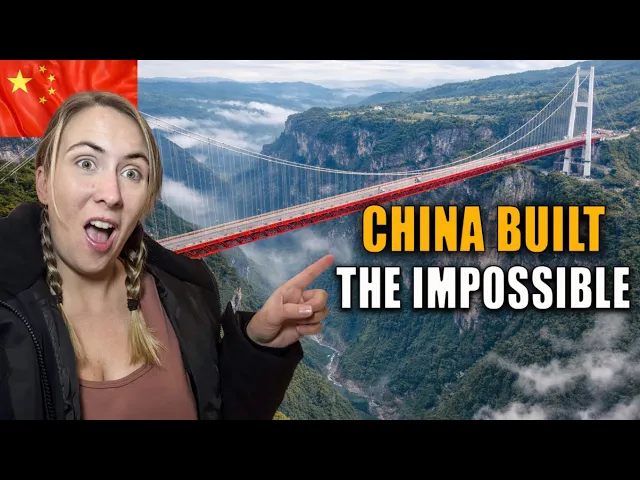
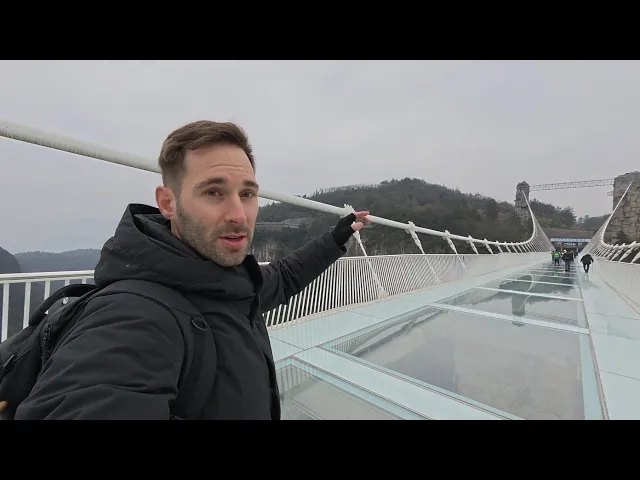
In this travel episode, the hosts Reanne and Ben visit Jishou in Hunan to confront a bold claim about engineering prowess by stepping onto and across one of China’s most talked-about mega structures: the Aizhai Bridge. The duo wrestles with the notion that China leads the world in technology and infrastructure, using the bridge as a lens to explore how such feats reshape travel, logistics, and perception. The narrative mingles awe with practical observations: the bridge’s design, its status as the longest tunnel-to-tunnel suspension span, the weather and canyon challenges during construction, and the profound impact on local connectivity—reducing a 30-minute mountain traverse to roughly a single minute of travel. They highlight the ambitious engineering choices, including carbon fiber and steel cable techniques built to withstand extreme weather and heavy traffic, and they acknowledge the project’s place within a broader conversation about globalization, innovation hubs, and the future
Next travel video: ( 131 / 143 )
More about the current video:( 130 / 143 )

The episode follows Reanne and Ben as they explore how the Aizhai Bridge was conceived and built and what it signals about China’s place in the future of engineering. The ride up the canyon becomes a meditation on global leadership in infrastructure, the courage of the engineers, and the scale of mega projects. The pair shares personal reactions—fear of heights, adrenaline, and sheer awe—while unpacking the bridge’s role in cutting travel time, enabling logistics, and attracting tourists. They compare the bridge’s ambitious engineering to climate and weather risks, the use of carbon fiber and steel, and the decision to turn a transit route into a tourist attraction. They also reflect on the human element: the thrill-seekers at the bungee and cloud walk platforms, the local food scene with skewers and warm beer, and the way such sites shape travel narratives, perception of progress, and China’s global image. The traveler mentions the bridge as a symbol of contemporary ambition, a gateway into discussions about globalization and the next era of connectivity. The journey with Ben reveals a mix of wonder, nerves, and thoughtful observation about what megaprojects mean for everyday life and the world’s future of engineering.
FAQs (From the traveler's perspective)
- Q: What makes the Aizhai Bridge unique?
- A: It's described as the longest tunnel-to-tunnel suspension bridge in the world, built to withstand extreme canyon weather and heavy traffic, turning a transit route into a major tourist and engineering site.