
Travel Guides & Tips in this video
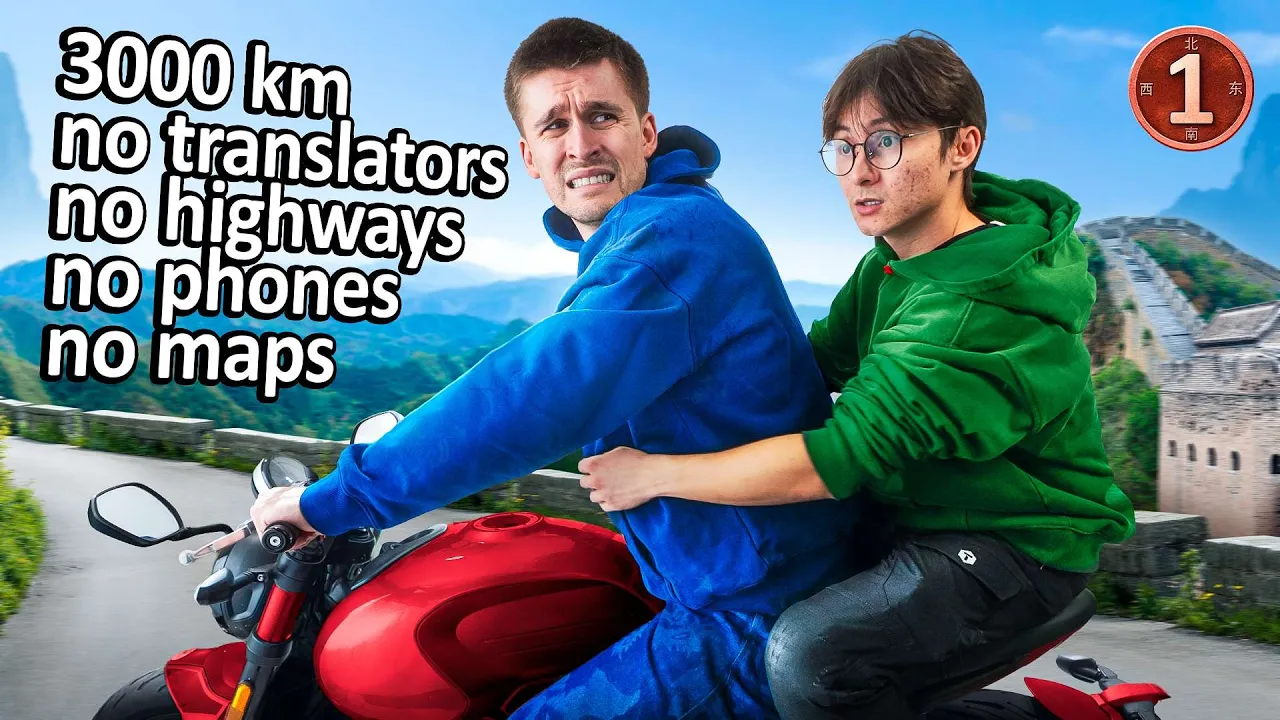
This motorcycle journey covers about 3,000 kilometres across China on the way toward Mongolia, without maps, smartphones or expressways. The rider runs out of fuel on a southern island and mistakenly uses a diesel pump before a local biker group helps. With only a little Mandarin and a nearly empty phrasebook, he also relies on an American friend to translate at a restaurant converted from a warehouse. The trip includes a $14 hotel and a clogged squat toilet, which he handles with a plastic bag. The experience is shaped by people who step in along the route. Local bikers offer help and cigarettes, while the rider navigates conversations with limited Chinese. The journey shows the value of slowing down, asking for assistance and checking the fuel pump carefully when travelling by motorcycle.
Next travel video:
More about the current video:()
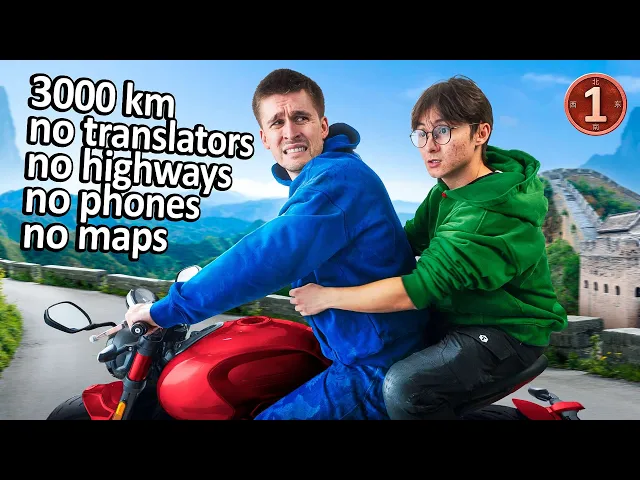
A long ride without digital maps
The rider sets out on a motorcycle journey of roughly 3,000 kilometres across China, heading toward Mongolia. He travels without maps or a smartphone and avoids highways. The route brings him to a southern island, where he runs out of fuel and mistakenly fills the bike with diesel. A group of local bikers comes to his aid, helping him get going again and sharing cigarettes.
Language makes everyday tasks harder. He has only broken Mandarin and a phrasebook with almost nothing useful left in it, so asking questions takes patience. The people he meets help bridge that gap, showing how local riders can be a practical source of support on the road.
Food, lodging and roadside problems
At one stop, he finds a restaurant in a building that had been used as a warehouse. An American friend translates for him, helping him communicate with the staff. He later stays in a hotel costing $14. The room has a squat toilet that becomes clogged; he deals with the problem using a plastic bag.
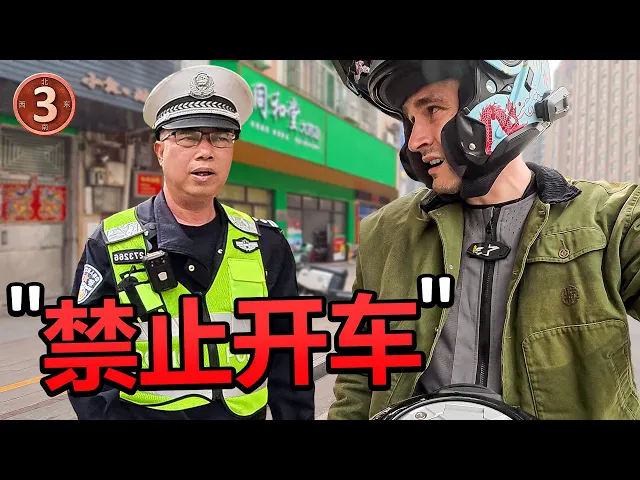
The account is as much about handling small setbacks as covering distance. Without a phone or digital navigation, the rider depends on people and direct observation. The old advice from the trip is to avoid expressways and toll roads because motorcycles are not allowed on them and they are monitored. It also recommends checking the pump before filling up, carrying a useful phrasebook, and being open to asking local riders for help. The ride's practical lessons come from the specific troubles he faced rather than from a detailed route guide.
FAQs (From the traveler's perspective)
- Q: Why did the rider avoid expressways and toll roads?
- A: Motorcycles were not allowed on those roads, and they were monitored, so the route stayed off expressways and toll roads.
- Q: How did local riders help when he ran out of fuel?
- A: A group of local bikers helped him after he ran out of fuel on a southern island, and they shared cigarettes with him.
- Q: What language resources did he have?
- A: He spoke only broken Mandarin and carried a phrasebook that was nearly blank, so he needed patience and help communicating.
- Q: Where did he eat and stay?
- A: He ate at a restaurant in a former warehouse, where an American friend translated. He stayed in a $14 hotel with a squat toilet that clogged; he handled it with a plastic bag.