
Travel Guides & Tips in this video
Little Chinese Everywhere travels through rural Hainan, beginning in a fishing village where she asks local fishermen about their work and seasonal routines. They describe going out to fish every eight to ten days, spending other days repairing nets and preparing for the next trip, and earning different amounts depending on their catch. She then visits the Yinggehai Sea Salt Farm, where seawater moves through man-made pools and evaporates through stages of brine concentration. On the way toward Sanya, she encounters restrictions on motorbikes and sees the city's beach and busy streets. The visit also covers the fishing off-season, which runs from May 15 to August 15, and the sunny climate that draws winter visitors.
Next travel video:

More about the current video:(Published on 2024-03-16)

Fishing life in rural Hainan
Little Chinese Everywhere begins this Hainan journey in a fishing village, where she talks with residents about their work. Fishermen explain that they typically go fishing every eight to ten days. Between trips, they repair nets and prepare for the next outing. Their income varies according to luck and the size of the catch, and they also discuss the impact of modern fishing vessels. The conversations give a view of the practical rhythm behind the work, including preparation as well as time at sea.
The village's calendar includes a two-month fishing off-season from May 15 to August 15. During this period, fishermen often take small jobs and live on savings from the fishing season. For visitors who are not used to boats, seasickness can be a concern when waves are large. Local people tell the traveler that susceptibility can depend partly on individual predisposition. These details come from the conversations in the village and help explain the seasonal and personal demands of fishing.
Yinggehai salt and the route to Sanya
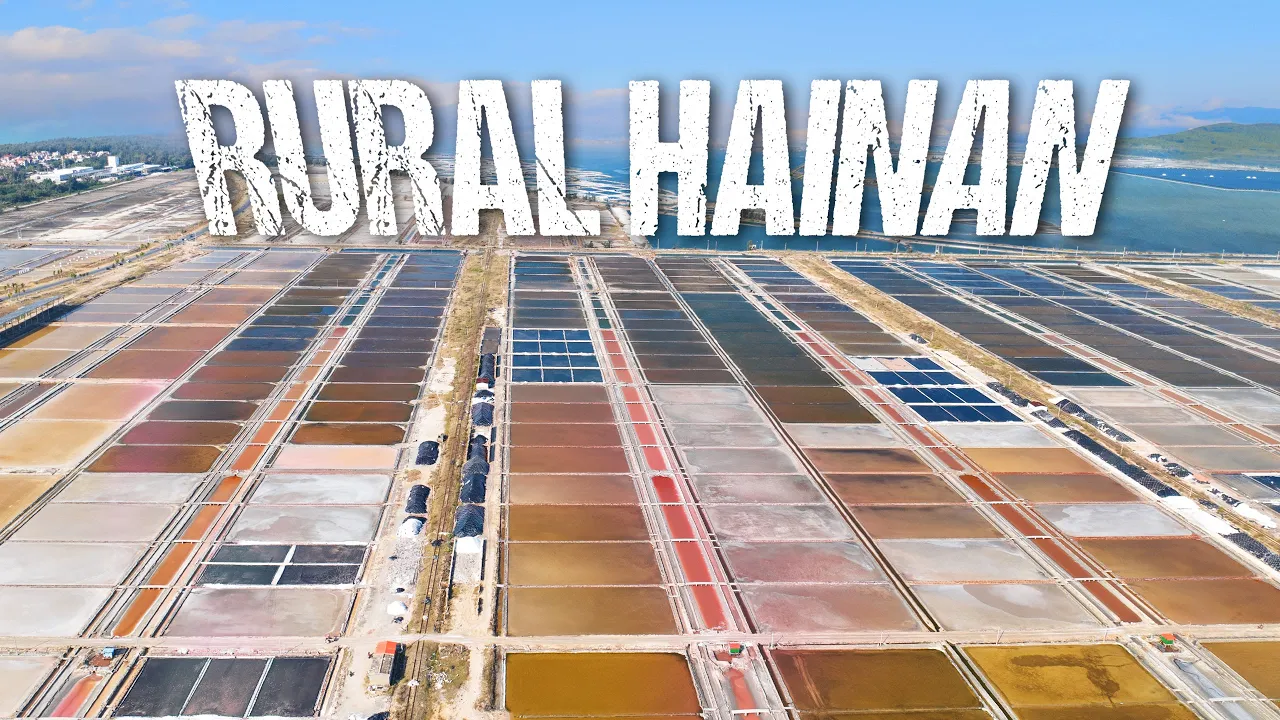
The next stop is Yinggehai Sea Salt Farm, described in the video as one of the largest in China. The site contains many man-made pools where seawater evaporates to make salt. Little Chinese Everywhere follows the production stages, including the movement of brine through pools with different levels of concentration before salt crystallizes. The broad, level landscape of the farm contrasts with the fishing village and gives the journey another view of rural Hainan's work.
She continues toward Lingshui and passes through Sanya, where she encounters a rule restricting motorbikes across much of the city. Motorbike travelers may need to check with local authorities or use the Hainan ring road. Sanya is also described by locals as having Hainan's most favorable climate and many sunny days. That weather makes it a popular winter destination and can contribute to traffic. The route includes the long white-sand beach and the lively city atmosphere, connecting the quieter fishing village with the coastal tourist center. The trip shows a range of places and working lives across Hainan, from net repair and fishing to salt production and urban travel constraints.
FAQs (From the traveler's perspective)
- Q: How often do fishermen go fishing in the village?
- A: They say they typically go out every eight to ten days. Between trips they repair nets and prepare for the next outing, and their income depends partly on the catch.
- Q: When is the fishing off-season?
- A: The off-season runs from May 15 to August 15. Fishermen may take small jobs and use savings from the fishing season during this period.
- Q: How is salt produced at Yinggehai Sea Salt Farm?
- A: Seawater evaporates in man-made pools and moves through stages of increasing brine concentration before salt crystallizes.
