
Travel Guides & Tips in this video
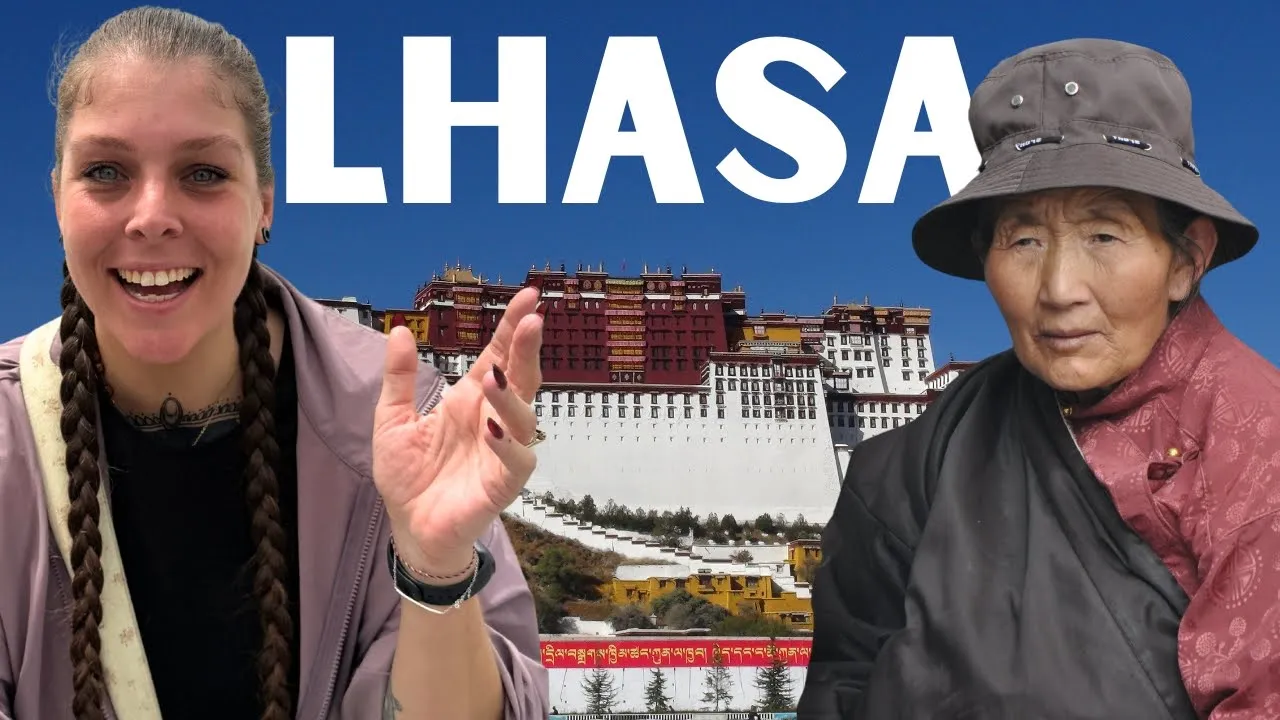
Two Mad Explorers visit Lhasa for 24 hours, beginning at Potala Palace and continuing through local markets and restaurants. They describe the palace's Indian, Chinese, and Nepalese architectural influences, its spiritual significance, and the effort of climbing at high altitude. They meet locals who ask for photographs, browse yak milk treats and jerky, and bargain with vendors. At Lhasa Kitchen, they have a Nepali thali and momos, and also try yak meat bread and Tibetan sweet tea. They discuss the need to book palace tickets in advance, respect restrictions on filming inside, and support local Tibetan businesses.
Next travel video:

More about the current video:(Published on 2025-04-24)

Potala Palace and Lhasa
Two Mad Explorers spend 24 hours in Lhasa, a city known for restricted access. They begin at Potala Palace, whose architecture combines Indian, Chinese, and Nepalese influences. The palace is large, intricately designed, and spiritually important to Tibetan people. The travelers climb through the building at high altitude and find the ascent challenging, though the views and rooms make the effort worthwhile. They describe each level as becoming more beautiful and say the interior feels maze-like. Filming is restricted in some areas to protect prayer and meditation, so visitors should respect the rules inside.
The explorers meet local people who ask them for photographs, a request they say reflects how rare Western visitors can be in Lhasa. They describe these encounters as warm and friendly. The palace visit includes exterior views, the ascent, and a northern view over Lhasa. Booking tickets in advance is important, especially during busy periods; the travelers recommend planning several days ahead in winter and up to 15 days ahead in summer.
Markets, food, and local businesses
Outside the palace, the pair explore a busy market where they try yak milk treats and jerky and bargain with vendors. They talk about supporting local Tibetan businesses by buying goods and services from Tibetan vendors. The market gives them a chance to interact with people selling local products and to learn about daily life in the city.
Their food visit continues at Lhasa Kitchen, which serves Nepali and Tibetan cuisine. The explorers have a Nepali thali and describe its different flavors and textures. Nepali momos are a highlight; they say these are better than momos they had tried in India. They also eat yak meat bread and try Tibetan sweet tea, which they compare with a less intense masala chai. The food stops offer a different view of Lhasa from the palace and market.
The video also includes details about local traditions, such as the hand repainting of Potala Palace each year and two stupas marking the city's entrance. Together with the palace's architecture, market conversations, and food, these details make the visit a personal experience rather than only a sightseeing route. The explorers leave with a strong impression of the city's spiritual setting and the warmth of the people they meet.
FAQs (From the traveler's perspective)
- Q: What's the best way to get tickets for the Potala Palace?
- A: Book online in advance. The explorers recommend several days ahead, and up to 15 days in advance during summer, when demand may be higher.
- Q: What is the most memorable thing about the Potala Palace?
- A: The explorers find it large, beautiful, and spiritually significant. Each floor feels more beautiful than the last, and the interior is maze-like.
- Q: What was the food like in Lhasa?
- A: They try Nepali food at Lhasa Kitchen and find the momos better than the ones they had in India. They also enjoy yak meat bread, which they describe as tasty and juicy, and Tibetan sweet tea, whose flavor they compare with a less intense masala chai.
