
Travel Guides & Tips in this video
Two Mad Explorers visit Bomi County in Nyingchi Prefecture, where peach blossoms and snow-covered mountains shape the landscape. They discuss Bomi’s name, history, remote villages and changing road access, as well as Tibetan pilgrimages made on foot. Their route includes a high-altitude glacier viewpoint on Route 318, where snow and fog can affect visibility. The travelers describe Bomi as a lush, green part of Tibet and reflect on its culture and spiritual traditions.
Next travel video:

More about the current video:(Published on 2025-04-19)

Bomi’s history and landscape
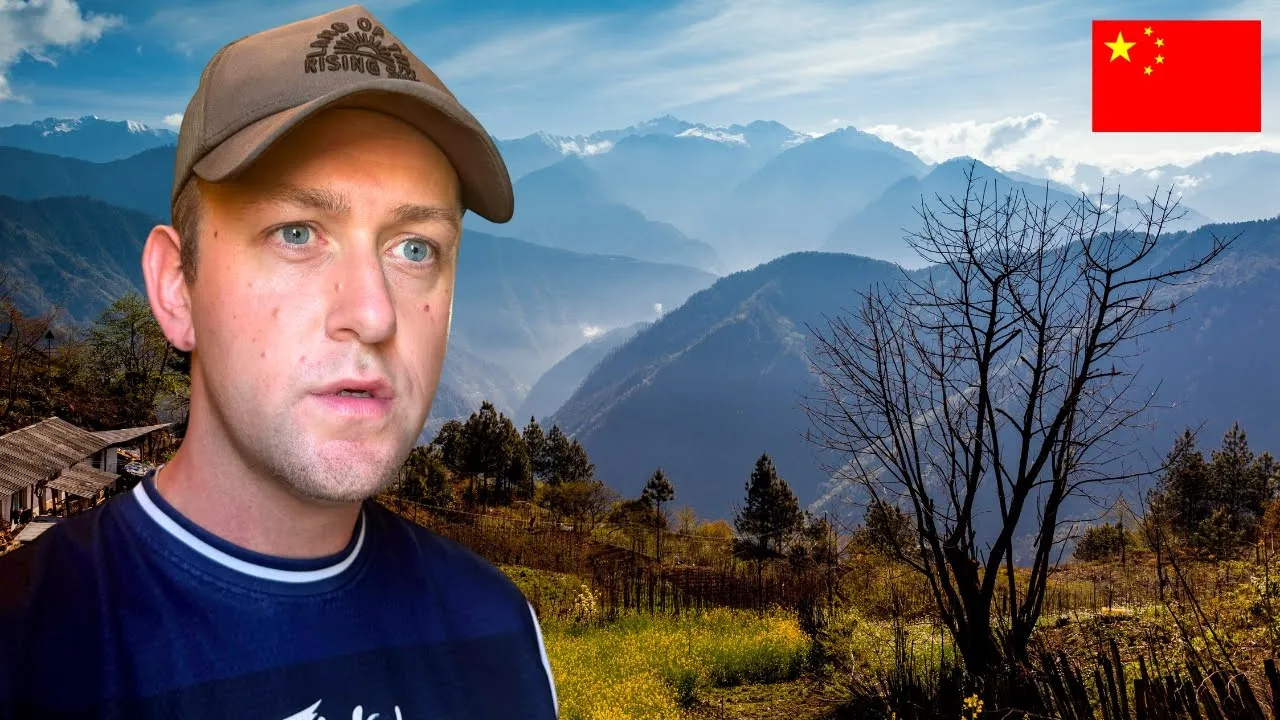
Two Mad Explorers travel through Bomi County in Nyingchi Prefecture, Tibet. The area is known in the video for peach blossoms, fertile landscapes and snow-capped mountains, and is compared with Switzerland. They discuss Bomi’s Tibetan name, meaning mighty and prosperous, and how that name reflects the fertile land and relationship between people and mountains. The account also mentions ancient Tibetan tribes and the Powo Kingdom, described as a semi-independent kingdom with a warrior culture. Bomi was once difficult to access, while roads now connect remote villages. The travelers encounter villagers and children and observe the lush scenery, which differs from common images of Tibet.
Route 318 and pilgrimage
The trip continues along Route 318, a scenic highway running from Shanghai toward the Nepal border. The travelers visit a glacier viewpoint at about 4,000 meters and see prayer flags, then encounter snow at high altitude. They discuss Tibetan pilgrims who walk thousands of kilometers as part of spiritual journeys. Bomi’s weather can change quickly, with humidity and temperature shifts, so layers and warm rest breaks are practical. Snow and fog may affect visibility on high-altitude roads. The route combines natural scenery with cultural encounters, including conversations about local history and faith. The source also discusses Kham and says Bomi is integrated into Nyingchi, with its lower altitude helping make the area greener than other parts of Tibet. It recounts the story of the first Tibetan king, who pointed to the sky when a tribe could not understand him; they believed he came from heaven and carried him on their necks, leading to the name Neck Throne King. The video follows these stories alongside the road journey and blossom viewing.
FAQs (From the traveler's perspective)
- Q: What does the name Bomi mean?
- A: The source says that in Tibetan, Bomi means mighty and prosperous. It connects the name with the fertile land and the relationship between people and the surrounding mountains.
- Q: What is special about the region of Kham?
- A: The FAQ says Kham was once its own region and that Bomi is now integrated into Nyingchi. It describes Bomi’s lower altitude as one reason the area is lush and green compared with other parts of Tibet.
- Q: What is the story behind the first Tibetan king?
- A: The source recounts a story in which a tribe found a man whose language they did not understand. He pointed toward the sky, so they thought he came from heaven and carried him on their necks; the story gives him the name Neck Throne King.
- Q: What is Route 318 like?
- A: The source describes Route 318 as a long, scenic journey from Shanghai toward the Nepal border, with many viewing spots. The travelers visit a glacier viewpoint at about 4,000 meters and encounter high-altitude snow and changing weather.
- Q: What was the weather like during this trip?
- A: The source describes variable conditions, changing from spring-like weather to snow, with humidity. It recommends layers, warm rest breaks and attention to snow or fog that can affect visibility.
