Travel Guides & Tips in this video
- Tip 1Arrive with zero Chinese; ask locals for directions, use taxi apps if possible; ask for halal options when dining. (0:34)
- Tip 2Look for halal eateries; confirm with vendors about halal preparation; practice patience with language. (5:40)
- Tip 3Respectful mosque visit: inquire about photography and filming rules; pray Salah respectfully; be mindful of restrictions. (15:29)
- Tip 4Engage with locals, share meals, and use simple phrases to connect; document everyday hospitality while avoiding sensitive topics. (28:50)
- Tip 5Navigate large markets: bargain politely, sample dishes, and pay with local methods; keep small change for tips. (39:12)
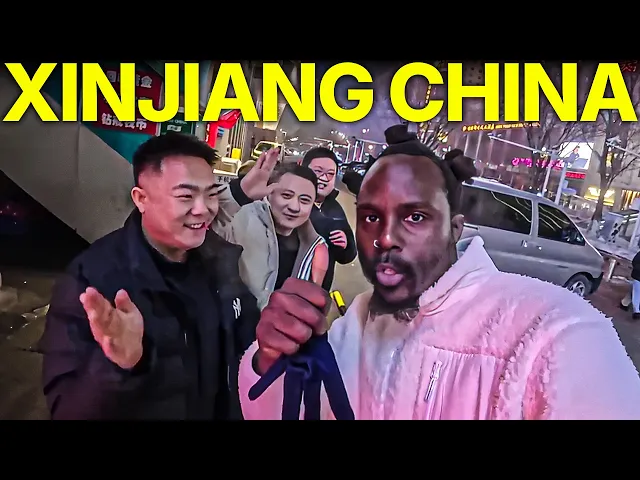
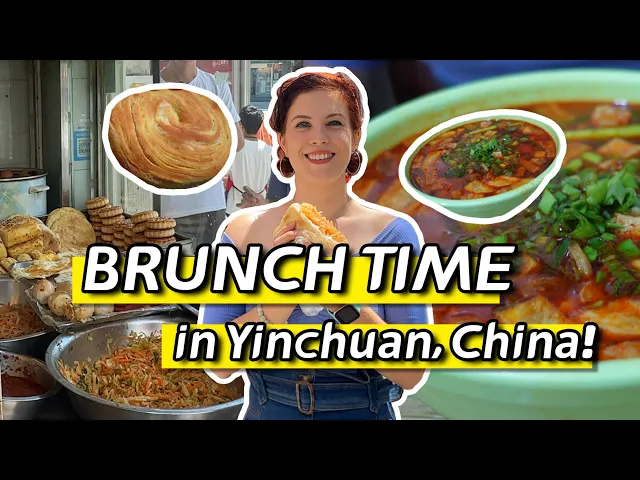
In this immersive slice of travel vlogging, Blackman Da Traveller dives into Yinchuan, the capital of Ningxia Hui Autonomous Region, to uncover life on the ground in China’s Muslim-majority heartland. The video kicks off with hospitality and a curious curiosity about a region many foreigners overlook. The host openly shares his language barrier, naively navigates a taxi hustle, and quickly becomes engrossed in everyday scenes—street food, halal shops, and conversations with locals. A pivotal moment arrives when he connects with an African musician, revealing impressions of cultural exchange and a nuanced texture of life for Black travelers in China. As he moves through bustling markets and a grand mosque, he reflects on the region’s Islamic heritage, the logistics of visiting mosques, and the complexity of religious freedoms and local sensitivities in modern China. The narrative shifts from sightseeing to a more intimate, human-centered exploration: sharing meals with shopkeepers, vibR
Next travel video: ( 13 / 13 )
More about the current video:( 12 / 13 )

Blackman Da Traveller arrives in Yinchuan, the capital of Ningxia Hui Autonomous Region, to explore life as a Muslim-in-China and a foreign traveler. He grapples with a cold, external-facing city map, tries to communicate with locals, and negotiates transportation while filming. At the heart of his day is the Nangran Grand Mosque, a symbol of the region’s Muslim heritage, which he visits, prays at, and contemplates the complexities around praying in masjids as a foreigner. Along the way, he encounters various locals—apples sellers, a Zimbabwean singer living in China, and a helpful taxi driver named Eric—who illustrate the warmth and openness he encounters despite occasional language barriers. Food plays a central role: a halal encounter, a lamb and rice meal, and a spontaneous tasting that reveals the rich flavors of Ningxia’s Muslim markets. The video captures the sensory overload of a Chinese halal food scene, the bustling streets, and the emotional currents of cultural exchange, making a case for seeing regions like Ningxia beyond stereotypes. The traveler reflects on the broader questions of representation, freedom, and the lived reality of Chinese Muslims, acknowledging both hospitality and constraints. The narrative weaves personal moments with observations about how outsiders may perceive life in China, urging viewers to spend more time engaging with locals, learning the lay of the land, and approaching sensitive topics with nuance. Traveler’s name appears a couple of times, grounding a personal perspective within a broader exploration of a lesser-visited corner of China. The journey ends with a sense of curiosity rather than conclusions, inviting viewers to consider visiting Ningxia to experience its culture, cuisine, and mosques firsthand.
The video highlights the following memorable moments: arriving in Yinchuan and feeling the chill of the city; meeting locals who help navigate daily life; discovering halal options and Ningxia’s halal food culture; praying Salah at the Nangran Grand Mosque and reflecting on the Muslim heritage of the region; meeting a fellow African in China and discussing cross-cultural exchanges; wandering through markets, bargaining, and sampling local dishes; and concluding with a caution to allow time to truly absorb life in Ningxia rather than just skimming highlights.
Key emotional beats include warmth from locals in a largely unfamiliar setting, a sense of shared humanity across cultures, and the traveler’s realization of how vast, diverse, and nuanced China’s Muslim communities are. The narrative uses vivid street-level detail (apples, halal signs, spicy lamb, market fragrances) to paint an authentic sense of place and moment, contrasted against the traveler’s own questions about freedom, perception, and representation in travel media.
FAQs (From the traveler's perspective)
- Q: Is Yinchuan a common tourist destination?
- A: No, it’s less visited, but offers rich Muslim heritage, markets, and a grand mosque that give a genuine glimpse into Ningxia.
- Q: What should travelers know about praying in masjids in China?
- A: Rules vary by mosque; always ask locals or staff, respect photography restrictions, and dress modestly.