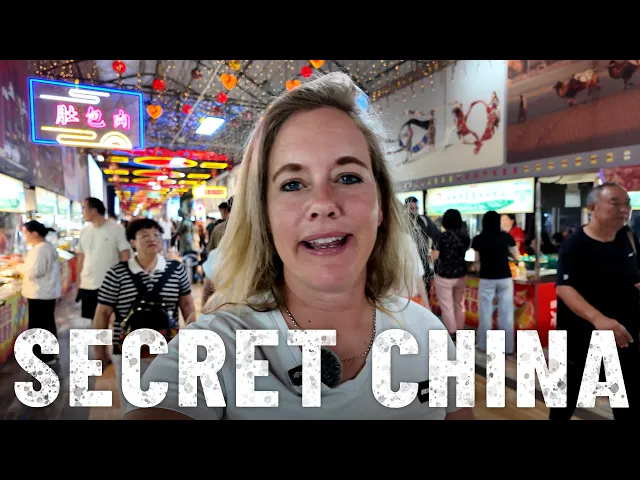
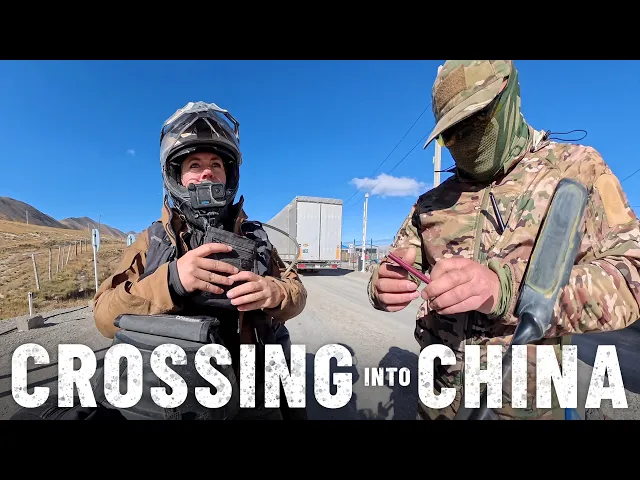
What if the most fascinating part of China… is the part nobody talks about? In this Travel Vlog you will see me a content creator who has never been to china i wanted to explore this part china where many westerners and foreigners have been warend to visit this part china , but i wanted to see for myself , i will be speaking to locals & see what life is like in this misunderstood part of china , so this is my experience in china's most interesting city , this video will give an insight what life is like in china & why don't tourists visit this place.
Welcome to Kashgar, a 2,000-year-old Silk Road city hidden in the far west of China — a place unlike anywhere else in the country. While most people picture modern skylines, mega malls, and high-speed trains when they think of China, this video takes you to the other side — a place where mosques echo through narrow alleyways, Uyghur families gather over homemade bread, and ancient traditions are still alive despite massive change.
Nestled deep in the Xinjiang Uyghur Autonomous Region, Kashgar is a cultural and geographic crossroad where East meets West, past meets present, and tradition refuses to fade. In this immersive journey, we explore the side of China people never get to see — through the sights, stories, and soul of this ancient Silk Road city.
Walk through the ancient Old City — one of the last living examples of Islamic architecture in China. Meet local Uyghur families, shopkeepers, bakers, and artisans holding onto centuries-old customs. Witness daily life in a place where hospitality, faith, and community still define everything. Explore bazaars bursting with spice, color, and sound, untouched by modern consumer culture. See how modernization is reshaping Kashgar — and what’s being preserved, transformed, or lost.
The complex identity of western China
The cultural richness of the Uyghur people
The changing face of a city under immense pressure
More about the current video:(Published on 2025-09-03)
Embark on a journey to Kashgar, a city where ancient Silk Road history meets vibrant Uyghur culture. This video unveils a side of China often unseen, exploring narrow alleyways, traditional mosques, and the daily lives of local families. Witness the preservation of centuries-old customs amidst modernization, from bustling bazaars to the resilience of the Uyghur people. It's an immersive look into a misunderstood region, revealing its unique identity and enduring beauty.
What if the most fascinating part of China… is the part nobody talks about?
In this Travel Vlog you will see me a content creator who has never been to china i wanted to explore this part china where many westerners and foreigners have been warend to visit
this part china , but i wanted to see for...
Embark on a journey to Kashgar, a city where ancient Silk Road history meets vibrant Uyghur culture. This video unveils a side of China often unseen, exploring narrow alleyways, traditional mosques, and the daily lives of local families. Witness the preservation of centuries-old customs amidst modernization, from bustling bazaars to the resilience of the Uyghur people. It's an immersive look into a misunderstood region, revealing its unique identity and enduring beauty.