Original source
I Went to China's Ancient Underground Village
China's Ancient Underground Village: Baishe's Pit Homes
In this episode, we travel to Baishe Village, where hundreds of pit homes are scattered across the landscape. Some have housed families for over a century, while others have been reclaimed by nature. We meet locals who share what it’s like to live underground, explaining how these homes bring them...
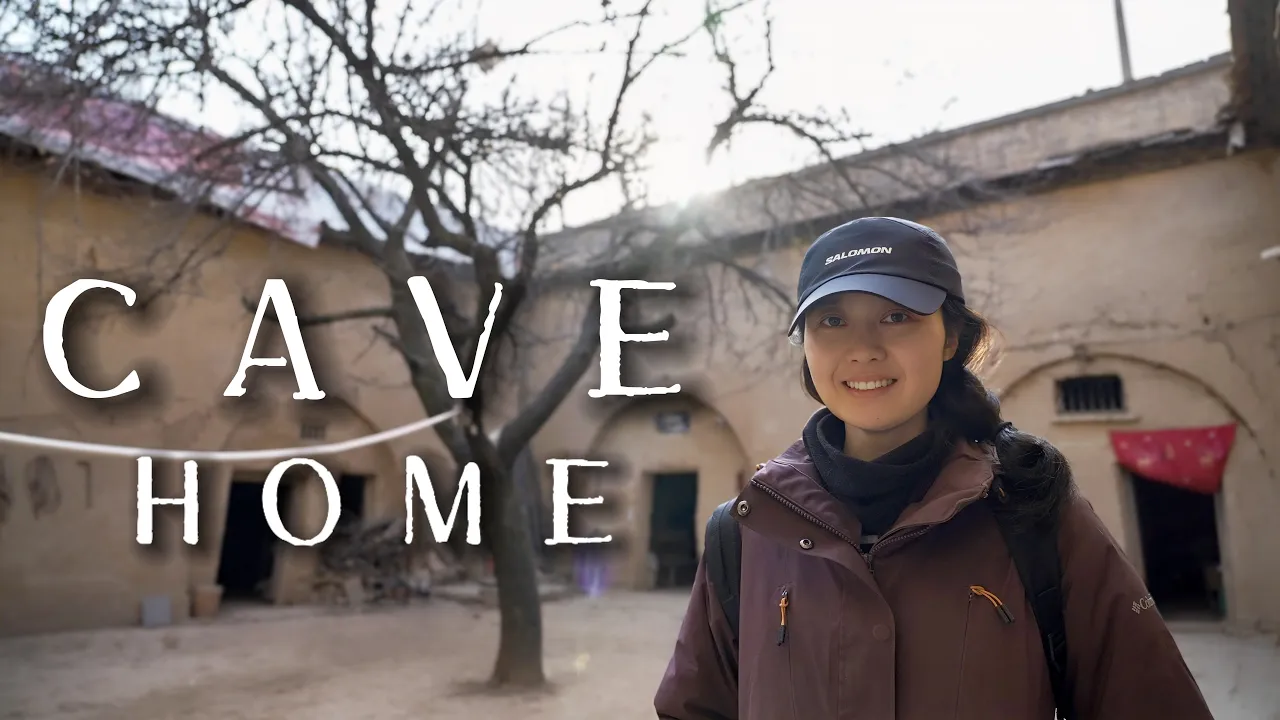
In this episode, we travel to Baishe Village, where hundreds of pit homes are scattered across the landscape. Some have housed families for over a century, while others have been reclaimed by nature. We meet locals who share what it’s like to live underground, explaining how these homes bring them closer to nature, provide fresher air, and offer a simpler, more down-to-earth way of life compared to towering high-rises. Yaodong, or cave dwellings, have shaped life on the Loess Plateau for over 4,000 years. When discussing the history of pit homes we’re exploring today, some see them as an architectural evolution from primitive cave living. However, rather than focusing solely on their ancient origins, I believe they were primarily a practical solution born out of necessity and the limited resources of this land. With that said, let’s explore how these homes were once carved into the earth and why, over time, people left them behind for houses above ground.
Explore the fascinating history and unique lifestyle of Baishe Village, China, where generations have lived in ancient underground pit homes. Discover how these "Yaodong" cave dwellings, carved into the Loess Plateau, offer a closer connection to nature and a simpler way of life. Learn about their origins, practical purposes, and why some villagers eventually moved to above-ground homes. A captivating journey into a hidden world!
In this episode, we travel to Baishe Village, where hundreds of pit homes are scattered across the landscape. Some have housed families for over a century, while others have been reclaimed by nature. We meet locals who share what it’s like to live underground, explaining how these homes bring them closer to nature, provide fresher air, and offer a simpler, more down-to-earth way of life compared to towering high-rises. Yaodong, or cave dwellings, have shaped life on the Loess Plateau for over 4,000 years. When discussing the history of pit homes we’re exploring today, some see them as an architectural evolution from primitive cave living. However, rather than focusing solely on their ancient origins, I believe they were primarily a practical solution born out of necessity and the limited resources of this land. With that said, let’s explore how these homes were once carved into the earth and why, over time, people left them behind for houses above ground.
This video follows Honglin Li's journey to Baishe Village in Shaanxi province, China, a place where, until recently, people lived in homes dug into the earth. The video explores the history and practicality of these "yaodong," or cave dwellings, which were a common feature of the region for centuries.
Honglin Li interacts with villagers who share their experiences of living underground. They explain how these homes provided fresher air, a closer connection to nature, and a simpler lifestyle compared to modern high-rises. The construction of these pit homes, often undertaken during the farming off-season, is described as a practical and affordable solution given the limited resources of the region. The process involved digging several meters into the earth and then carving out individual rooms.
The video also highlights the shift away from underground living in recent decades, due to increased accessibility of construction materials and rising labor costs. Many of the pit homes are now abandoned, though some have been renovated for tourism. The villagers discuss the advantages and disadvantages of living underground, touching upon aspects such as air quality, convenience, and the ability to accommodate families.
Through interviews and visuals, the video offers a glimpse into the daily lives of the villagers, their traditions, and the evolution of their living spaces. The video beautifully captures the essence of Baishe Village, showcasing its unique architectural heritage and the resilient spirit of its people. The personal insights shared by the villagers add depth and emotional resonance to the narrative, making it a compelling exploration of a fading way of life and the cultural legacy of the Loess Plateau.
Honglin Li's journey is not merely a travelogue but a sensitive portrayal of cultural change and the enduring connection between people and their environment. The video uses vivid descriptions and personal anecdotes to make the experience relatable and engaging, leaving the viewer with a deeper appreciation for the history and culture of this remarkable village.
Journey into the heart of China's ancient underground village! Explore the fascinating history and unique way of life in Baishe Village, where homes were carved into the earth. Honglin Li unveils the secrets of these pit homes, revealing why they were built, how they functioned, and why villagers eventually moved above ground. Discover surprising stories from the locals, and experience the rich cultural heritage of this remote destination.
Honglin Li explores China's ancient underground village, uncovering unique pit homes and the fascinating lives of its people. A journey into history and cultural heritage, leaving a lasting impact.
China's Ancient Underground Village: Yaodong Cave Dwellings
2:10 Visit Baishe Village in Shaanxi province, China, to experience the unique underground dwellings known as yaodong. These homes offer a fascinating glimpse into a traditional way of life, showcasing the ingenuity of people adapting to their environment. Explore the abandoned and renovated pit homes, and learn about the reasons for their construction and eventual decline.
10:09 Learn about the historical and practical reasons behind the construction of underground pit homes in Baishe Village. Consider the affordability and resourcefulness involved in creating these dwellings, which were a common feature of the region for centuries. Explore the challenges and advantages of living underground.
11:46 Experience the unique perspective of living underground by listening to the villagers' accounts. Learn about the air quality, the sense of connection to nature, and the conveniences and inconveniences of this traditional lifestyle. Consider the cultural and environmental factors that shaped this unique way of life.
13:18 Discover the historical evolution of Baishe Village's economy and lifestyle. Learn how the village transitioned from relying on crops like wheat and corn to cultivating cash crops such as apples. This shift reflects broader changes in rural China and the impact of modernization on traditional practices.
18:27 Understand the labor-intensive process of constructing an underground pit home. Learn about the time-consuming nature of the process, the need for gradual construction to prevent collapse, and the materials and techniques employed. This provides insights into the dedication and skill required to create these remarkable dwellings.
0:21 Journey begins in Western China
2:08 Arrival at Shannxi village
3:45 Exploring abandoned pit houses
6:45 Entering a pit house tunnel
10:09 Reasons for underground living
11:46 Life underground experiences
13:18 Village history and economy
15:55 Inside a renovated pit house
18:27 Pit house construction details
19:48 Building a pit home process
0:00 Intro
1:50 Into the Village
5:36 Abandoned Caves
10:00 Why they moved out?
14:16 Visiting the villagers
19:48 END
What's it like living underground?
The air quality is better in pit homes, you feel more down to earth, but it's less convenient for handling livestock or bulky items.
Why did people stop living in pit homes?
Construction materials became more accessible, and labor costs rose, making above-ground houses more appealing.
How long does it take to build a pit home?
It took 8 to 10 years to build an entire pit courtyard, digging one or two rooms, waiting for them to dry, then continuing.
How many pit homes are in Baishe Village?
There used to be 780, and 225 have been renovated for tourism.
What's the history of Baishe Village?
It was first mentioned in the Jin Dynasty (266–420). 'Bai' means cypress trees, and 'She' means a place where people worshipped their land deity.