Original source
Exploring a Quiet Old Town on the Ancient Tea Horse Trail (Unveiling Weishan, Yunnan)
Weishan, Yunnan: Ancient Tea Horse Trail & Nanzhao Kingdom
On our second stop in Yunnan, we ventured to an old city named Weishan, nestled 50km away from Dali city. Translating to 'Lofty Mountain' in Chinese, Weishan is truly a secluded gem, far from the bustling tourist hubs.
It served as the cradle of the Nanzhao Kingdom over 12 centuries ago and remains a...
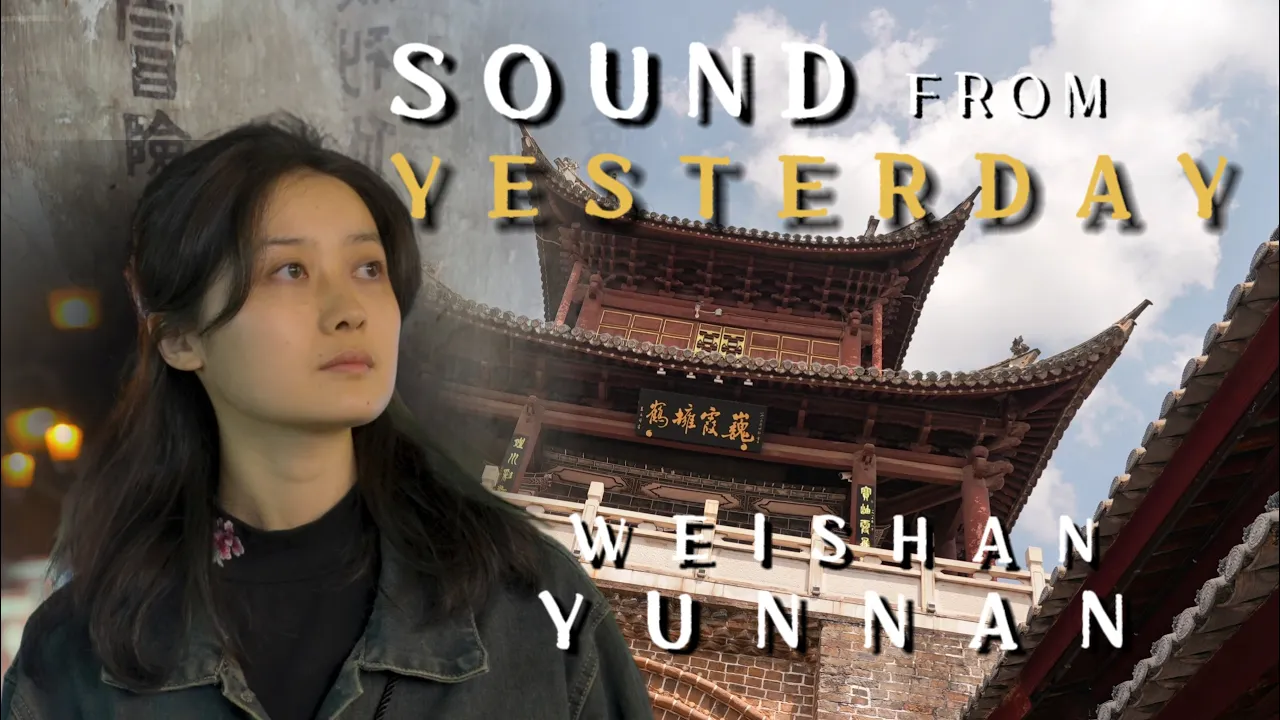
On our second stop in Yunnan, we ventured to an old city named Weishan, nestled 50km away from Dali city. Translating to 'Lofty Mountain' in Chinese, Weishan is truly a secluded gem, far from the bustling tourist hubs. It served as the cradle of the Nanzhao Kingdom over 12 centuries ago and remains a significant stop along the ancient Tea Horse Trade Route. With this concept in mind, I set out to engage with the locals, eager to unearth the captivating tales woven into both the history and locals everyday life in this place. In this unique place, the concept of death isn't shunned from daily life; it's embraced. When someone passes away, their family members honor their memory by hanging couplets for three years. Additionally, Mr. Zou has devoted himself to creating and upkeeping his private museum here. All my experiences in this place have led me to believe that people here seems live as if they will die tomorrow, and dream as if they will live forever. This is truly an interesting and thought-provoking journey to us!
Nestled 50km from Dali, Weishan, meaning 'Lofty Mountain,' is a hidden gem in Yunnan. Once the heart of the Nanzhao Kingdom, it's a significant stop on the ancient Tea Horse Trail. This video explores Weishan's unique culture, where death is embraced, and families honor the deceased with couplets for three years. It also features a private museum showcasing the region's history and the founder's unfulfilled dreams. Prepare to be captivated by the stories and the philosophy of a people who live each day to the fullest.
On our second stop in Yunnan, we ventured to an old city named Weishan, nestled 50km away from Dali city. Translating to 'Lofty Mountain' in Chinese, Weishan is truly a secluded gem, far from the bustling tourist hubs. It served as the cradle of the Nanzhao Kingdom over 12 centuries ago and remains a significant stop along the ancient Tea Horse Trade Route. With this concept in mind, I set out to engage with the locals, eager to unearth the captivating tales woven into both the history and locals everyday life in this place. In this unique place, the concept of death isn't shunned from daily life; it's embraced. When someone passes away, their family members honor their memory by hanging couplets for three years. Additionally, Mr. Zou has devoted himself to creating and upkeeping his private museum here. All my experiences in this place have led me to believe that people here seems live as if they will die tomorrow, and dream as if they will live forever. This is truly an interesting and thought-provoking journey to us!
This video essay, "Exploring a Quiet Old Town on the Ancient Tea Horse Trail (Unveiling Weishan, Yunnan)", follows Honglin Li's journey to Weishan, Yunnan, a historically significant town nestled 50 kilometers from Dali. Weishan, meaning "Lofty Mountain," is a secluded gem, far from typical tourist areas. The video explores Weishan's rich history as the birthplace of the Nanzhao Kingdom over 12 centuries ago and its role as a crucial stop on the ancient Tea Horse Trade Route.
Honglin Li's exploration delves into the daily lives of Weishan's residents, highlighting their unique cultural practices. The town's layout, unchanged for 600 years, is a testament to its enduring history. Traditional stores blend seamlessly with modern amenities, creating a unique atmosphere. The video showcases the town's architecture, with intricately carved wooden doors and aging buildings that reveal the passage of time. The houses, built with mud, bricks, and straw, provide a glimpse into the town's past.
The video features Mr. and Mrs. Zou, who have dedicated decades to building a private museum filled with local artifacts. Their collection includes land title deeds, saddles, religious objects, and art, offering a captivating look at Weishan's heritage. The museum is a treasure trove of history, particularly regarding the Tea Horse caravans that once traversed this region, carrying tea, horses, salt, silk, and other goods between Yunnan, Tibet, and Sichuan. The Zous' dedication is truly inspiring, and their story adds a poignant human element to the exploration of Weishan's history.
Honglin Li's journey also highlights the town's unique traditions. The video shows the use of Jiama, woodblock prints used for sacrificial rituals and blessings, and the custom of displaying funeral couplets for three years after a death, demonstrating the town's unique approach to life and death. The video captures the essence of Weishan, showcasing its historical significance, cultural richness, and the enduring spirit of its people. It's a journey that leaves a lasting impression, prompting reflection on the passage of time, cultural preservation, and the enduring human spirit. The video is a testament to the beauty and depth of Weishan, Yunnan, and the importance of preserving cultural heritage for future generations.
Journey with Honglin Li to the enchanting Weishan, Yunnan, a hidden gem on the ancient Tea Horse Trail. Explore a town steeped in history, where the Nanzhao Kingdom once thrived. Discover unique traditions, from the vibrant wood carvings of Jiama to the poignant custom of displaying funeral couplets. Witness the dedication of Mr. Zou, who has preserved a remarkable private museum showcasing the region's rich heritage. This is a captivating exploration of a culture that embraces life and death with equal measure, a truly unforgettable adventure.
Honglin Li's Yunnan adventure unveils Weishan's ancient charm. Exploring the Tea Horse Trail, he discovers unique traditions and a moving local museum, leaving a lasting impact.
Weishan, Yunnan: Ancient Tea Horse Trail & Nanzhao Kingdom
2:10 Explore Weishan's unique blend of old and new, where traditional stores sit alongside modern amenities, offering a fascinating glimpse into daily life in a historical town.
6:02 Visit Mr. and Mrs. Zou's private museum, a treasure trove of local artifacts showcasing the rich history of Weishan and the ancient Tea Horse Trade Route. Their dedication to preservation is truly remarkable.
7:38 Immerse yourself in the history of the Tea Horse caravans by examining the artifacts in the museum. Learn about the goods traded, the challenges faced, and the impact on the region's culture.
13:15 Discover the art of Jiama, intricately carved woodblock prints used for sacrificial rituals and blessings. Learn about their significance in local culture and traditions.
17:08 Witness the unique tradition of displaying funeral couplets for three years after a death. This practice offers a profound insight into the town's perspective on life and death.
0:21 Intro: mortality reflection
1:41 Arrival in Weishan
2:10 Modern Weishan life
6:02 Zou's private museum
7:38 Tea Horse Caravan exhibit
13:15 Jiama woodblock prints
17:08 Funeral couplets tradition
0:00 Intro
1:31 Nanzhao Kingdom from 738 to 859 AD
3:51 Walking on the main street of Weishan Ancient Town
4:41 Inside the tranquil small alley
5:51 Private museum hidden in the small alley
6:19 Religion sector of the museum
7:37 the sector of tea horse trade route
9:54 What is the Tea horse trade route?
10:20 Interview the Founder Mr.Zou
12:17 Unfulfilled dream of Mr. Zou
13:35 Jia Ma
17:07 Riding whales
What is the most striking thing about Weishan's culture?
Probably the way they handle death; instead of shunning it, they honor the deceased with couplets for three years.
What's special about Mr. Zou's museum?
It's a personal collection showcasing Weishan's history and the Tea Horse Trade Route, assembled over two generations. Most of it will be donated to public museums.
What are Jiama?
They are woodblock prints used in rituals and blessings, and people still use them for their original purpose.