Travel Guides & Tips in this video
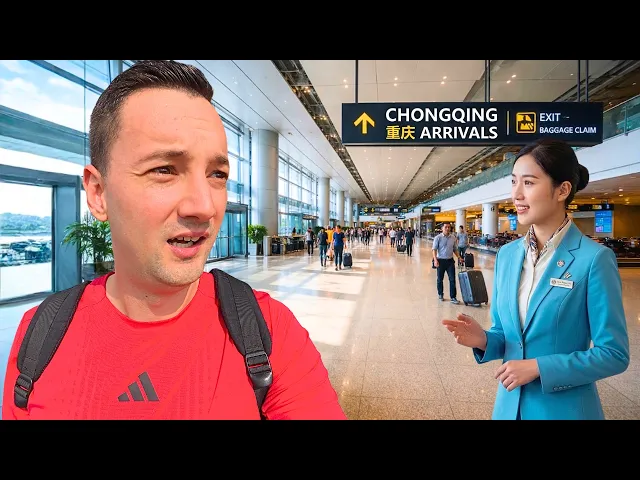
- Tip 1Expect crowds and intricate traffic; plan extra time for arrival and hotel check-in in busy districts. (0:53)
- Tip 2When exploring the famous island area, walk between modern towers and street-level shops for contrast. (11:34)
- Tip 3Take multiple metro transfers to reach famed viewpoints; stay aware of crowded photography spots and etiquette. (18:15)
- Tip 4Book rooms in islands or riverside districts for city views; consider late-evening light for photography. (28:19)
- Tip 5Pack light but sturdy luggage; Level 8 suitcases perform well on cobblestones and city streets; use promo codes when available. (38:56)
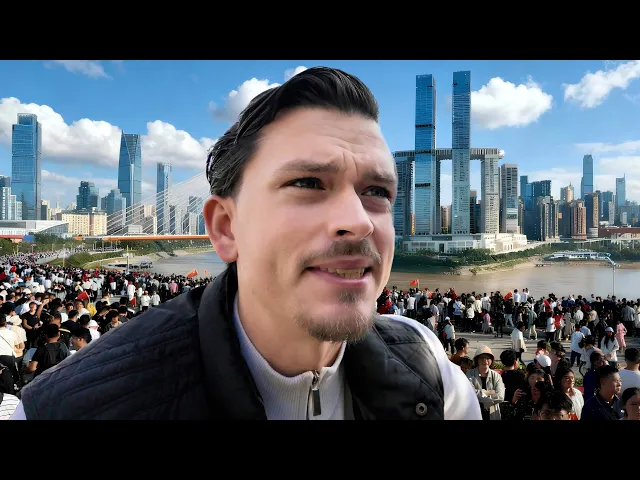
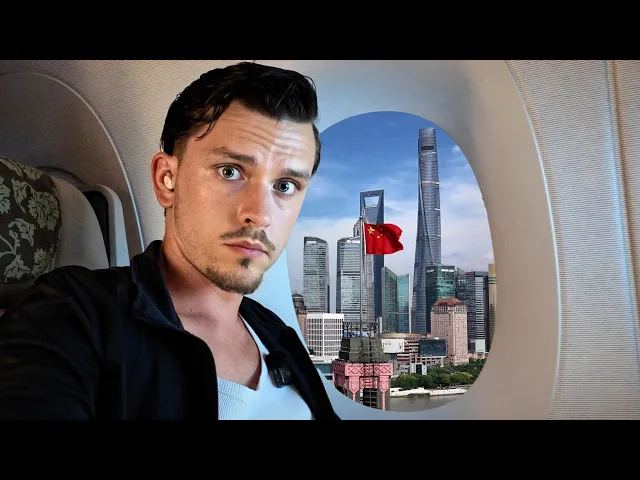
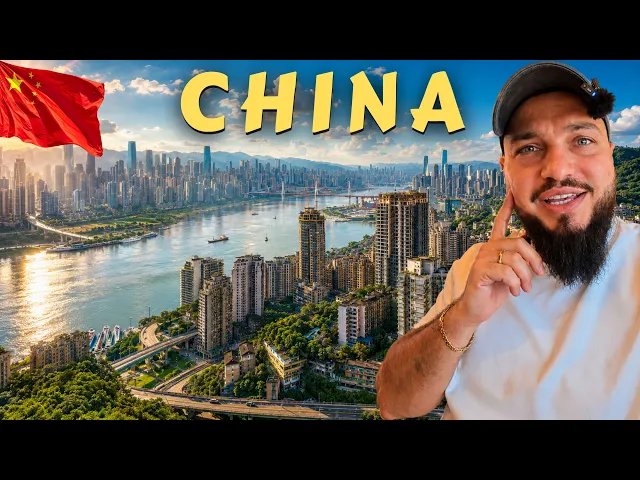
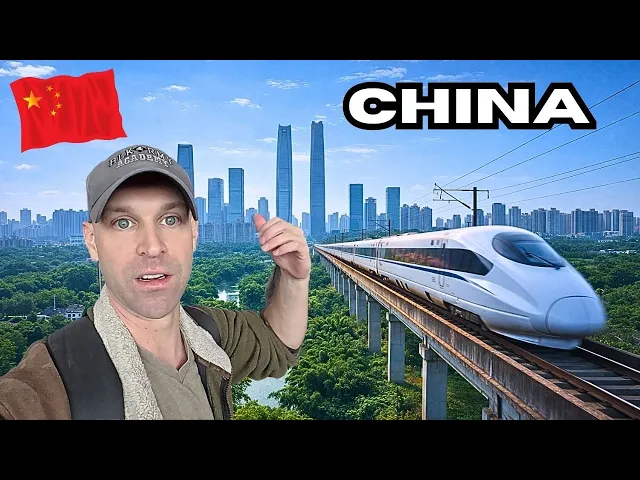
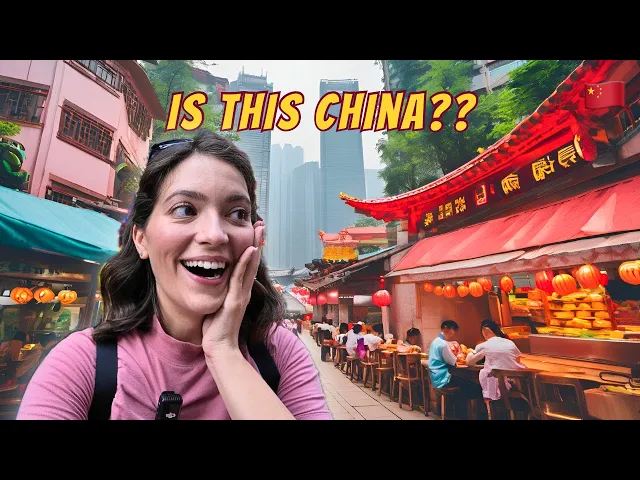
Dany Dev dives into Chongqing, presenting a city that defies simple labels with its dramatic verticality and river-constrained architecture. From the moment the video opens, the city’s sensory overload hits: a train ripping through a residential building, a skyline that feels like Gotham, and a sense of awe at how a metropolis can feel both ancient and ultramodern at once. He describes Chongqing as the world’s biggest city in scale and complexity, a sprawling, multi-level urban labyrinth built around mountains and connected by a river system. The first night focuses on a buzzing promenade, a dramatic light show, and a street-level sense of the city’s pulse—people, vendors, and a skyline that seems to emerge from every corner. He grapples with the density and the layered geography, where streets cascade into levels and bridges stitch neighborhoods across the river. The “Manhattan on the mountain” vibe is reinforced later with a stroll through Jangfang Bay and the island-like core, which
Next travel video: ( 27 / 29 )
More about the current video:( 26 / 29 )

Dany Dev introduces Chongqing as the world’s biggest city, a place where streets run on multiple levels and a metro literally travels through a residential building. He describes the skyline as Gotham-like, the city’s density as overwhelming, and the landscape as mountain-anchored, with two rivers shaping its growth. The first night captures a bustling promenade, a dramatic drone light show, and a sense of awe at the city’s audacious scale. He notes the island-like district of Jangfang Bay, a shopping paradise, and a mix of old and new architecture that includes temples, glass towers, and traditional markets. Morning reflections emphasize Chongqing’s ancient roots, a history of serving as a wartime capital, and its birth of hot pot as a cultural marker born from hard times and abundant chili. The transit experience stands out—three metro transfers that culminate in a famous tourist spot where a train appears to pass through a wall, a photo-magnet that has drawn crowds online, and a climbing skyline where buildings stack on mountains. Throughout, Dany shares personal reactions to the city’s pace, the “photo-obsessed” culture, and the challenge of navigating a place that feels like multiple cities in one. The day closes with a hotel stay on a modern island district, breakfast reflections, and plans for further exploration, hinting at a future epic journey through even more inaccessible parts of China. Traveler: Dany Dev mentions his broader mission of location-independent travel and teases upcoming adventures across challenging destinations in China, inviting viewers to follow on Instagram for real-time updates. He closes with appreciation for Chongqing’s complexity and potential, underscoring the city as a symbol of adventure and freedom in his ongoing global exploration.
Note: This summary preserves the vivid, on-location storytelling and the traveler’s reflective tone, including personal impressions, interactions, and the sensory impressions of light, sound, and urban texture.
FAQs (From the traveler's perspective)
- Q: What makes Chongqing unique compared to other Chinese cities?
- A: Its multi-level, mountain-anchored urban layout with river traffic, a skyline that folds over itself, and a metro that literally passes through buildings make it feel like several cities in one.