Travel Guides & Tips in this video
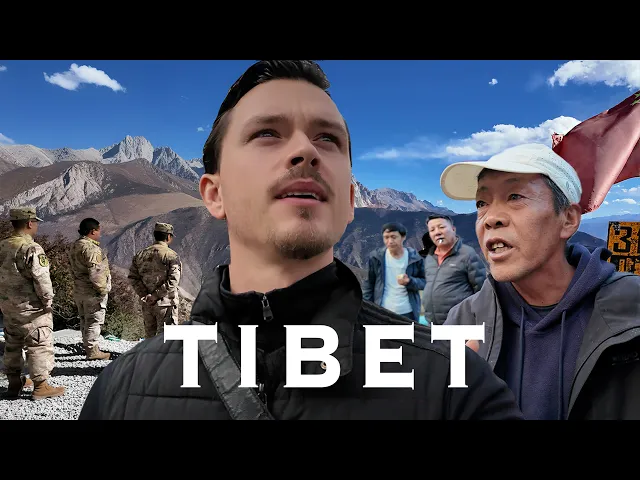
- Tip 1Understand you need special permission to enter Tibet; plan weeks in advance and coordinate with a licensed guide. (00:27)
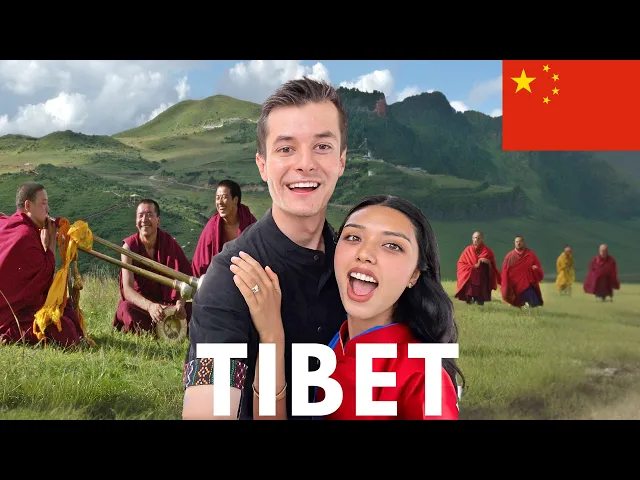
- Tip 2Visit Muya Monastery to see Tibet’s educational role; ask about student life and monk scholars (camera policy respected). (10:28)
- Tip 3Altitude-aware travel: monitor oxygen levels, consider oxygen aids, and take time to acclimate in high valleys. (15:09)
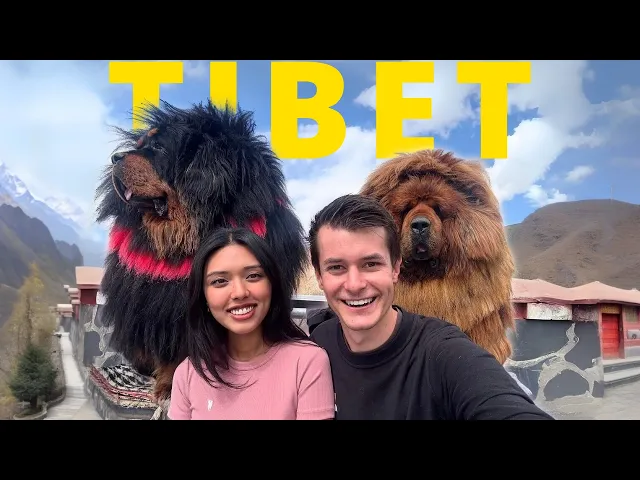
- Tip 4Interact with farmers and yaks on rural Tibetan farms; respect local practices and cleanliness around livestock. (16:55)
- Tip 5Be mindful of private spaces (temples, retreats) and ask before filming monks or ceremonies; privacy matters. (29:28)
- Tip 6Engage with locals with sensitivity to family roles and cultural norms around marriage, dating, and social structure. (35:20)
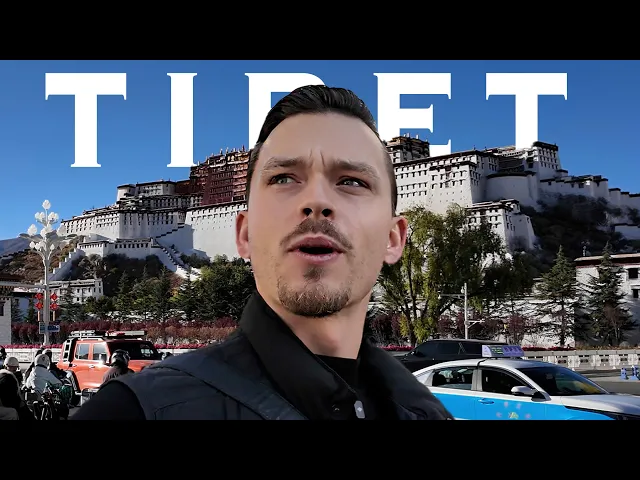
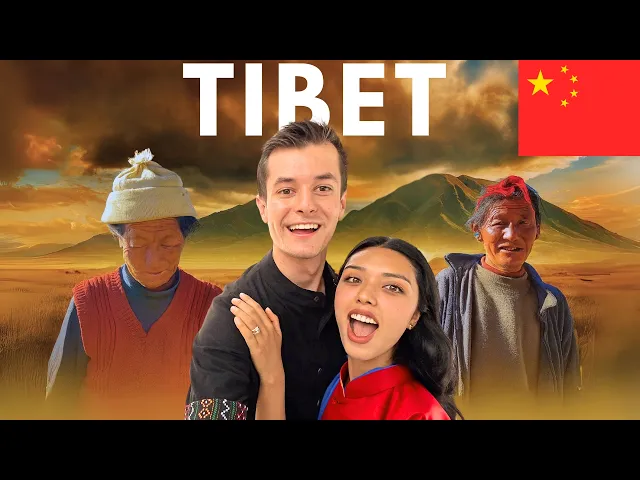
Dany Dev’s Tibetan odyssey unfolds as a cinematic immersion into China’s most enigmatic frontier. The journey begins near Chengdu, climbing into the clouded Tibetan belt where permission is the price of entry. The video casts a curious spell on a wedding-filled village where a local Tibetan ceremony unfolds against a backdrop of ornate dress, vibrant scarves, and a sense that life here still hums to a deeply traditional rhythm. Our narrator and his companions swap hotel lobbies for a rustic Tibetan town, where every doorway leads to another story, another lesson about altitude, culture, and resilience. As the crew edges closer to Tibet proper, the landscape unfurls into alpine splendor: monasteries perched like gold domes on the mountains, yak herders and family farms, and a gravity-defying highway that threads through remote valleys. We meet Z, a local guide with a passion for authentic, offbeat experiences, and we’re reminded that travel in this region hinges on trust, local networks
Next travel video: ( 27 / 27 )
More about the current video:( 26 / 27 )

Dany Dev invites viewers on a rough-cut expedition toward Tibet, hinting that the journey will test both body and spirit. Beginning with a seldom-visited corner near Chongdu, the video threads through clouds and an area historically hard to access, where a Tibetan wedding is underway in a village that seems both timeless and precariously connected to modern China. The narrator wrestles with questions about how Tibetan life blends old and new as the elevation climbs, and whether modernization has touched even the most sacred corners. A border crossing looms large: Tibet’s gates are not open doors but controlled thresholds requiring permits and local sponsorship. The crew enters a landscape of ceremonial spaces and academic monasteries—Muya Monastery serving as both sacred site and university—where monks and students move between prayer and study, surrounded by golden domed architecture and grazing yaks. The footage pivots to intimate exchanges with locals: a hotel owner who becomes a doorway to a wedding, a guide who translates and negotiates access, and a resident who shares stories of migration, romance, and daily sustenance in high-altitude Tibet. Humorous and human moments puncture the grandeur—an oxygen bottle, a local hospital pillow, a playful yak milking session, and a child hitchhiking on a winding road—all painting a vivid picture of life at 4,000 meters and above. The narrator forms bonds with everyday Tibetans—from a farmer family tending yaks to monks whose retreats and daily rituals reveal a culture both resilient and evolving under constraint. Throughout, the tension between restriction and freedom—between armed border controls and the spontaneous generosity of people—animates the journey. The video ends with a pivot toward Tibet’s borderlands: the highway marker, the cross-border permit, and the recognition that this voyage is as much about human connection and curiosity as it is about dramatic scenery. Traveler Dany Dev tees up the next chapter: entering Tibet proper with a local guide, continuing to seek authentic experiences while acknowledging the geopolitical boundaries that shape every mile. The traveler signs off with a nod to opportunity, adventure, and freedom—and an invitation to join him on Instagram for real-time moments from the road.
FAQs (From the traveler's perspective)
- Q: Is entering Tibet easy for travelers?
- A: No. Entering Tibet requires a border permit and often a licensed guide. Access is controlled and depends on paperwork and local sponsorship.
- Q: What’s special about the Muya Monastery?
- A: Muya is both a religious site and a university-like space where monks and students study the faith, set among golden domes and dramatic mountain scenery.
- Q: How high is the altitude in these regions?
- A: Parts of the journey are well above 3,000–4,000 meters, which can cause altitude-related symptoms; acclimatization and oxygen aids are common among travelers.
- Q: What kind of interactions can travelers expect with locals?
- A: The trip emphasizes authentic, local experiences—farms, markets, and families—often with guides who know safe, respectful ways to engage.
- Q: Are there modern amenities in rural Tibet?
- A: Yes, but development is uneven; you’ll encounter boutique hotels and simple local shops, with strong preservation of traditional life in many villages.