Travel Guides & Tips in this video
Dany Dev's Tibet trip begins at the border, where he says travelers need a permit and should expect checks. He follows the 318 highway toward Lhasa, taking in mountain scenery and signs of modern life alongside Tibetan traditions. In Lhasa, he visits Barkor Street, walks through Old Town and goes to Potala Palace, where visitors face bag checks and must use a guide. Dany discusses acclimatizing to the altitude and samples local food, including dumplings and roadside meals. The route then turns toward the Everest region, passing lakes, countryside and remote towns. The video records Dany's observations about tourism, local hospitality and the mix of older religious sites with newer amenities. In the city, he walks through the older district and observes how shops and newer buildings sit near historic religious sites. He visits temples and describes the need for guided access at some locations, while also trying local dumplings and meals at roadside restaurants. The route offers different views of the Tibetan landscape, from the high-altitude drive to the lake and countryside scenes as he continues toward the remote Everest area.
More about the current video:()
Crossing the border and traveling to Lhasa
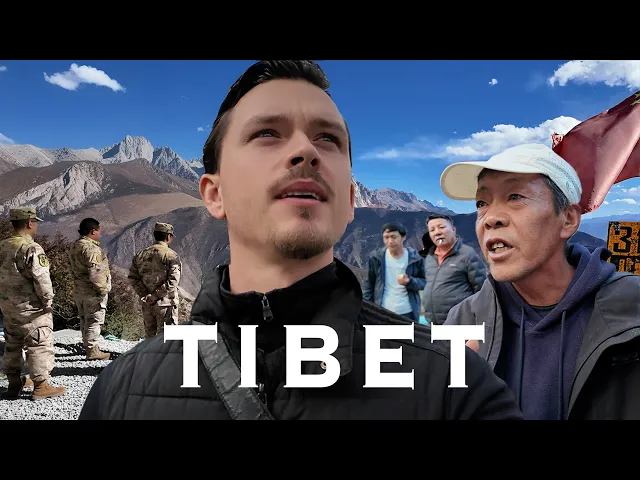
Dany Dev begins his Tibet trip at the border, where he says a permit is required to enter the region. He describes the crossing, the yak imagery nearby and the military presence. From there, he travels along the 318 highway toward Lhasa, with mountain scenery and high-altitude terrain shaping the drive. The route offers a view of Tibetan countryside and local life, alongside signs of modern development. Dany notes that visitors should expect checks and carry their passport, and he emphasizes the need to acclimatize gradually to the elevation.
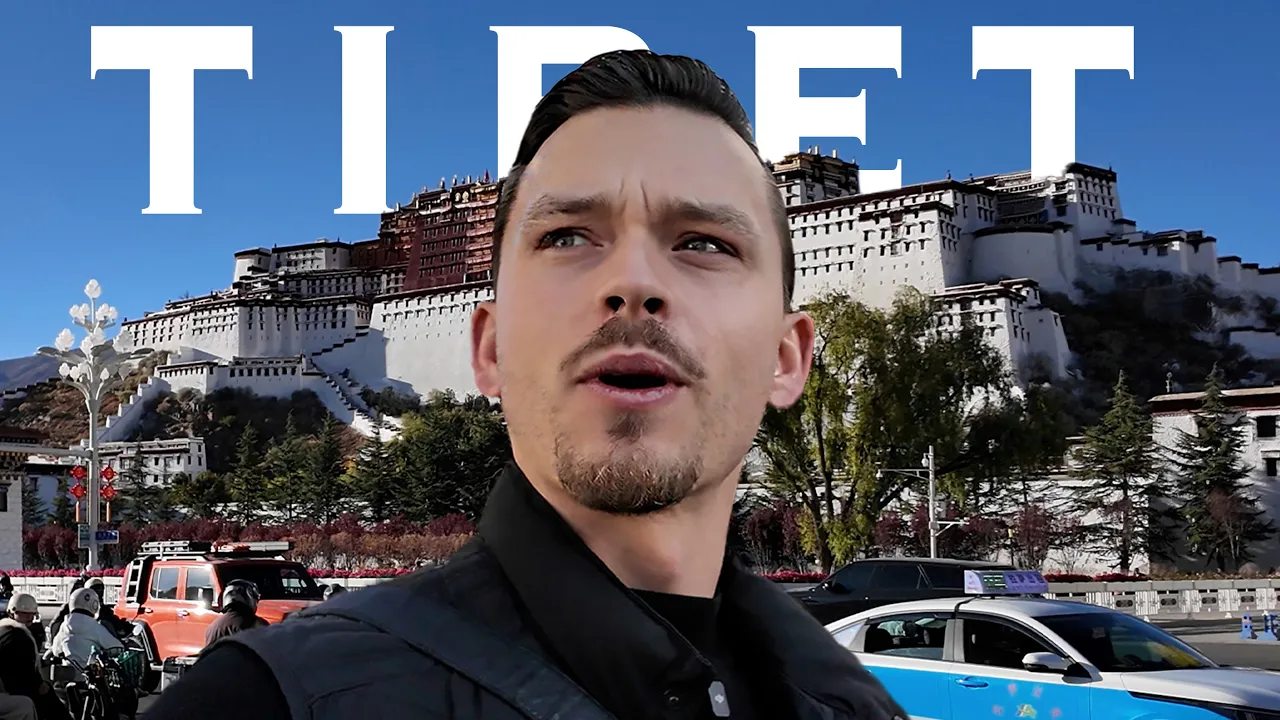
In Lhasa, Dany visits Barkor Street, explores Old Town and goes to Potala Palace. The city's older core includes monasteries and temples, while newer areas have modern amenities and shopping districts. At major religious sites such as Potala Palace, he notes the bag checks and guided entry requirements; photography inside may be restricted. His walk through the city also includes local greetings and street vending, giving a sense of daily activity around the historic sites. For food, he tries dumplings and eats at roadside places, and suggests rooftop cafes for city views and sunset over the palace.
Continuing toward the Everest region
The video then shifts from Lhasa toward Everest. The journey includes lake views, Tibetan countryside and remote towns, with roadside restaurants offering local food and a chance to meet residents. Dany reflects on the mixture of ancient religious sites and new infrastructure, and on how tourism affects the places he visits. He describes the scenery from glass viewing platforms and notes details such as the color of the palace walls and the smell of yak in the area.
The Everest leg requires advance planning because travel is long, towns are remote and weather can affect the route. Dany recommends booking ahead and respecting local customs. This video follows his route as far as the lead-in to the Everest journey; he says another video will explore that section in greater detail. His account combines border formalities, the drive along the 318 highway, time in Lhasa and the beginning of the remote road trip, rather than serving as a complete guide to permits or current entry requirements.
FAQs (From the traveler's perspective)
- Q: What do travelers need to enter Tibet?
- A: Dany says a border permit is required and travelers should expect checks. He also recommends carrying a passport and notes that organized tours are involved.
- Q: What should visitors expect at Potala Palace?
- A: Dany notes that visitors face bag checks and need a guide. Photos inside may be restricted, so follow the site's rules.
- Q: What is the journey toward Everest like?
- A: The route involves long travel through remote towns and changing weather. Dany's video includes countryside, lake views and roadside restaurants on the way toward the Everest region.