
Travel Guides & Tips in this video
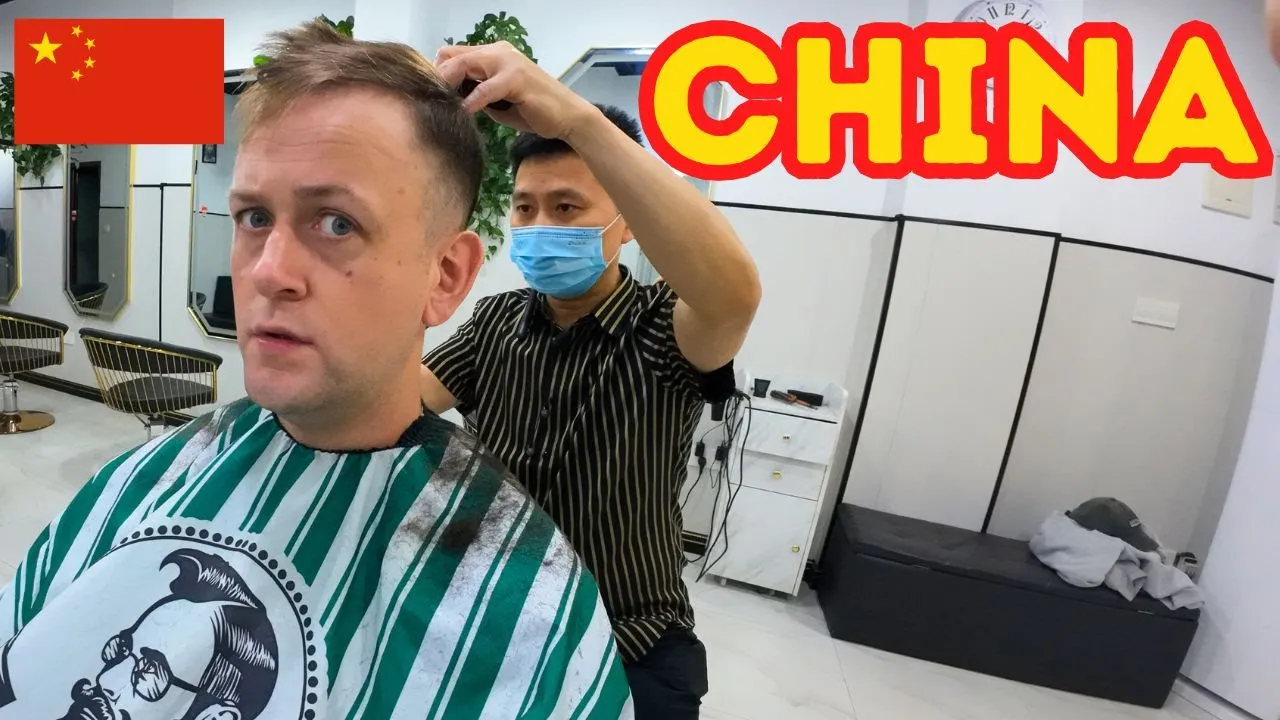
Two Mad Explorers visit a Chongqing neighborhood barbershop for a haircut. They describe a unisex shop, a fully reclined wash and a careful cut using scissors and a razor. With limited shared language, they use a photo to explain the desired style. The haircut costs 301 yuan, which they compare with prices in their home countries and elsewhere in Asia. They also discuss tipping customs and the affordability of personal-care services.
Next travel video:

More about the current video:(Published on 2024-06-16)

Visiting a neighborhood barbershop
Two Mad Explorers go to a local Chongqing barbershop for a haircut. They notice that the shop serves men and women, unlike the gender-separated salons they know from some Western countries. A wig on a tripod stands out in the shop. The wash takes place with the customer fully reclined, a setup the travelers compare with their usual experience.
Communication is limited, so the explorers use a picture to show the style they want. The barber discusses the parting and calls his son on FaceTime during the appointment. The explorers ask about the service and price as the haircut gets underway. These moments give them a view of the shop's everyday atmosphere as the cut progresses.
The haircut and its cost
The barber washes the hair twice before using scissors and a razor to cut and shape it. The explorers describe the process as unusually thorough compared with haircuts they have received before. They watch the barber refine the style and discuss the care he takes with each stage, from the reclined wash to the final styling.
The explorers compare the service with salon visits in their home countries and elsewhere in Asia. The final cost is 301 yuan, about four dollars according to their account. They say the haircut was remarkably affordable given the detailed service.
They also discuss tipping: it is not customary in China's service industry, and the quoted price is generally the final price. Personal-care services such as nail salons can be affordable compared with Western countries, and some salons offer memberships with discounts on future visits. Their practical advice is to ask questions even if communication is difficult, learn basic Mandarin or use a translation app, and show a picture of the desired haircut. They recommend looking for a clean, well-lit shop. The explorers leave satisfied with the cut and the chance to experience a local service.
The explorers also discuss the parting and final price as the haircut progresses. They watch the barber shape the hair with scissors and a razor, and compare the careful styling with haircuts they have received before. During the appointment, the barber takes a moment to FaceTime with his son.
The travelers also talk about practical choices for a haircut in China. They suggest using a reference image when describing a style, especially if conversation is difficult, and asking questions rather than giving up because of a language barrier. Basic Mandarin phrases or a translation app may help with communication. They advise checking that a shop is clean and well lit, and note that memberships can suit customers who expect to return. Their account links the price, service and local customs to the haircut they received in Chongqing.
FAQs (From the traveler's perspective)
- Q: What stood out most about the haircut?
- A: The barber’s process was especially thorough. The explorers describe two washes, cutting with scissors, a razor and careful styling, making it more detailed than haircuts they had received before.
- Q: How much did the haircut cost?
- A: The haircut cost 301 yuan, about four dollars. The explorers describe it as inexpensive compared with prices in their home countries.
- Q: What was the biggest challenge during the appointment?
- A: The language barrier made it harder to explain the desired style. The explorers used a picture to communicate what they wanted.
- Q: Would you recommend a local barbershop?
- A: The explorers recommend trying one as a cultural experience and were pleased with the haircut. They suggest bringing a picture of the requested style to help communicate across a language barrier.
