Original source
The Story of Chongqing | Mega Infrastructure in China
Chongqing Megacity: A Journey Through History and Modern Marvels
In this video, we discover the stories of Chongqing, which is located in the southwest of China. We look at how this undiscovered region evolved over hundreds of years into a megacity with 30 million citizens and incredible infrastructures today.
0:00 Intro
1:06 Basic info of Chongqing
2:00 Taiping...
In this video, we discover the stories of Chongqing, which is located in the southwest of China. We look at how this undiscovered region evolved over hundreds of years into a megacity with 30 million citizens and incredible infrastructures today.
We explore the iconic Taiping Gate and the remaining old buildings left at Baixiangjie.
We also look at how Chongqing became a Mega City and revisit a workplace from 4 years ago, experiencing a city walk on a mountain.
The video explores the gap between the impressive mega city and real life.
Discover the captivating story of Chongqing, a megacity in Southwest China. This video journey explores its incredible transformation over centuries, from an undiscovered region to a sprawling metropolis of 30 million. Witness the blend of ancient history and modern marvels, from the iconic Taiping Gate to the remnants of old Baixiangjie. Explore the city's growth into a mega-city and see a personal revisit to a past workplace, offering a unique perspective on urban life. Experience the contrast between Chongqing's impressive infrastructure and the realities of daily life.
In this video, we discover the stories of Chongqing, which is located in the southwest of China. We look at how this undiscovered region evolved over hundreds of years into a megacity with 30 million citizens and incredible infrastructures today.
We explore the iconic Taiping Gate and the remaining old buildings left at Baixiangjie.
We also look at how Chongqing became a Mega City and revisit a workplace from 4 years ago, experiencing a city walk on a mountain.
The video explores the gap between the impressive mega city and real life.
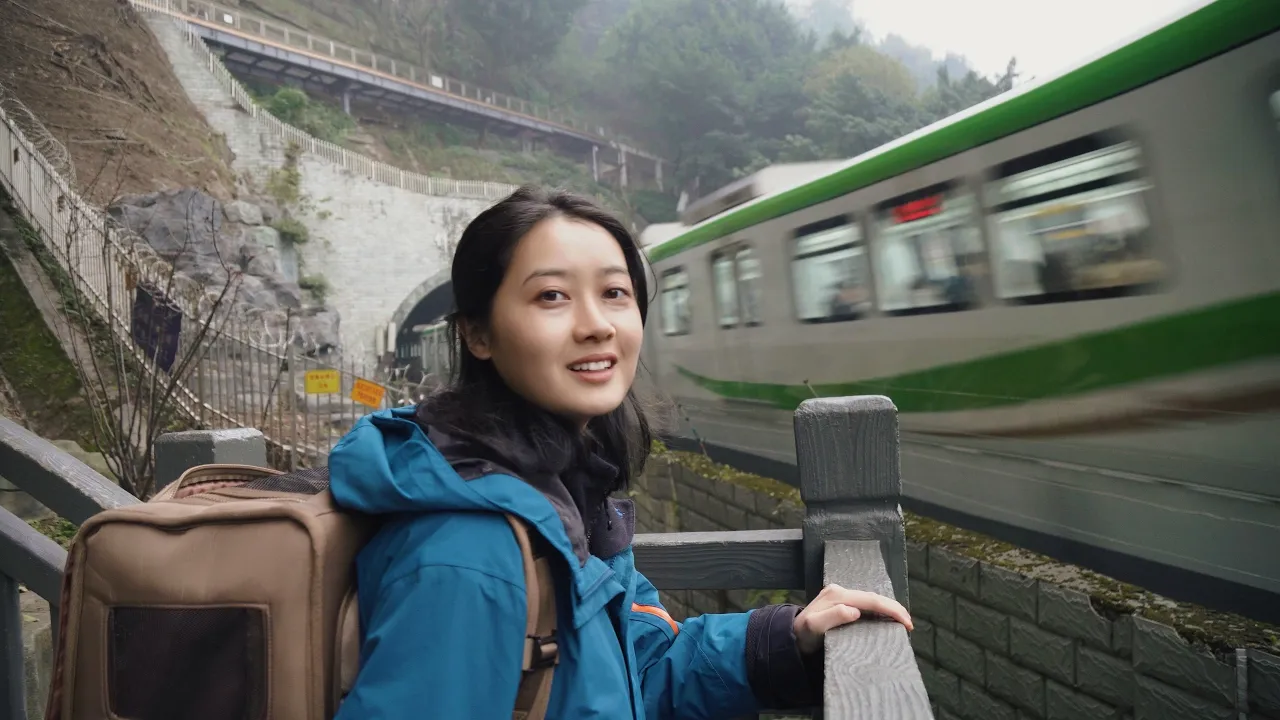
This video, "The Story of Chongqing | Mega Infrastructure in China," follows Honglin Li as he explores the captivating city of Chongqing, located in Southwest China. The documentary style captures the essence of Chongqing's transformation from a historical city with a rich past spanning over 5,000 years and 20 dynasties, to a modern megacity boasting 30 million inhabitants and remarkable infrastructure.
Honglin Li's personal connection to Chongqing adds depth to the narrative. He revisits a former workplace, highlighting the city's rapid development and the changes he's witnessed firsthand. This personal touch provides a unique perspective, allowing viewers to connect with the city on an emotional level. The video masterfully contrasts the impressive scale of Chongqing's modern infrastructure with the realities of daily life for its citizens.
The exploration begins at the Riverside dock, setting the stage for a journey through time and space. The journey takes viewers to the iconic Taiping Gate, one of Chongqing's nine remaining ancient gates, offering a glimpse into the city's rich history. The gate's past is explored, highlighting its role as a center of commerce and its connection to the opening of Chongqing's port 100 years ago.
The video also showcases the ruins of other city gates, emphasizing Chongqing's resilient past. The exploration continues to Baixiangjie, where the remnants of older buildings stand as testaments to the city's evolution. Honglin Li visits a building that once housed a foreign commercial corporation, now a Chinese-owned enterprise, and a former dance hall, highlighting the city's dynamic past.
The narrative shifts to a more personal level as Honglin Li revisits a former workplace, emphasizing the rapid pace of change and development. He observes the everyday life of Chongqing residents, from the hardworking cleaners to the man walking his dog. This juxtaposition emphasizes the contrast between the city's impressive infrastructure and the lives of its citizens.
The video's exploration of Chongqing's past and present is particularly engaging because of its focus on unique details and emotional moments. Honglin Li's personal insights, coupled with stunning visuals, create a powerful and unforgettable narrative. The journey culminates in a reflection on Chongqing's transformation, emphasizing the city's resilience and dynamism. The video leaves viewers with a deeper appreciation for the city's complex history and its remarkable journey into the modern era.
Honglin Li's journey through Chongqing unveils a city where ancient history dramatically intertwines with modern mega-infrastructure. Explore the captivating contrast between the iconic Taiping Gate, a relic of the past, and the bustling financial district of Wangji. Witness the evolution of Chongqing, from a riverside port to a sprawling metropolis, and discover hidden stories within its ever-changing landscape. This cinematic exploration reveals the city's unique blend of tradition and modernity, leaving a lasting impression of a city in constant motion.
Honglin Li explores Chongqing's blend of ancient history and modern mega-city life, revealing surprising contrasts and emotional connections in this captivating China journey.
Chongqing: Mega-City Infrastructure & History
0:38 Explore traditional markets and sample local cuisine. Chongqing offers a wide array of traditional meals cooked by hand, showcasing the rich culinary heritage of the region. Immerse yourself in the local flavors and discover unique dishes you won't find anywhere else.
2:03 Visit the Wangji area, the first financial area in Chongqing, and experience the city's vibrant commercial center. Explore modern architecture and enjoy the bustling atmosphere of this important business hub.
3:19 Discover the historical Taiping Gate, one of Chongqing's nine remaining ancient gates, dating back roughly 2,000 years. Explore its rich history and learn about its significance in the city's past.
5:58 Explore the well-preserved old buildings in Baixiangjie, offering a glimpse into Chongqing's architectural heritage. These buildings represent a fascinating blend of architectural styles and reflect the city's historical evolution.
8:24 Visit the former residence of the richest person in Southwest China, a unique blend of Western and Chinese architectural design. Explore the Mansion's history and learn about its significance in the city's past.
11:45 Experience the rapid development of Chongqing by revisiting a former workplace. Witness the transformation of the city and observe how it has changed over time. This offers a unique perspective on the city's dynamic growth.
0:14 Honglin in Western China
0:38 Traditional Chongqing food
1:09 Mountain and River City
2:03 Exploring Wangji
3:19 Taiping Gate history
5:58 Old building exploration
8:24 Richest person's residence
11:45 Revisiting former workplace
13:18 New perspective on city
17:31 Chongqing's growth
0:00 Intro
1:06 Basic info of Chongqing
2:00 Taiping Gate
5:40 Old buildings left at Baixiangjie
10:40 How Chongqing became a Mega City
12:22 Revisited my workplace 4 years ago and city walk on a mountain
17:06 Outro The Gap between Mega City and Real Life