Travel Guides & Tips in this video
- Tip 1Check bus terminal location in advance; confirm bus timetable to Shaxi and bring small change for tea eggs and snacks. (00:10)
- Tip 2Snacks and a cigarette break before boarding; station shops often have quick bites and tissues—keep essentials handy. (06:50)
- Tip 3Use the bathroom before departure as bus may not stop long; carry last four digits of DD app phone if needed for payment. (09:39)
- Tip 4Carpool can be pricier but more direct; confirm pickup location and time, and enjoy the scenic drive along the route to Dali. (22:24)
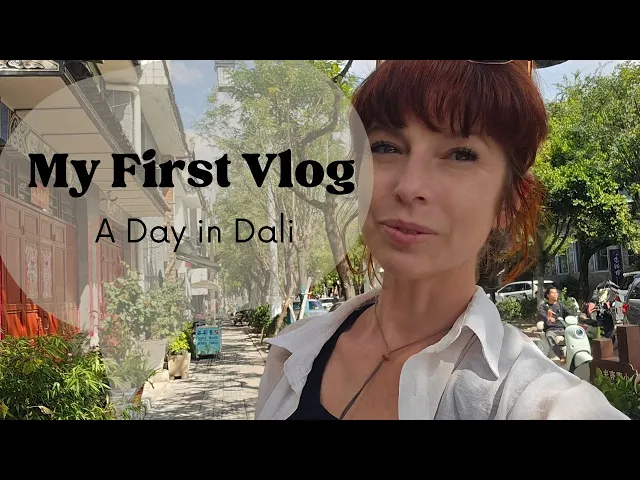
Jasminia Gough takes us on a breezy, scenic loop through Yunnan’s ancient towns, traveling from Lijiang Old Town to Shaxi Ancient Town by a straightforward bus hop, then onward to Dali Old Town by carpool. The day unfolds with a blend of weather twists, local flavors, and intimate glimpses into small-town life: sun breaking out after rain, a quick coffee-and-tea eggs detour, and a candid comparison of architectural vibes between Lijiang’s wood-and-pine charm and Dali’s stone-and marble character. Jasminia chats with locals and fellow travelers, wanders through Shaxi’s preserved caravan-era marketplace and Qing-dynasty theater, and snacks on a spinach-m mushroom tart from a French baker in Shaxi, all while showcasing how easy and rewarding slow travel in these highland towns can be. The video closes with a smooth carpool ride to Dali, a sunset coffee at Mission Coffee & Bar, and reflections on how to weave an efficient, enjoyable route through Lijiang, Shaxi, and Dali, including tips on
Next travel video: ( 31 / 32 )
More about the current video:( 30 / 32 )

Jasminia, your traveler host, kicks off in Lie Jang, chasing a simple route to Shashi (Shaxi) and then onward to Dali Old Town. The rain is ever-present in the season, but sunshine breaks through as the day progresses. She discovers the differences in building materials between Lijiang Old Town (predominantly wood) and Dali Old Town (stone and marble), noting how the landscape and trees frame each town’s aesthetic. A large part of the journey centers on the bus experience: finding the terminal, the one-hour-plus ride to Shaxi, and the no-stops bathroom reality that makes a pre-boarding break wise. She walks to her hotel from the town entrance, reviews a more budget-friendly option in Shaxi, and shares the practicalities of DD (DiDi-like) rides—capturing the last four digits of a driver’s phone for payment. The Shaxi day continues with a stroll through the old market and a Qing dynasty theater, imagining caravans past and the marketplace’s role as a cultural hub. Jasminia meets fellow travelers, including a photographer who helps capture memories, and jokes about the thunderstorm that sweeps through the town at night, underscoring the charm and unpredictability of travel in this region. A highlight is Pete’s Kitchen, a French bakery in Shaxi, where she indulges in a spinach-and-mushroom tart with Yunnan mushrooms and avocado, illustrating that a diverse culinary scene thrives in China’s smaller towns. The video also emphasizes the ease of finding unique offerings via Xiaohongshu (Little Red Book) and the joy of slow travel with a short carpool ride (about an hour and a half) back toward Dali. Jasminia’s reflections lean toward the value of early morning photography in old towns for quieter scenes and fewer crowds, along with the sense of adventure even when caught in a sudden thunderstorm. By the end, she consolidates the trip’s core message: Lijiang to Shaxi to Dali is a simple, rewarding route for travelers who want an intimate glimpse of China’s ancient towns, with practical tips on transport, lodging, and local eats. Traveler name appears briefly in conversation with a local photographer as a reminder that travel is as much about human connection as it is about scenery.