Travel Guides & Tips in this video
Steve Ronin takes viewers on a patient, ground-level exploration of Tiandu Chang, a vast residential project outside Hangzhou built to resemble Paris. He walks block by block to sift through online headlines about “China’s fake Paris” and to see how locals actually live, work, and navigate a city that feels both aspirational and unfinished. The film traces how the so-called ghost city era emerged in the early 2000s when developers projected rapid urban settlements before populations actually arrived, highlighting the 108-meter Eiffel Tower replica at the center of Tiandu Chang and the vision of a high-quality Paris-style life. The narrative doesn’t treat the place as a mere spectacle; it follows real residents, including a shop owner in a Paris-like corridor, families, and hotel staff, to reveal a nuanced picture of daily life, persistence, and gradual integration. The journey shifts from urban history to intimate moments: a sleeper train ride that exposes the social texture of Chinese
More about the current video:(Published on 2026-01-16)
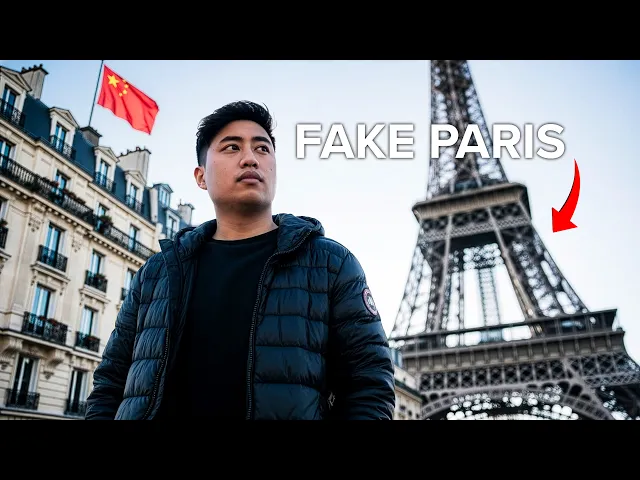
Steve Ronin embarks on a hands-on tour of a city built to resemble Paris, outside Hangzhou. He reflects on how a place online labeled as a ghost town actually hosts a growing community and everyday life. The Eiffel Tower replica sits at the heart of a sprawling complex that was meant to attract residents and investment, yet failed to fill as planned. Through conversations with residents, including a shop owner in a residential district turned storefront, Steve learns that Tiandu Chang is not a tourist destination but a real neighborhood where people live, work, and raise families. He rides a first-class sleeper train to experience travel in China, noting the contrast between class experiences, privacy, access to amenities, and the hum of daily life. Upon arriving in Hangzhou, he discovers a hotel that feels European, questions about visa availability, and the social fabric that keeps such developments alive. The narrative weaves commentary on internet censorship, VPN reliance, and the practical realities of life in a country whose digital landscape differs sharply from the West. Throughout, Steve and his companion Rich reflect on culture, openness, and curiosity, ending with reflections on the Eiffel Tower replica, local hospitality, and the sense that the city is part dream, part lived experience. The film blends awe at architectural audacity with respect for residents who call Tiandu Chang home, painting a portrait of ambition met with everyday resilience.