
Travel Guides & Tips in this video
Katherine visits Loman ancient town in Fuyang, Anhui, a thousand-year-old village and former hometown of Emperor Sun Quan. The village combines old architecture with everyday businesses and homes. She sees residents drying rice after harvest, encounters many people with the Sun surname, and learns about the town's connection to Sun Quan. Her walk reveals cobblestone buildings, a white material used in noodle-making, a bakery and old structures repurposed as shops, storage, a restroom and parking. Locals invite her to a Sunday church service, and she also tries local food. Conversations touch on the affordability of renting old houses and the area's badminton racket industry.
Next travel video:

More about the current video:(Published on 2024-11-30)

Rice harvest and Sun family history
Katherine arrives in Loman ancient town in Fuyang, Anhui, a thousand-year-old village that the video identifies as the former hometown of Emperor Sun Quan. The town's gate still has Chinese New Year decorations months later, and residents are drying rice from the harvest. This everyday scene draws attention from visiting tourists and shows how farming remains part of village life. Katherine notices that many residents share the Sun surname and learns that the family's presence is linked to descent from the emperor. The video presents the town's history through both its buildings and the people who live there.
Old buildings and village businesses
As Katherine walks through the town, she sees cobblestone houses and courtyards alongside modern businesses. Some old structures have been adapted for practical uses, including shops, restaurants, storage, parking and even a restroom inside a beautifully preserved building. A white substance she encounters is used in making noodles, a process that the video describes as complex. She also visits a bakery that reminds her of childhood. The mix of preservation and everyday reuse appears throughout the walk: older buildings continue to serve the people who live and work in the area rather than existing only as historical displays.
Local invitations, food and work
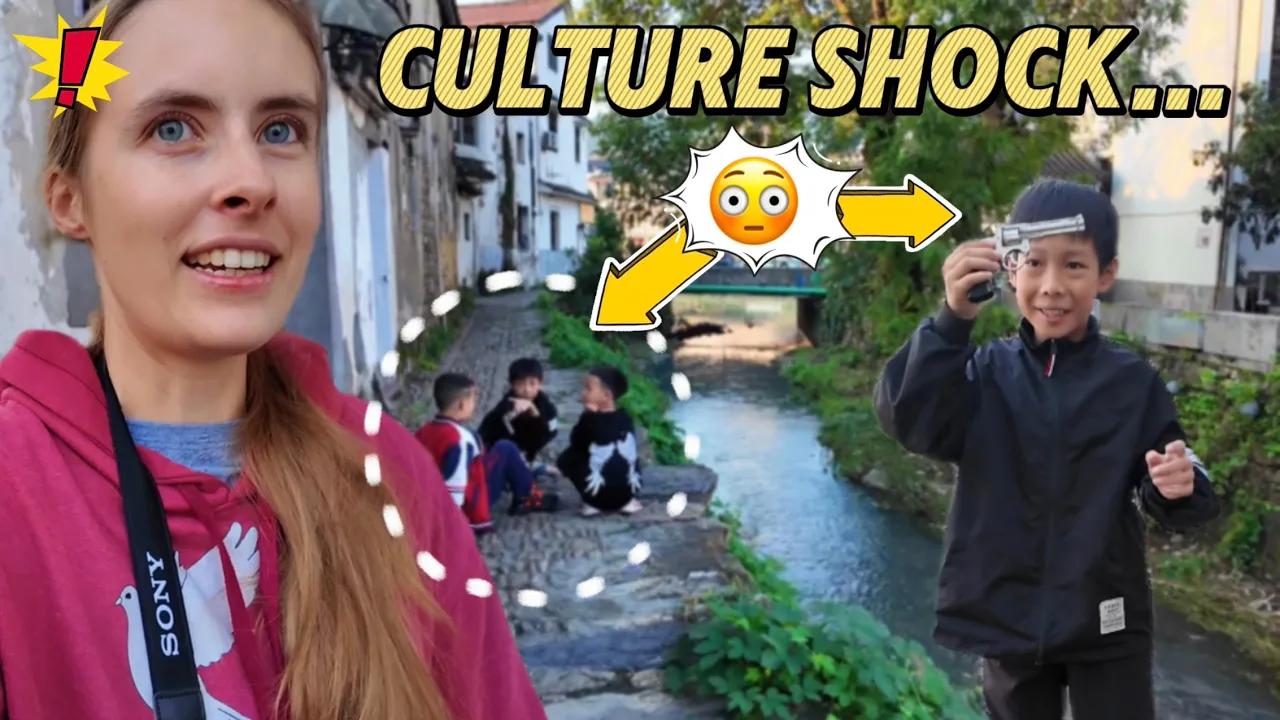
Katherine is invited to a Sunday church service, an unexpected part of the visit that introduces another side of local community life. She samples snacks including fried buns and later has a dinner of stir-fried beef. A conversation with a villager covers the affordability of renting an old house and the possibility of renovation. The town also has a badminton racket industry rooted in its local history; production shifted away from bamboo materials but continues as a source of work. Katherine's walk includes children playing traditional games and a lively street scene, alongside quieter courtyards and ancient architecture. She also observes the town's nighttime atmosphere, which includes both peaceful and chaotic moments. These encounters give her an account of rural life shaped by history and current livelihoods.
FAQs (From the traveler's perspective)
- Q: Why do many people in Loman ancient town have the Sun surname?
- A: The video says many residents share the Sun surname because they descend from Emperor Sun Quan, who is associated with the town's history.
- Q: What is the mysterious white substance used for?
- A: It is used to make noodles, and Katherine describes the process as long and complex while exploring the town.
- Q: What local cottage industry does Katherine learn about?
- A: The town has a badminton racket industry with historical roots. Production later moved away from bamboo materials.
- Q: How much does it cost to rent an old house in Loman?
- A: A villager says an old house can be rented for 1,000 RMB a month, though the video notes that renovation may be needed.
