
Travel Guides & Tips in this video
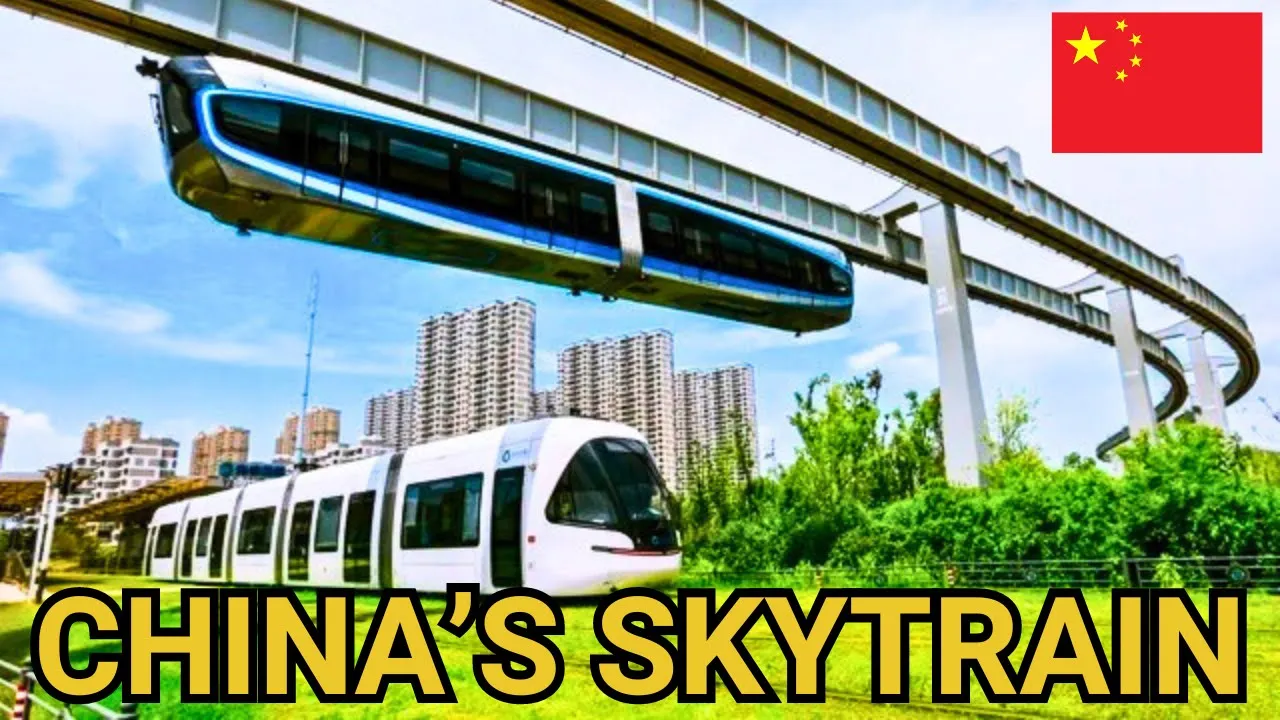
Barrett explores two sides of Wuhan: a ride on its driverless skytrain and a visit to the historic Yellow Crane Tower. The elevated train gives him a view of the city that differs from an ordinary subway ride. At the tower, local student Sebastian explains details of the architecture and its surroundings, including symbolic statues and the use of QR codes to read translations of ancient poems. Barrett ends with Yellow Crane Tower-themed ice cream.
Next travel video:

More about the current video:(Published on 2024-07-14)

A ride above Wuhan
Barrett begins his visit with Wuhan's driverless skytrain. The elevated route gives him panoramic views and a sensation he compares to floating in the air, unlike the enclosed experience of a typical subway. The ride is a practical way to see the city from above while getting a different perspective on its streets and buildings.
After the train, Barrett heads to the Yellow Crane Tower, a major historical landmark. He meets Sebastian, a local student from Bristol, who guides him through the site and shares information about its history. Barrett looks closely at the tower's architecture and carvings, taking time to appreciate the work involved in building it without modern tools.
Tower gardens and local details
The exploration continues through the gardens around the tower. Sebastian points out symbolic lion statues and goldfish and explains their cultural significance. QR codes at the historical site provide translations of ancient texts and poems, giving visitors a way to understand more of what they are seeing. Barrett's guide helps connect the physical details of the site with its stories and cultural background.
The visit finishes with Yellow Crane Tower-themed ice cream. This small local treat adds a light ending to a day focused on both history and present-day technology. Barrett responds with enthusiasm to the skytrain, the tower and the chance to hear local context. The video moves between the elevated transit line and the historic landmark, showing how a visit to Wuhan can include modern infrastructure as well as older architecture and poetry.
Barrett's route links two contrasting experiences. The skytrain is elevated above the streets and gives him a view across Wuhan, while the Yellow Crane Tower invites a slower visit among historical buildings and gardens. He describes the train's motion as an unusual floating sensation, then looks at the tower's carvings and construction. His guide Sebastian adds details that help explain what the visitor is seeing.
The grounds have details beyond the main tower. Sebastian points out lion statues and goldfish, explaining their symbolic meaning. Visitors can scan QR codes for translations of ancient poems, making the texts accessible alongside the architecture. Barrett also observes the contrast between modern buildings and historical structures as he looks over the city. The final stop is ice cream themed after the Yellow Crane Tower. The video ends after this mix of transport, history and a local snack, with Barrett reflecting on the different sides of Wuhan he encountered.
FAQs (From the traveler's perspective)
- Q: What does the Wuhan skytrain offer visitors?
- A: Barrett says the elevated skytrain offers panoramic city views and a different feeling from a typical subway. He describes the ride as feeling like floating above the streets.
- Q: What can visitors see at the Yellow Crane Tower?
- A: Barrett explores the tower's architecture and carvings with Sebastian, a local student from Bristol. They also walk through gardens where Sebastian explains the meaning of symbolic lion statues and goldfish.
- Q: How can visitors learn more about the historic site?
- A: QR codes at the Yellow Crane Tower provide translations of ancient poems and texts. Barrett also has Sebastian's local explanations of the tower and its surroundings, then tries ice cream themed after the landmark.
