Original source
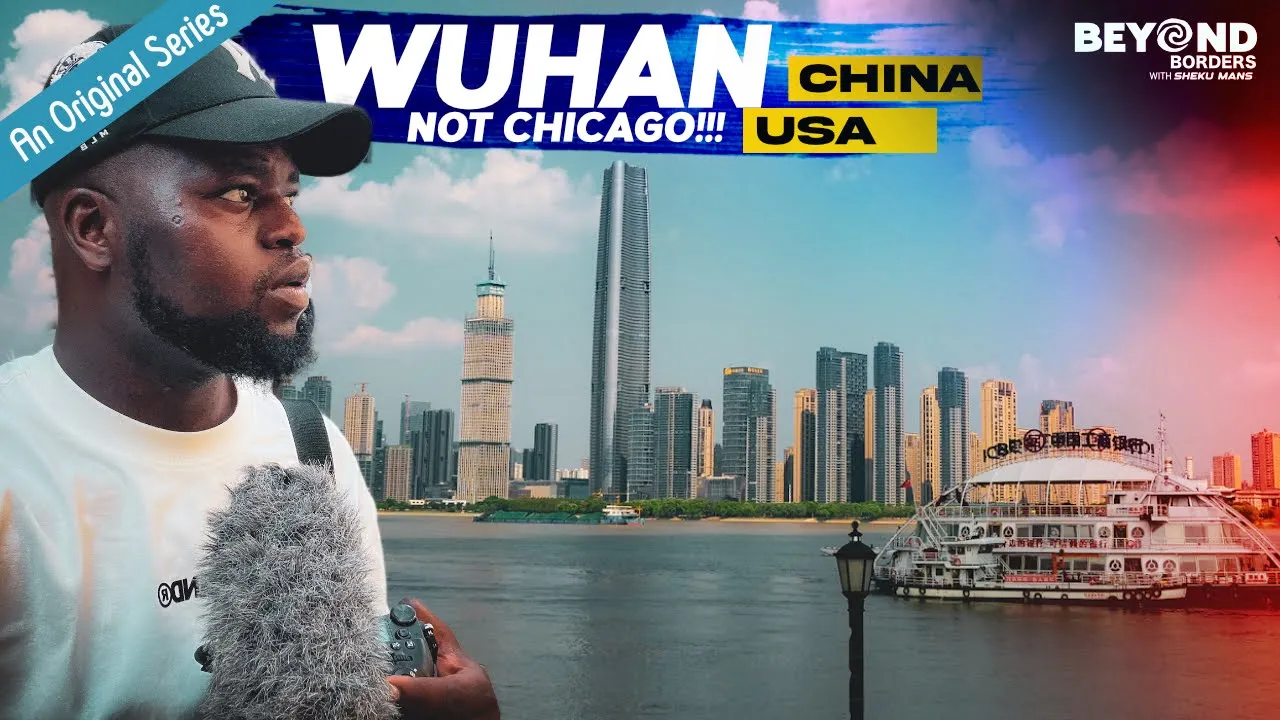
Inside Wuhan…The Chicago of China but SAFER (Travel China Documentary)
Wuhan Exploration: Economic Hub of Central China
My first time exploring Wuhan and I was impressed by the generosity of the people and shocked by the city's humidity. Wuhan, the capital of Hubei province, is a significant economic hub in central China. Its economy is diverse, with strong manufacturing, automotive, high-tech industries, and services...
My first time exploring Wuhan and I was impressed by the generosity of the people and shocked by the city's humidity. Wuhan, the capital of Hubei province, is a significant economic hub in central China. Its economy is diverse, with strong manufacturing, automotive, high-tech industries, and services sectors. The city has been recovering from the economic impacts of the COVID-19 pandemic, showing steady growth in recent years.
Sheku Mans' Wuhan adventure: a city recovering from the pandemic, yet brimming with economic vitality. He was struck by the kindness of the locals and the surprisingly humid climate. Wuhan, the heart of Hubei province, is a major economic powerhouse, boasting diverse industries and steady growth. This documentary offers a glimpse into a city's resilience and the warmth of its people.
My first time exploring Wuhan and I was impressed by the generosity of the people and shocked by the city's humidity. Wuhan, the capital of Hubei province, is a significant economic hub in central China. Its economy is diverse, with strong manufacturing, automotive, high-tech industries, and services sectors. The city has been recovering from the economic impacts of the COVID-19 pandemic, showing steady growth in recent years.
This travel documentary follows Sheku Mans's exploration of Wuhan, China, offering a unique perspective on this bustling city often compared to Chicago. Sheku's journey begins at Wuhan Tianhe International Airport, where he's impressed by the automated check-in process, a testament to China's technological advancements.
His taxi ride into the city provides an immediate introduction to Wuhan's intense heat and humidity, a stark contrast to his expectations. Despite a less-than-ideal taxi experience involving a higher-than-expected fare, Sheku's spirits remain high, fueled by his excitement for the adventure.
Exploring Wuhan, Sheku encounters the heartwarming generosity of local people. A street vendor offers him a free Pepsi and flatbread, highlighting the kindness and hospitality he experiences throughout his trip. This unexpected act of generosity underscores the positive human interactions that shape his journey.
The documentary showcases Wuhan's diverse culinary scene. Sheku samples local delicacies, including the iconic beef noodles, further enriching his cultural immersion. He visits a local rice market, a sensory experience showcasing the abundance and variety of rice in the region.
The comparison to Chicago, while intriguing, is explored with nuance. Sheku acknowledges the city's economic significance, strategic location, and role as a major transportation hub. However, he also points out key differences, particularly in terms of safety and the overall atmosphere.
Throughout the video, Sheku captures the essence of Wuhan, highlighting its blend of historical sites, modern infrastructure, and vibrant cultural life. His personal experiences, observations, and emotional responses add depth and authenticity to the narrative, offering viewers a compelling glimpse into this fascinating Chinese city. The video concludes with Sheku reflecting on his positive experience, emphasizing Wuhan's unique character and leaving viewers wanting to explore this remarkable destination for themselves.
Sheku Mans's Wuhan adventure unveils a city brimming with contrasts. From the automated efficiency of the airport to the bustling local markets overflowing with rice, his journey is filled with surprising discoveries. He navigates the humid heat, experiences the kindness of strangers offering free Pepsi, and marvels at the city's blend of historical charm and modern dynamism. While the comparison to Chicago might be debatable, Wuhan's economic power and strategic location are undeniable, leaving Sheku with a profound appreciation for this vibrant Chinese metropolis.
Sheku Mans explores Wuhan, China, charmed by its friendly locals and surprised by its intense heat. A captivating journey through bustling markets and historical sites leaves a lasting impression.
Wuhan Travel: Exploring China's Economic Hub
2:12 Be prepared for potentially higher taxi fares in Wuhan, especially during peak hours or if you are not familiar with local pricing. Consider using ride-hailing apps or negotiating the fare beforehand.
5:30 Wuhan can get extremely hot and humid, especially during summer months. Pack light, breathable clothing, stay hydrated, and take frequent breaks in shaded areas to avoid heatstroke.
9:34 Explore the local markets in Wuhan for an authentic cultural experience. You'll find a wide variety of fresh produce, spices, and local delicacies not found in typical tourist areas. Be sure to try the local rice dishes.
10:50 Wuhan is known for its delicious street food. Venture beyond the main tourist areas to discover hidden culinary gems. Be adventurous and try the local specialties; you might be pleasantly surprised.
13:18 While Wuhan is a modern city, it still retains a rich history. Take the time to visit some of the historical sites and museums to learn about the city's past. This will add depth to your understanding of Wuhan's unique character.
16:26 Engage with the locals! Many people in Wuhan are friendly and welcoming to tourists. Don't be afraid to strike up conversations, ask for recommendations, and embrace the local culture.
0:12 Arrival in Wuhan
2:12 Taxi experience
3:31 Kindness of locals
5:30 Wuhan's extreme heat
9:34 Local rice market
10:50 Best food in Wuhan
12:42 Chicago comparison
13:18 Wuhan's economy
15:07 Modern Wuhan
16:26 Sheku's final thoughts
0:12 Arrival in Wuhan
2:12 Taxi experience
3:31 Kindness of locals
5:30 Wuhan's extreme heat
9:34 Local rice market
10:50 Best food in Wuhan
12:42 Chicago comparison
13:18 Wuhan's economy
15:07 Modern Wuhan
16:26 Sheku's final thoughts
How was the experience of taking a taxi in Wuhan?
The taxi ride was a bit expensive, but it only took 30 minutes, which is better than the 1 hour 20 minutes it would have taken by subway.
What was the most surprising thing about Wuhan?
The most surprising thing was probably how hot and humid it was, and how kind the people were. A street vendor even gave me a free Pepsi and flatbread!
What's your opinion on the comparison of Wuhan to Chicago?
The comparison is interesting, but it's flawed. Wuhan is huge, and while it's an economic powerhouse like Chicago, it's also safer and has a different feel.
What was the food like in Wuhan?
The food was amazing! I especially loved the beef noodles. The local rice market was also a great experience.
What's your overall impression of Wuhan?
I had a great time in Wuhan! The people were incredibly friendly and welcoming, the food was delicious, and the city itself is a fascinating mix of old and new.