Travel Guides & Tips in this video
- Tip 1Take your time on the rooftop; use the panoramic view to orient yourself to the layout and the way the towers relate to the landscape. (0:41)
- Tip 2Use the skybridge to hop between buildings for a sense of the complex’s connectivity and density rather than single towers boxed apart. (4:34)
- Tip 3If you ride the glass elevator, brace for the clear view and plan a moment to step off at a higher floor for dramatic cityscape shots. (26:24)
- Tip 4From the central interior walkway, lean into the view and shoot across the interior to capture how the exterior space blends with indoor floors. (28:49)
- Tip 5Consider booking one of the apartment style rooms for a unique hotel like stay; note lack of balconies and ventilation limitations. (31:41)
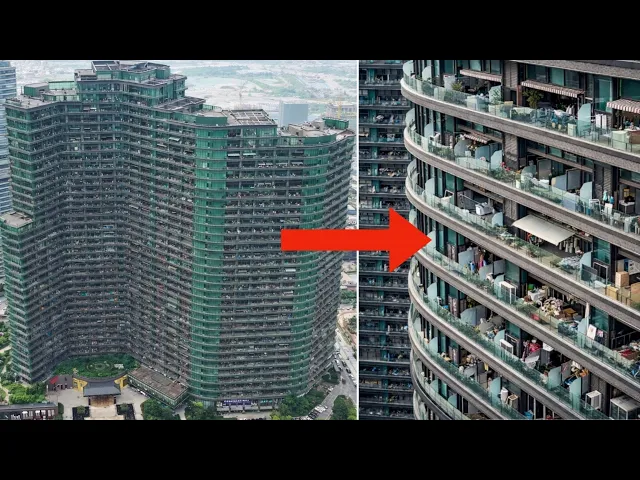
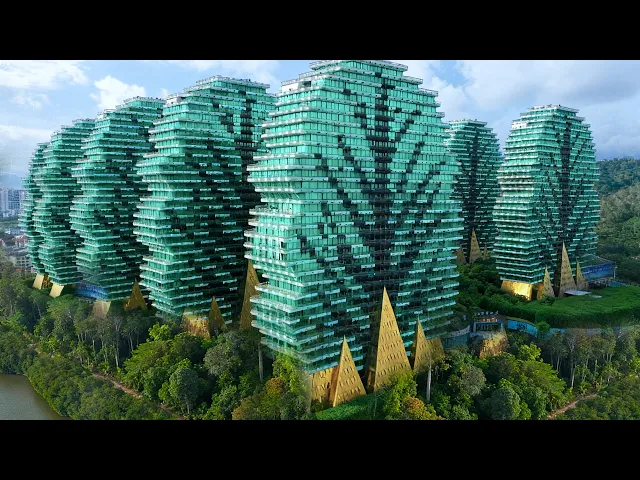
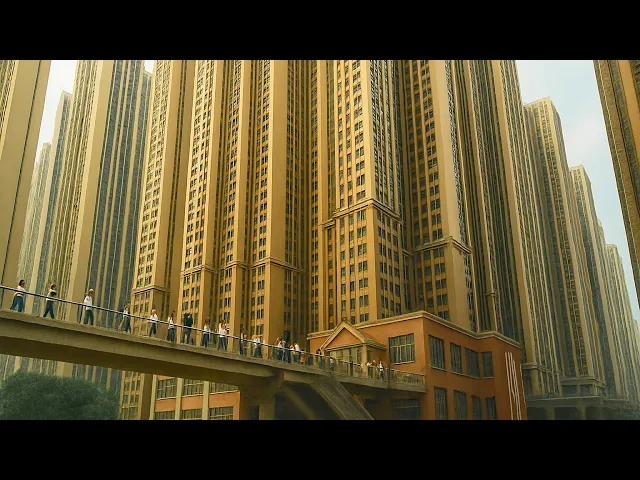
In this gripping tour of Nanjing’s most talked about futuristic landmark, CN Walking takes us through the Nanjing Zendai Himalayas Center, a complex designed by Ma Yansong that blends mountains, canyons, and a sci fi vibe. The video starts with awe at a building that from afar resembles a canyon framed by peaks, and gradually reveals that the “peaks” are rooftops and the “canyons” are interconnected walkways and courtyards. It’s a first person, long take stroll that moves from the rooftop panorama to interior offices and apartments, then down through a skybridge to a commercial street, and finally inside a tower of hotel like apartments. The journey highlights rooftop solar heaters, glass railings that plunge viewers into height with thrilling views, and the thoughtful use of glass and silkscreen patterns to elevate aesthetics. Along the way, the traveler notes mixed feelings about the density of the architecture, the sparsely staggered layout, and the occasional feeling of being in a,
Next travel video: ( 5 / 20 )
More about the current video:( 4 / 20 )

CN Walking guides viewers through the Nanjing Zendai Himalayas Center, a futuristic, mountain inspired complex designed by Ma Yansong. The tour begins on a rooftop where solar water heaters dot the skyline, then shifts to a skybridge that links buildings and reveals a commercial street below. The interior reveals offices and apartments, some of which have been converted into hotel like rooms. A central walkway leads visitors inside, offering sweeping views through transparent glass railings that heighten the sense of vertigo at height. The traveler rents one apartment for nine dollars a night, noting the lack of balconies and limited ventilation. The evening rooftop scene shows subdued lighting, which the host adjusts to improve the mood. Throughout, CN Walking emphasizes the balance of artistry and futurism, with moments of humor and curiosity about urban design, and the sense that this is architecture that both disrupts and celebrates everyday life in modern China.
The journey is a study in contrasts: massive, canyon like scale juxtaposed with intimate hotel style interiors; public space that feels village like yet is densely engineered for modern living; and glass, water, and earth tones that fuse technology with nature. The traveler mentions names and places, reminding viewers that this is a real journey through a living, evolving skyline.”,