Original source
96 Hours on the World's Highest Plateau
Yushu Plateau: 96 Hours in Qinghai's Tibetan Prefecture
Yushu Tibetan Autonomous Prefecture, whose capital is Yushu City, is one of Qinghai's eight prefecture-level administrative regions. It is the first Ethnic Autonomous Prefecture in Qinghai Province and the second one in China. Yushu means "historical site" in Tibetan, and there are indeed many...
Yushu Tibetan Autonomous Prefecture, whose capital is Yushu City, is one of Qinghai's eight prefecture-level administrative regions. It is the first Ethnic Autonomous Prefecture in Qinghai Province and the second one in China. Yushu means "historical site" in Tibetan, and there are indeed many historical sites.
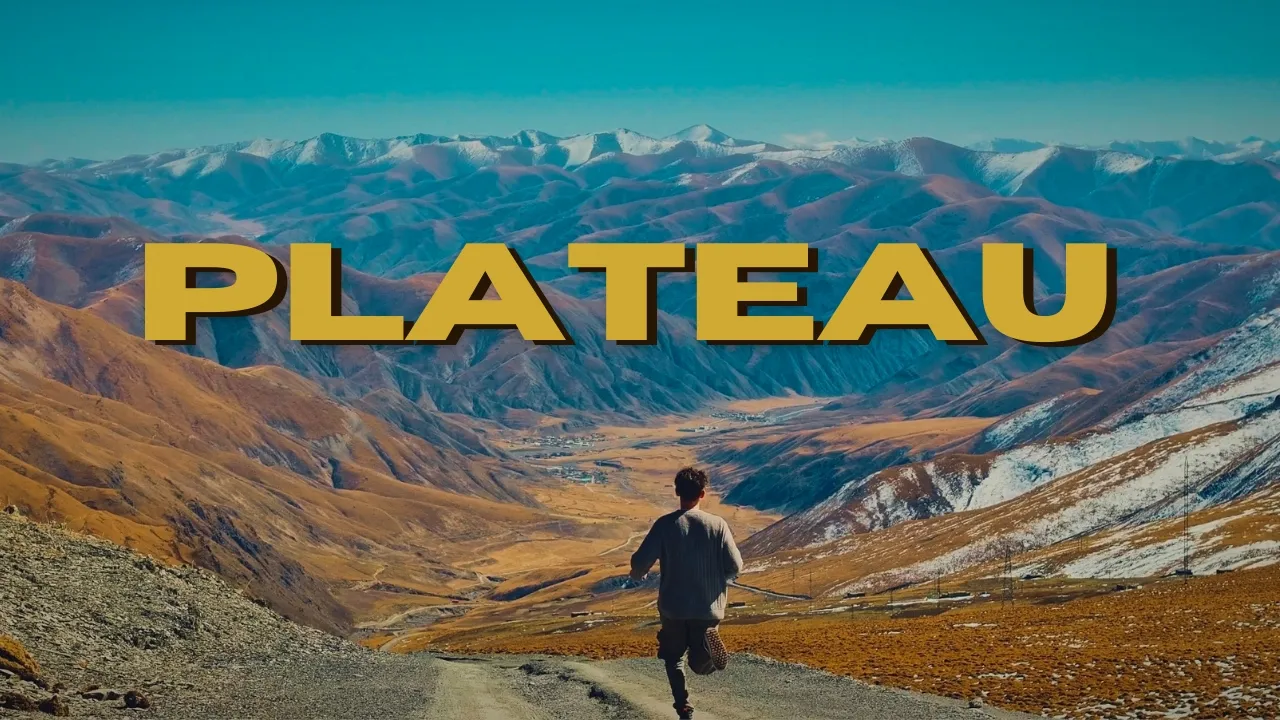
Bordering Tibet in the south, with an altitude of 4493.4 m, Yushu has a unique plateau natural landscape and Tibetan folk customs. Besides, it is where the Yangtze River, Yellow River, and Lancang River, three of the most important rivers in China, originate. The special geographic environment endows Yushu with rich plant resources and makes it the habitat of many rare animals. It is really an unforgettable experience to see the scenery and animals in person.
Explore the breathtaking Yushu Tibetan Autonomous Prefecture, nestled on the world's highest plateau at 4493.4 meters. Discover the confluence of three mighty rivers—the Yangtze, Yellow, and Lancang—and witness the unique plateau landscape and rich Tibetan culture. This 96-hour adventure promises an unforgettable journey through history and nature, encountering rare animals and stunning scenery.
Yushu Tibetan Autonomous Prefecture, whose capital is Yushu City, is one of Qinghai's eight prefecture-level administrative regions. It is the first Ethnic Autonomous Prefecture in Qinghai Province and the second one in China. Yushu means "historical site" in Tibetan, and there are indeed many historical sites.
Bordering Tibet in the south, with an altitude of 4493.4 m, Yushu has a unique plateau natural landscape and Tibetan folk customs. Besides, it is where the Yangtze River, Yellow River, and Lancang River, three of the most important rivers in China, originate. The special geographic environment endows Yushu with rich plant resources and makes it the habitat of many rare animals. It is really an unforgettable experience to see the scenery and animals in person.
This video documents Li's incredible 96-hour adventure in Yushu, Qinghai province, a region situated on the world's highest plateau. The journey begins in Nanan County, where Li is greeted by a breathtaking landscape and encounters gigantic birds circling overhead.
The trip continues with a visit to a salt field with a history spanning over a thousand years, showcasing the area's rich history and stunning scenery. The vastness of the landscape is highlighted, with the air described as providing an enhanced visual clarity.
A visit to the Ganden Temple, perched on a rock face, offers a glimpse into the region's unique Tibetan culture and architecture. The beauty and significance of the temple are emphasized, contrasting it with other experiences Li has had traveling through China.
The importance of water in Yushu is underscored as the video shows the origin point of three major Asian rivers—the Yellow River, Yangtze River, and Mekong River—all stemming from this area. A local dinner with yak meat provides a taste of the local cuisine.
Li explores the Longbao Nature Reserve, a vast wetland area dedicated to protecting the black-necked crane. A surprising encounter with a Tibetan fox adds an element of excitement to the wildlife viewing.
The journey continues with a drive through the mountains, culminating in participation in a traditional activity: collecting yak dung, which is used for various purposes by the locals, including heating and cooking. The practical uses of yak dung are explained, providing insight into the daily lives of the Yushu people.
Li spends time in a local village, making bracelets with local women, playing games with the men, and participating in a dance around a bonfire, demonstrating the warmth and welcoming nature of the Yushu community. The experience of connecting with the locals is a highlight of the trip.
The adventure concludes with a visit to a yak milking area, followed by a final walk around the village and a drive through remarkable countryside, culminating in a visit to a temple with ancient frescoes and a hike to view prehistoric rock art. The discovery of prehistoric art adds a layer of historical significance to the journey.
Li's overall experience is one of awe and wonder, filled with stunning landscapes, unique cultural experiences, and unforgettable encounters with wildlife and local people. The video concludes with a strong recommendation to visit Yushu, emphasizing its unique beauty and the warm hospitality of its people.
Explore the breathtaking Yushu Tibetan Autonomous Prefecture with Li, as they journey through the world's highest plateau. Witness the magic of 96 hours amidst towering mountains, crystal-clear rivers, and captivating Tibetan culture. From interacting with locals to witnessing rare wildlife, Li's adventure is a testament to the raw beauty and unique experiences Yushu offers. This is a journey that will leave you spellbound and yearning for your own adventure in this hidden gem.
Li's 96-hour adventure on the Qinghai-Tibet Plateau showcases Yushu's stunning landscapes, unique culture, and wildlife encounters, leaving a lasting impact.
Yushu Plateau: Rivers, Culture & Wildlife
1:32 Visit the salt field, a site with over 1000 years of history, and take in the stunning views and learn about its history. The high altitude provides amazing views.
2:03 Explore the Ganden Temple, a spectacular monastery situated on a rock face. Marvel at the architecture and immerse yourself in the rich Tibetan culture. Don't forget your camera!
3:34 Visit the Longbao Nature Reserve, a haven for wildlife, especially the black-necked crane. Bring binoculars for optimal wildlife viewing, and be patient for the best sightings.
5:09 Participate in a traditional activity like collecting yak dung, a valuable resource for locals. Learn about its uses and gain a deeper understanding of local life. Be prepared to get your hands dirty!
7:33 Explore the Gadang Temple, with its prayer wheels and ancient frescoes. Take your time to appreciate the details and the historical significance of the site. It's a unique cultural experience.
8:17 Hike up a small hill to marvel at prehistoric rock art. This offers a fascinating glimpse into the region's ancient history. Look closely for the ancient carvings.
9:02 Drink natural mineral water from a cave beside the Yangtze River. This is a unique opportunity to experience the pure taste of the region's natural resources. It's refreshing!
0:10 Li's Yushu adventure begins
1:32 Salt field visit
2:03 Ganden Temple exploration
3:34 Longbao Nature Reserve
5:09 Traditional yak dung activity
6:14 Village interaction
6:48 Yak milking experience
7:16 Mountain countryside drive
7:33 Gadang Temple visit
8:17 Prehistoric art discovery
0:10 Li's Yushu adventure begins
1:32 Salt field visit
2:03 Ganden Temple exploration
3:34 Longbao Nature Reserve
5:09 Traditional yak dung activity
6:14 Village interaction
6:48 Yak milking experience
7:16 Mountain countryside drive
7:33 Gadang Temple visit
8:17 Prehistoric art discovery