Travel Guides & Tips in this video
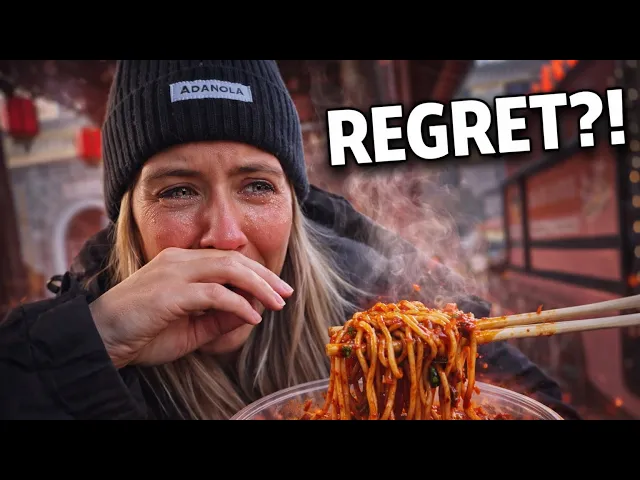
- Tip 1Try Jiangxi where the heat levels are high and the local spice culture is proudly distinct from Sichuan. Expect bold flavors and hot dishes that align with the Pa Bu La mindset. (0:29)
- Tip 2Watch the live kitchen action and consider trying fresh tofu skin made in-house for an authentic, plant-based bite. (2:04)
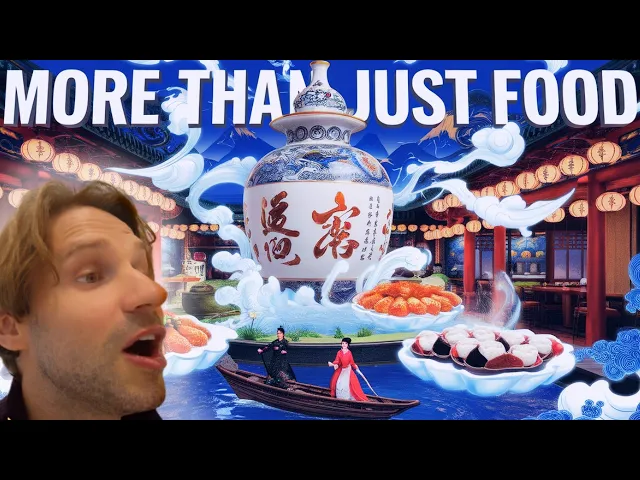
- Tip 3Take time to explore the huts by the river for a unique dining atmosphere combining water, light, and architecture. (5:33)
The video takes us to Jingdezhen, famously known as the porcelain capital, where Armin Sky stumbles upon a restaurant that feels unlike anywhere in the West. The vibe starts right at the entrance with fiery red peppers and a sign declaring Zhonggua Gancai Mingdian, a hotspot for Jiangxi cuisine renowned for its spiciness. Armin contrasts Jiangxi spice with Sichuan, joking about the local saying Pa Bu La versus La Bu Pa, and even jokes about a blister from the heat as proof of the cuisine’s bold character. The narrative weaves in the restaurant’s immersive environment: a pond with live singing and dancing, shimmering lights along the river, and a sprawling complex that seems to go on forever with multiple dining huts and hidden corners. He peeks into the kitchen where chefs showcase fresh, handmade tofu skin pressed in soy milk, ground soybeans, and a process that emphasizes freshness, no salt, and no MSG. The restaurant operates with an innovative dining flow—guests pick a red chip, a员
Next travel video: ( 2 / 3 )
More about the current video:( 1 / 3 )

Armin Sky arrives in Jingdezhen, the porcelain capital, and stumbles upon a restaurant that redefines dining with a riverfront setting and live performances. At the entrance, red peppers and a sign for Zhonggua Gancai Mingdian signal Jiangxi’s famously spicy cuisine. He explains the Sichuan versus Jiangxi spice contrast, recalling the local Pa Bu La saying, and even jokes about a blister to illustrate the heat. Inside, he checks out the kitchen where chefs demonstrate fresh tofu skin made from soy milk and freshly ground soybeans, emphasizing that the product is vegetable-based, salt-free, and MSG-free. Guests can select dishes using red chips that are delivered to their table, a playful and interactive touch. The space keeps expanding, with intimate huts to eat in and views of the river and boats, creating a scene that feels both architectural and cinematic. Armin chats with staff, praising Mandarin and noting the friendly service as part of the authentic experience. The video closes by inviting viewers to share whether such a restaurant would be of interest, promising to answer questions and encouraging likes before signing off on a high-energy, sensory journey through Jingdezhen’s culinary and cultural landscape.
FAQs (From the traveler's perspective)
- Q: Is this restaurant only about food or is there more to the experience?
- A: It’s a full experience with live performances, river views, and a sprawling, almost museum-like space that highlights Jingdezhen’s porcelain heritage as much as the food.