Travel Guides & Tips in this video
- Tip 1Arrive at Badaling early to observe the crowd and security checks; plan a quick ascent to get the feel of the restored section before moving on. (00:23)
- Tip 2Drive north toward Lianyunling; wear sturdy shoes; expect uneven steps and potential loose stones; carry water and a lightweight drone bag. (01:30)
- Tip 3When exploring the wild wall, test stability before stepping on unfamiliar blocks; keep a low center of gravity and avoid dislodging rocks. (03:50)
- Tip 4Be mindful of your drone and surroundings; respect restricted areas and watch for loose bricks or edges; ideally scout from safe vantage points. (07:40)
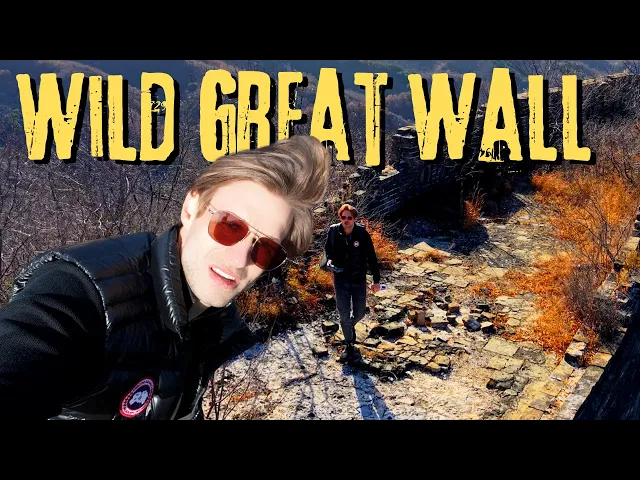
Armin Sky takes us on a compelling contrast tour of the Great Wall, starting at the famously restored Badaling and then revealing the wilder, less-visited stretches around Lianyunling. He frames the piece around two faces of the same ancient structure: a polished, tourist-friendly section with clear paths, security checks, and modern conveniences, and a raw, time-worn segment where the wall crumbles, rocks are stacked by hand, and climbing becomes an encounter with risk and raw nature. The contrast isn’t just aesthetic; it’s experiential, showing how safety, maintenance, and crowds shape our perception of history. As Armin hikes the wild section, he admires the dramatic landscapes, notes the curious engineering of the walls, and reflects on what endures when people neglect a monument built to endure centuries. The drone footage adds a cinematic layer, capturing sweeping vistas and the scale of the wild stretches that feel almost untouched by time. The video blends travelogue with a med
Next travel video: ( 4 / 4 )

More about the current video:( 3 / 4 )

Armin Sky presents two sides of the Great Wall: the well-known Badaling, a developed tourist hotspot, and the wild, largely untouched sections near Lianyunling. He walks through the high-energy entrance of Badaling, notes the security and crowd, and points out how pristine the restoration feels with perfect steps, lights, and trash cans. Then the focus shifts to the remote stretch around Lianyunling, where the wall is broken in places, stones of different sizes are stacked, and the route requires careful, often exposed climbing. He describes how some outposts can be entered from inside, warns about unstable bricks, and shares the thrill and danger of drone shots in a landscape that defies the typical tourist image. Throughout, he reflects on time, neglect, and what lasts when nature reclaims man-made wonders. The narration invites viewers to compare comfort and risk, wonder and caution, and to consider which side they’d rather explore. Armin appears buoyant about the wild section, lingering on the scenery and the human effort that built and continues to challenge the Wall.
FAQs (From the traveler's perspective)
- Q: Which part of the Great Wall did you explore first?
- A: I started at Badaling, the famous restored section, then moved to the wild, less visited stretch near Lianyunling for a stark contrast.