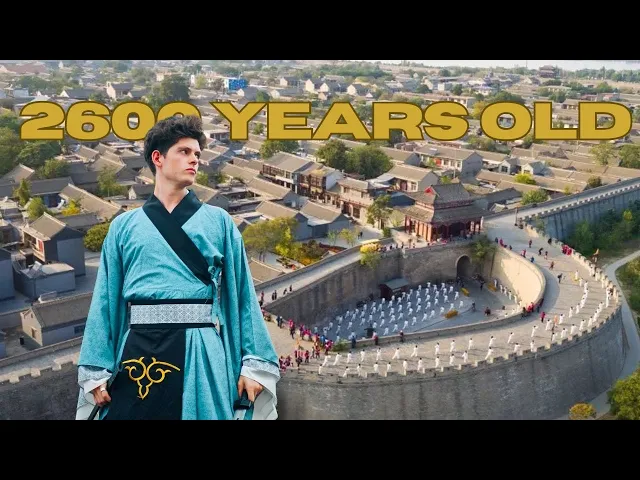
This travel vlog takes us on an incredible journey through China, focusing on the monumental Great Wall and the authentic village life surrounding it. RyanTwomey, our intrepid traveler, begins by introducing the sheer scale and historical depth of China, from its futuristic cities to its ancient wonders. The Great Wall, a structure spanning over 13,000 miles, is presented not just as a historical relic but as a testament to grand ambition, much like China's modern metropolises.
The adventure kicks off in Beijing, the nation's capital, where Ryan notes the unique aspect of China operating on a single time zone. The bustling energy of the city is palpable, with a vibrant food market offering a sensory overload of sights and smells. Navigating these markets, Ryan highlights the challenge and excitement of trying new foods without English translations, relying on visual cues and embracing the unknown.
The core of the experience unfolds as Ryan ascends a remote section of the Great Wall. The sheer number of stairs and the breathtaking views are emphasized, offering a profound sense of accomplishment. The historical significance is further explored with details about its construction, including the surprising use of sticky rice and lemon in the mortar. Ryan delves into the defensive strategies employed, from steep, narrow stairs to watchtowers designed to confuse attackers, painting a vivid picture of its military past.
A significant part of the journey involves staying with local farmers in a small village near the Great Wall. This immersion into rural life provides a peaceful contrast to the grandeur of the wall. The experience includes sharing meals and learning to make traditional dumplings, offering a genuine taste of local hospitality and culture. This authentic interaction underscores the descriptive elements of the vlog, showcasing a more intimate side of China.
The exploration continues with a visit to a less-traveled, untouched section of the Great Wall, known as the Panlong or Coiling Dragon section. Here, nature is reclaiming the ancient structure, with plants growing over the ruins, adding to its mystique and the local legend of a dragon regaining its scales. The raw, dilapidated state of this section offers a different perspective compared to the restored Ming Dynasty portions, revealing the passage of time and the elements.
Throughout the journey, Ryan shares personal insights, including a notable fear of spiders encountered along the wall. The vlog also touches upon cultural nuances, such as the practice of slurping food as a sign of respect, which is a distinct contrast to Western dining etiquette. The overall narrative is one of discovery, awe, and a deep appreciation for the rich history, stunning landscapes, and warm hospitality encountered in China, far exceeding initial expectations.
FAQs (From the traveler's perspective)
- Q: What was the mortar for the Great Wall made of?
- A: Surprisingly, it was made with sticky rice and lemon, which helped strengthen the bricks over time!
- Q: Can you really see the Great Wall from space?
- A: No, that's a common myth! You can't see it from space with the naked eye; photos usually involve powerful telephoto lenses.
- Q: What's the deal with eating in China?
- A: It's a cultural thing! People slurp their food loudly and chew with their mouths open as a sign of respect, which is quite different from what we're used to.
- Q: What was the most surprising construction detail about the Great Wall?
- A: The use of sticky rice and lemon in the mortar was pretty wild, and the strategic design of steep stairs and confusing watchtowers for defense was fascinating.
- Q: What was it like staying with local farmers?
- A: It was a peaceful and authentic experience, getting to share meals and learn local traditions like making dumplings. It really gave a different perspective than just visiting the major sites.