Travel Guides & Tips in this video
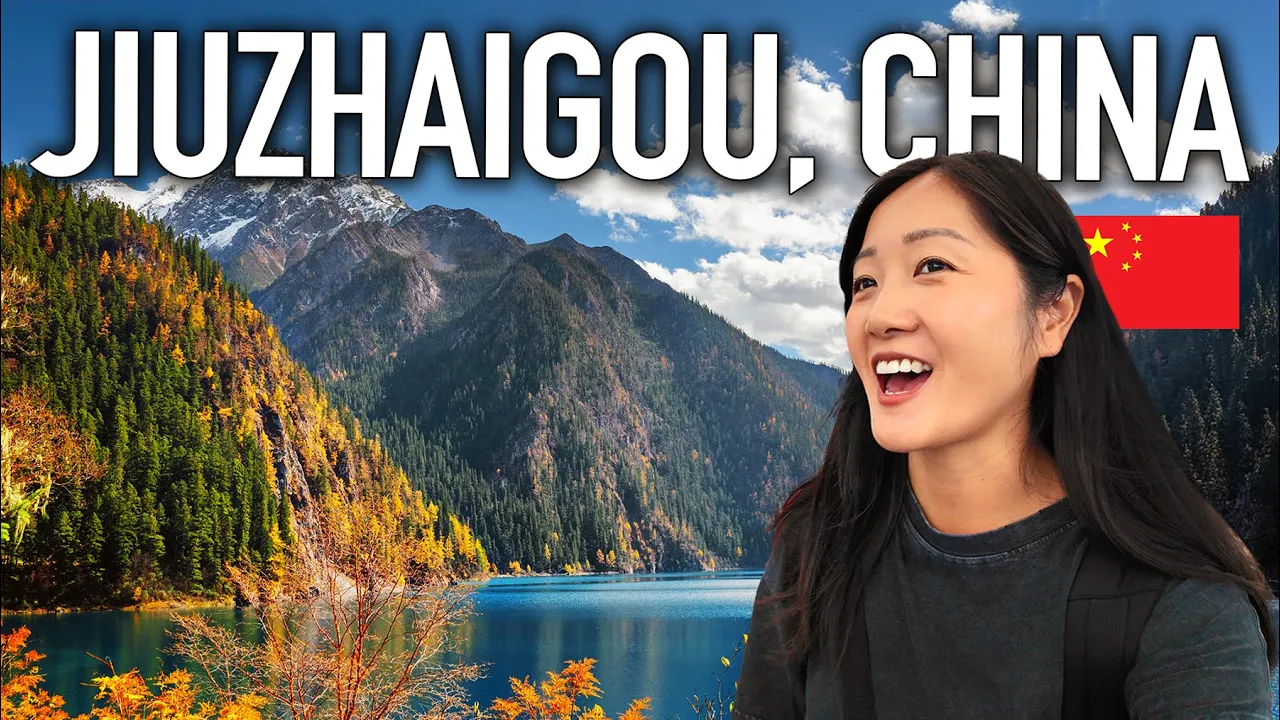
Flora And Note travel from Chengdu to Jiuzhaigou Valley in Sichuan, taking a high-speed train and then a bus to reach the area. They stay in an affordable guesthouse and spend a day in Jiuzhaigou National Park, where blue lakes, waterfalls, limestone mountains and glacier water stand out. The visit also brings crowds, uncertain bus routing and plenty of walking. The couple share practical reflections on tickets, meals and finding quieter places such as Long Lake. The couple also describe the journey inside the park, including the uncertainty of which side their bus would reach and the amount of walking required. They recommend buying tickets early, carrying food and allowing time for rest. Long Lake stands out as a quieter stop, though reaching it means going higher into the park.
Next travel video:

More about the current video:()

Getting from Chengdu to Jiuzhaigou
Flora And Note begin their trip in Chengdu before taking a high-speed train to Huanglongjiuzhai Station and continuing by bus toward Jiuzhaigou County. Their travel day includes a busy bus station and a ride through the region before they arrive at their accommodation. They find a guesthouse for around forty dollars a night, which fits their preference for affordable places over larger hotels.
The next day they visit Jiuzhaigou National Park. The couple are struck by the blue lakes, waterfalls and forests, with the landscape framed by limestone mountains and water from glaciers. They describe the park's natural setting while moving between areas by bus and on foot. The route inside the park can feel uncertain: the couple do not know which side of the park their bus will take them to until they are already traveling.
Crowds, walking and quieter views
Jiuzhaigou is popular, and the number of visitors affects the experience. Flora And Note encounter crowds but also find moments of quiet, including at Long Lake, which they like for its peaceful atmosphere and views. Its higher elevation means fewer visitors make it that far. They also meet another tourist who asks them to take photos and videos.
The visit requires planning. Tickets are limited, so the couple advise booking online in advance. They also mention the long walking distances, recommend comfortable shoes and suggest bringing snacks and lunch to save time and money. When eating, they note that portions in China can be large; their simple lunch includes vegetables, steamed egg, a chicken leg and rice for forty-five CNY.
The video balances appreciation for the scenery with the practical challenges of a popular attraction. Flora And Note complete a place on their bucket list, having traveled by train and bus, found a guesthouse and spent the day moving through the park. Their account includes both the spectacle of the lakes and waterfalls and the fatigue and logistics of the visit.
FAQs (From the traveler's perspective)
- Q: What's the best time to visit Jiuzhaigou?
- A: The couple say September and October are considered the best time to visit, when the trees change color. They arrived a little early for that seasonal display, but still enjoyed the lakes and waterfalls.
- Q: How much does it cost to stay in Jiuzhaigou?
- A: Flora And Note found a guesthouse for around forty dollars per night. They note that larger hotels are also available, but they prefer more affordable accommodation.
- Q: How did you get to Jiuzhaigou?
- A: They took a high-speed train from Chengdu to Huanglongjiuzhai Station, then a bus to Jiuzhaigou County. The bus route to the park was uncertain: they did not know which side of the park they would reach until they were already on the way.
- Q: What was the food like in Jiuzhaigou?
- A: They had a simple lunch set with vegetables, steamed egg, a chicken leg and rice for forty-five CNY. They note that portions in China are generally large and say they try not to order more food than they can eat.
- Q: What was the most memorable part of the trip?
- A: The couple's favorite was Long Lake, which they found quiet and peaceful, with striking views. It is at a higher elevation, so fewer people make it there, giving them a calmer stop during the park visit.