Travel Guides & Tips in this video
In this finale of the China travel series, traveler Tia takes us to a recently opened region of China and guides us through a dramatic mix of alpine beauty, logistical puzzles, and personal reflections on accessibility and tourism. The journey begins with a clatter of cold air and snow that reshapes the landscape overnight, setting a mood of discovery and improvisation as she moves from bus to hotel in Ginsal. Tia’s humor and vulnerability come through as she navigates a hotel that feels almost characterful in its quirks, the peculiarities of Chinese hotel lighting, and the occasional language barrier that leaves her laughing at herself. She then ventures into a national park where the scenery is stunning, the crowds are oddly sparse, and the terrain alternates between serene blue waters and busy viewpoints. The contrast between off-season solitude and the day’s inevitable crowds anchors her reflections on what travel means in China today. She notes that many paths are closed or closed
More about the current video:(Published on 2026-01-30)
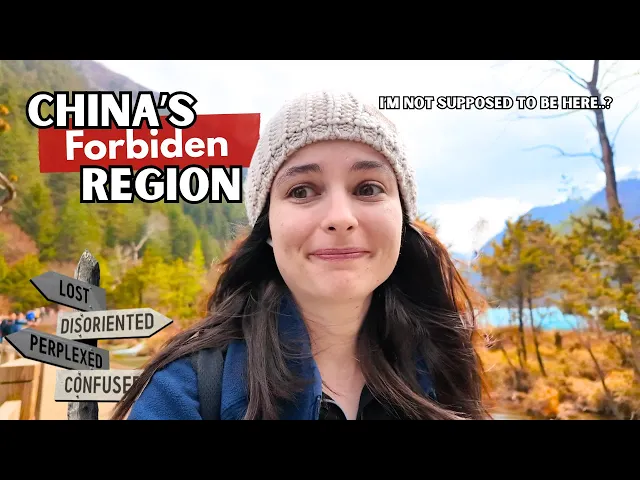
In this China travel finale, Tia arrives in a snow-dusted landscape, joking about hotel quirks and the odd delight of Dyson-like hair dryers. She wrestles with a challenging but beautiful national park, where crowds are unexpectedly light, paths are sometimes closed, and the true solitude she seeks remains elusive but present in the moments when the scenery shines and the water looks impossibly blue. She meets locals and other travelers, shares a playful moment with a street cat she names Wha, and reflects on the evolving accessibility and commercialization around this sacred space. The day is long, the wind keeps interrupting her filming, and she learns the logistical realities of buses, shuttle stops, and the costs involved in reaching the region. By the end, she weighs whether two days were enough, notes the surprisingly high price of meals, and questions how much of the authentic culture remains in a place shaped for photo shoots and controlled tourism. Through it all, her curiosity and humor carry the narrative as she signs off with a hopeful sigh for future travel in China.