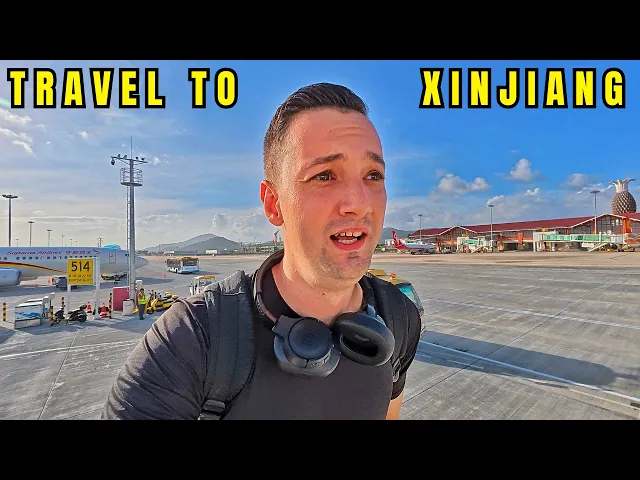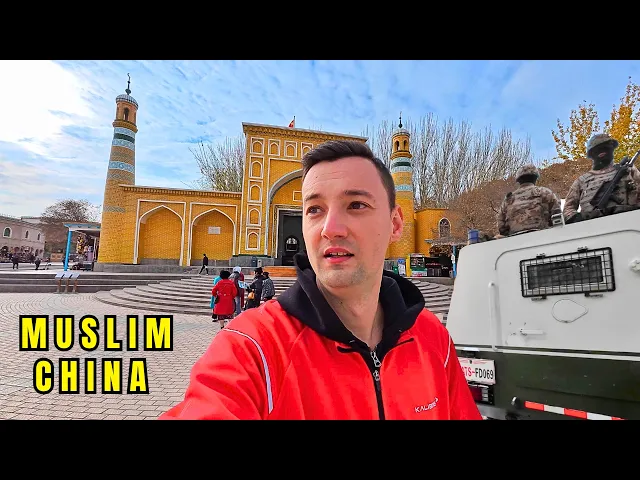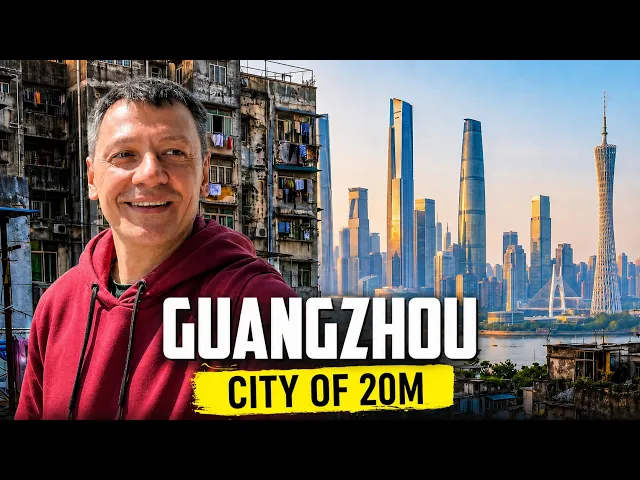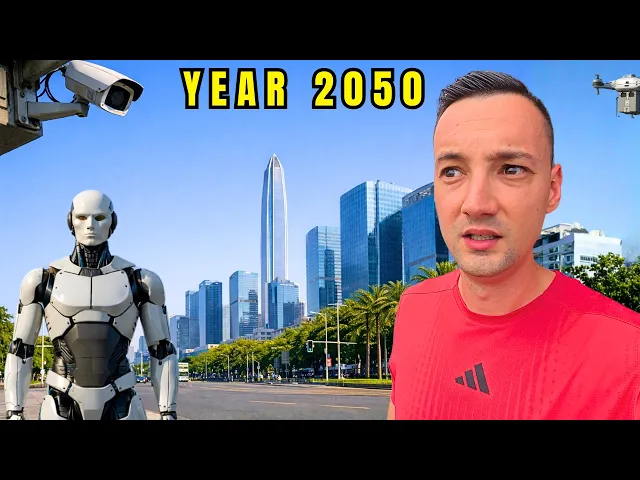
Travel Guides & Tips in this video
- Tip 1Book a driverless taxi ride for a first-hand feel of AI navigation and city traffic dynamics; stay calm and observe safety features like doors and seat belts. (00:46)
- Tip 2Get an eSIM before you travel to avoid local SIM hassles; preload apps and data plans for easy connectivity. (12:00)
- Tip 3Set up mobile payments (Alipay/WeChat) in advance and be aware you may need a Chinese phone number to access some features. (22:03)
- Tip 4If drone deliveries intrigue you, use designated drone stations rather than home delivery for viewing and pickup experiences. (30:02)
Ken Abroad visits Shenzhen, a city he describes as possibly the world’s most futuristic place, to explore how everyday life looks amid driverless taxis, robot coffee makers, drone deliveries, and a cashless society. He starts his day in a driverless taxi, sharing his mix of curiosity and anxiety about AI navigation, and gradually grows more comfortable as he compares safety statistics with human drivers. The ride prompts questions about accountability and what happens in emergencies when a car might fail or be unable to stop in time. Throughout the day he dives into the city’s surveillance-heavy environment, counting cameras and weighing perceived safety against privacy concerns, and observes how the omnipresent digital systems rely on Chinese citizens’ numbers, phones, and payment apps. He then visits a tech mall and a drone delivery station to see robots, drone logistics, and futuristic gadgets up close, including robot dogs, a flying taxi prototype, and a holographic display, while也
Next travel video: ( 34 / 34 )

More about the current video:( 33 / 34 )

Ken Abroad spends a day in Shenzhen, a city often tagged as the world’s most futuristic. The video follows a driverless taxi ride that triggers a mix of fear and fascination as AI controls navigation and safety concerns come to the forefront. He counts cameras around the city, discusses surveillance and privacy versus security, and notes that China plans to dramatically expand driverless fleets by 2030. At a tech mall he meets robots, drone delivery stations, and even a flying taxi prototype, pondering how automation could shape jobs and human interaction. He tests digital payments using Alipay and WeChat, explains ESIMs for travel connectivity, and comments on how foreigners face hurdles with Chinese ID requirements. As night falls, Shenzhen’s skyline lights up and he contemplates whether such tech-infused living is exciting or worrying, concluding that the future is approaching and will become ordinary for the next generations. He invites viewers to consider whether we can preserve humanity amid rapid automation.
FAQs (From the traveler's perspective)
- Q: Is Shenzhen really as futuristic as it seems?
- A: The city feels very advanced with driverless taxis, widespread digital payments, and visible surveillance, but it also raises questions about privacy and job disruption.
- Q: Can a foreigner use all the tech services in Shenzhen?
- A: Some apps and services require a Chinese ID or phone number, making it harder for non-residents to fully participate without assistance.