
Travel Guides & Tips in this video
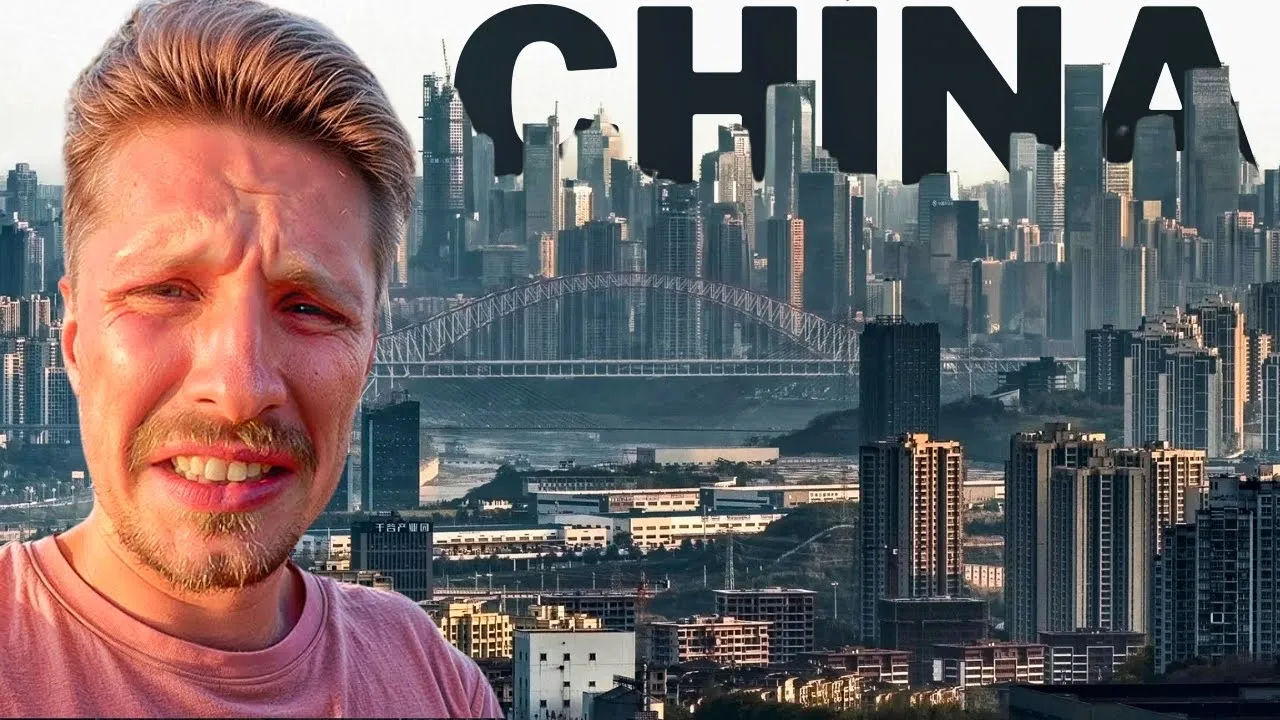
Backpacker Ben spends 48 hours in Chongqing with a local guide named Seven. They navigate streets where ground levels shift between floors, ride a metro line that passes through a residential building and see the city's high-rise terrain. Ben visits a hot pot restaurant, where he chooses ingredients himself, and sees apartments described as costing around $80 a month. A visit to a park gives him panoramic views after the dense streets, while the city's complex layout and helpful local interactions shape the trip.
Next travel video:

More about the current video:(Published on 2024-10-31)

A city with changing street levels
Backpacker Ben explores Chongqing with Seven, a local guide who helps him understand the city's steep and layered layout. Ben is struck by how street levels change across the terrain and how buildings connect vertically. One metro line passes through a residential building, a practical example of transit fitting into the city's dense geography. The trip also includes a ride on a long escalator and a look at the skyline from a park. Along the way, Ben sees how hard it can be to navigate without knowing which level a street or entrance is on.
Local food and everyday life
Ben and Seven go to a hot pot restaurant, where Ben selects ingredients and cooks them at the table. He reacts to unfamiliar choices and the heat of the meal. They also discuss rental prices in Chongqing; the source gives examples around $80 per month for apartments. Their conversations and interactions show the value of asking local people for help while exploring an unfamiliar city. Ben tries to travel by ride-hailing app and avoids the metro when pressed for time. The trip ends with a night view and a farewell to Seven, whose local knowledge made the route easier to follow. Ben describes Chongqing as confusing but memorable, with public transport, housing and food all shaped by its terrain.
A local guide through the city
Ben and Seven spend much of the visit working out how Chongqing's streets fit together. A building entrance can be far above what looks like street level, and the same structure may have several points that residents call the ground floor. Seven helps Ben distinguish routes and floors, making it easier to move between buildings and transit. Ben sees a metro train pass through a residential building and discusses how the system serves a dense neighborhood. Their route also includes a long escalator and a stop at a park with a broad view over the city. These features reflect the terrain rather than a simple flat street grid.
Food and lodging
The pair try hot pot, selecting ingredients and cooking them at the table. Ben describes the spice and unfamiliar choices, while Seven explains some of the local experience. They also talk about low apartment rents, with the source giving both $80 examples and a $150 to $200 monthly range. Hotel arrival can involve multiple elevators and confusing layouts, so asking for help is practical. For getting around, the video mentions Didi and cautions that the metro may take longer if time is limited. Their observations combine housing, transport and food, making the city easier to understand through particular experiences rather than abstract claims.
FAQs (From the traveler's perspective)
- Q: How can a visitor navigate Chongqing?
- A: The video shows Ben exploring with a local guide, Seven. Chongqing has steep terrain and several street levels, so local directions can be useful.
- Q: What is unusual about the metro?
- A: A metro line passes through a residential building, showing how transit fits into the city’s dense terrain.
- Q: What did Ben try to eat?
- A: He visits a hot pot restaurant, chooses ingredients himself and cooks them at the table.
