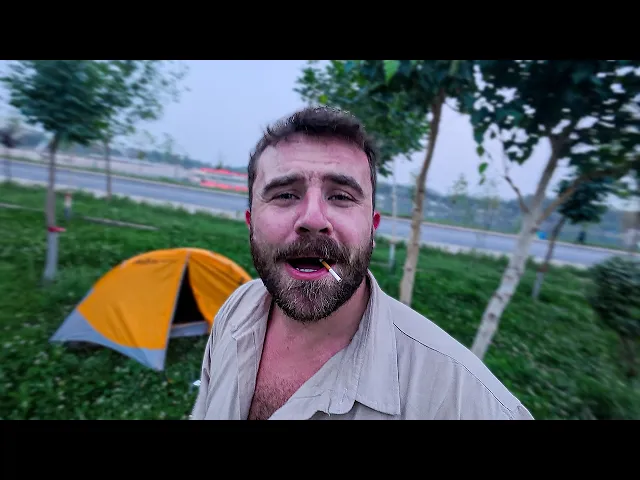
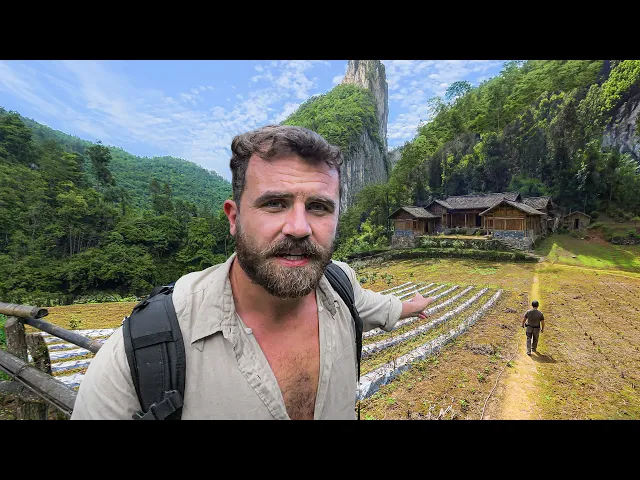
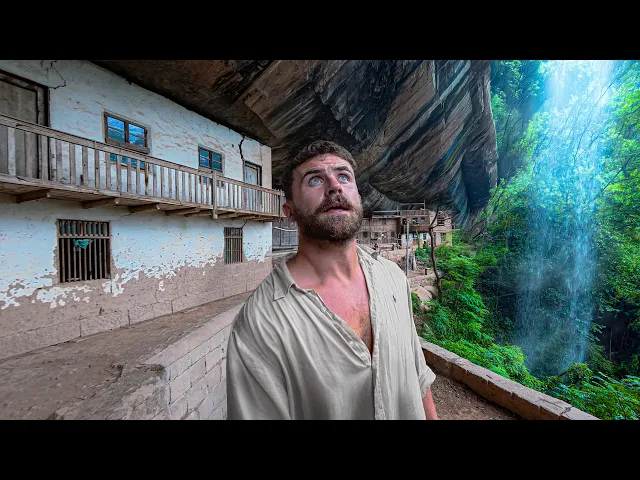
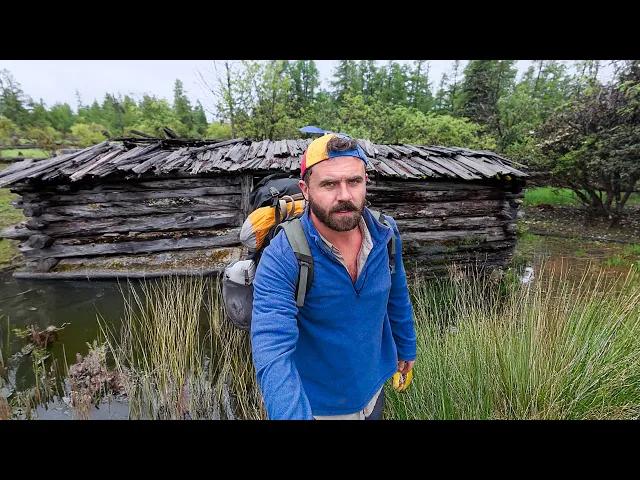
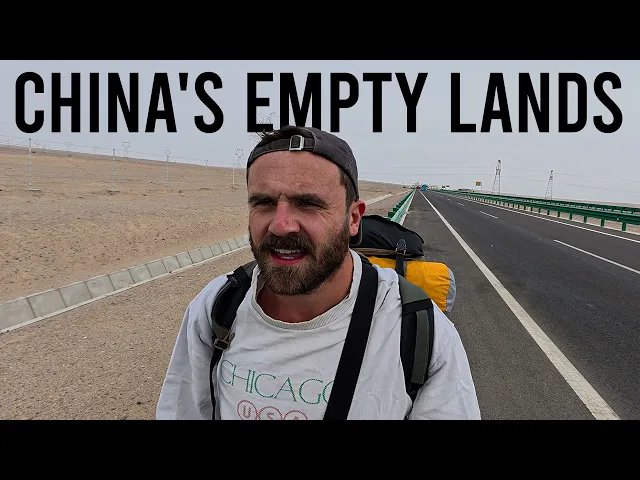
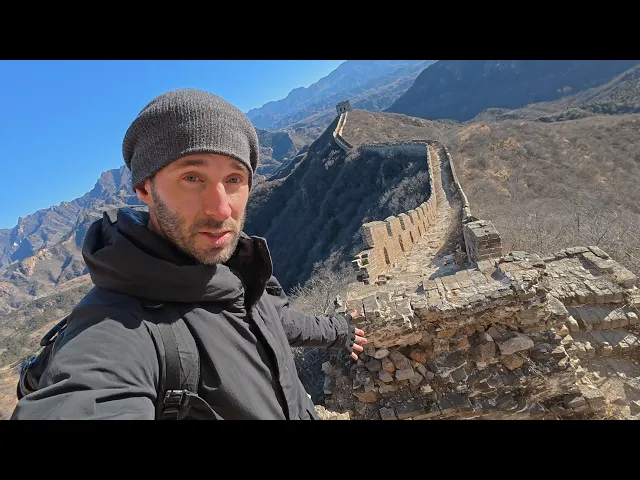
I travelled to the far west of China, to a place most people have never heard of, Tashkurgan. It’s a high-altitude town on the edge of the country, closer to the borders of Pakistan, Afghanistan and Tajikistan than to Beijing. This is where you’ll find one of China’s most isolated ethnic minorities: the Tajiks.
Once nomadic herders living in the mountains, many of the Tajiks have now left their traditional way of life behind and moved into cities. In this video, I explore what’s left of their culture, the impact of modernization, and what life looks like today in this remote and heavily monitored region.
Mike Okay treks to Tashkurgan, China's remote border town, to meet Tajik nomads, only to find modernization and fences have reshaped their ancient way of life.
Travel Guides & Tips in this video
Mike Okay ventures to China's far western edge, Tashkurgan, a high-altitude town near the borders of Pakistan, Afghanistan, and Tajikistan. He searches for the elusive Tajik nomads, only to find their traditional way of life fading as modern fences and urban development close in. A raw, eye-opening look at the cost of progress.
I travelled to the far west of China, to a place most people have never heard of, Tashkurgan. It’s a high-altitude town on the edge of the country, closer to the borders of Pakistan, Afghanistan and Tajikistan than to Beijing. This is where you’ll find one of China’s most isolated ethnic minorities:...
Searching for Tajik Nomads at China's Edge in Tashkurgan
Mike Okay's journey to the remote town of Tashkurgan, nestled on the edge of China, offers a glimpse into the life of the Tajiks, a unique ethnic minority. His captivating video explores their cultural heritage, the effects of modernization, and the realities of life in this isolated, high-altitude region bordering Pakistan, Afghanistan, and Tajikistan. Prepare to be enthralled by this extraordinary adventure!
Attractions in this video: Stone City, Pamir Mountains, Khunjerab Pass, Taklamakan Desert
Rural China Drinking: Silk Road Adventure
Summer, July 4, 2025
More about the current video:(Published on 2025-06-22)
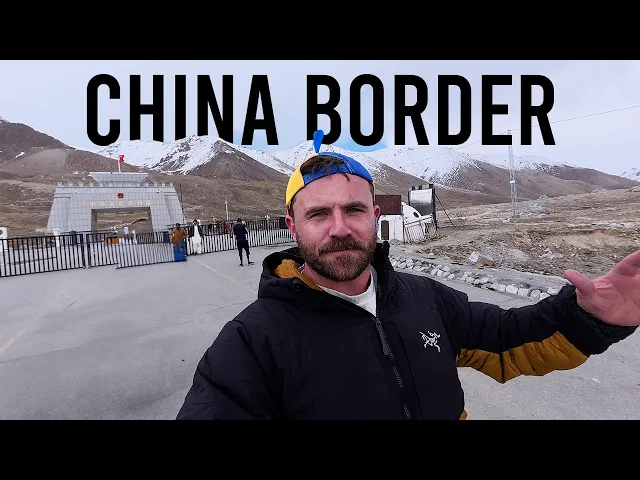
Mike Okay begins his journey at the Khunjerab Pass, the world's highest border crossing, leaving Pakistan's chaos for China's tightly controlled region of Xinjiang. He heads to Tashkurgan, a town near the borders of Pakistan, Afghanistan, and Tajikistan, home to the Tajik ethnic minority—a group distinct from both Han Chinese and Uyghurs. His goal: find the semi-nomadic Tajiks who once roamed the grasslands. But the reality hits fast. The town is encircled by barbed-wire fences, and the grasslands have been pushed far back by new development. After a failed attempt to jump a fence, Mike settles into a surprisingly cheap hotel (£25 a night) and rethinks his plan. The next day, armed with gifts (flasks, sunglasses, hats), he navigates a maze of barriers, cemeteries, and ancient Silk Road ruins—including a 2,000-year-old stone city. He finally meets a Tajik farmer who speaks Sarakoli, an Eastern Iranian language, and exchanges gifts. But the pure nomadic lifestyle he expected is gone. Most Tajiks have moved to cities for jobs and stability, leaving the land empty. Mike reflects on the broader global pattern: traditional nomadic ways are disappearing everywhere as modernization offers convenience, education, and opportunity. The video ends with him crossing into Kyrgyz territory and heading toward the Taklamakan Desert, still searching for authentic nomads. The journey is a poignant look at how progress reshapes ancient cultures, and how even the most remote corners of China are not immune to change.
FAQs (From the traveler's perspective)
Q: How did the border crossing from Pakistan to China go?
A: Relatively painless. The border guards were scary but I got through without a 30-minute interrogation like when I left North Korea.
Q: What was the biggest challenge in finding the Tajik nomads?
A: The entire perimeter of Tashkurgan is fenced off, making it hard to reach the grasslands where the Tajik nomads live. I had to walk around for an hour and a half to find an opening.