Travel Guides & Tips in this video
- Tip 1Arrive with a local contact and blend into market culture rather than sticking to tourist zones; ask vendors about origin and price to build rapport. (1:12)
- Tip 2Visit markets after 5 pm for peak activity; expect crowds, bargaining, and a mix of African and Asian merchants. (5:49)
- Tip 3Check shoe quality by lightness, stitching, and defects; negotiate price and try models before buying. (9:27)
- Tip 4Try local African-inspired foods; ask sellers for recommended dishes and regional variations to deepen flavor knowledge. (18:02)
- Tip 5Encourage travelers to explore language exchange corners and non-touristy streets for authentic experiences. (28:00)
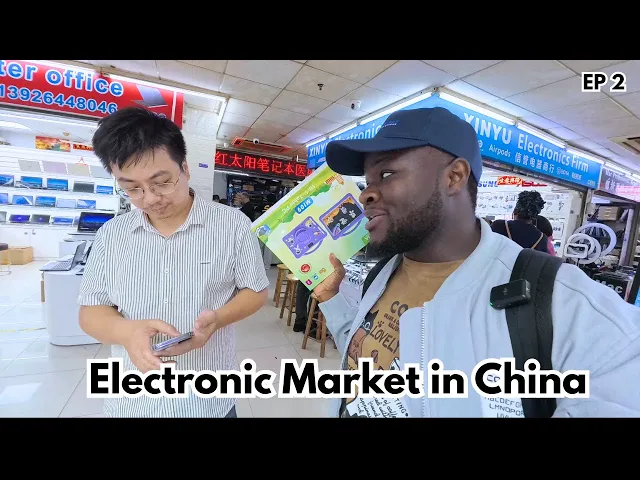
Harmony2nd takes viewers on a spontaneous evening in Guangzhou’s vibrant Tong San Lee and nearby night markets, exploring the city’s international rhythm and Africa-China crossroads. The crew, joined by Robert and Tony from Slovakia and Turkey, dive into a world where African, Asian, and European influences collide in food stalls, markets, and social spaces. They chat with traders and locals, test shoes and street snacks, and practice African languages with Kenyan market sellers, while swapping travel stories about Europe, Africa, and Asia. The experience unfolds as a carefree, dimly lit street scene: bargaining over prices, tasting spicy fried fish, sampling palm-wine style snacks, and marveling at a flood of goods from clothes to fake jewelry and shiny watches. Throughout, the participants emphasize that this area feels like a living hub where business activity, nightlife, and language exchange intersect, making “Little Africa” in Guangzhou feel surprisingly intimate and global. The夜
Next travel video: ( 34 / 34 )
More about the current video:( 33 / 34 )

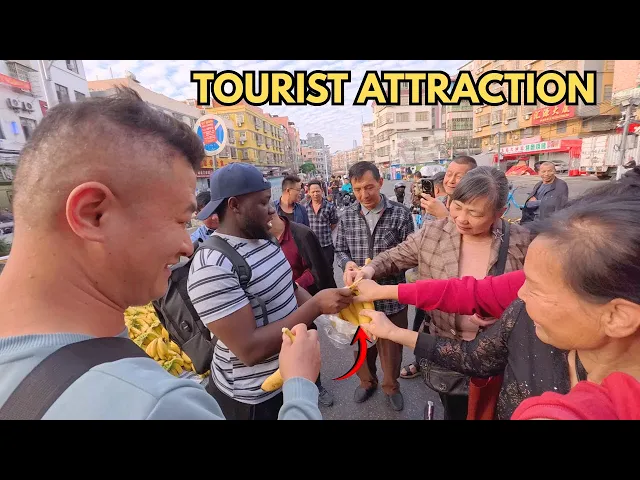
Harmony2nd leads a lively tour through Guangzhou’s Tong area and Yulong Market, where African, Asian, and European traders mingle with travelers. The group tests street food, negotiates prices, and observes how nightlife and commerce come alive after 5 pm. They meet sellers from Kenya and Nigeria, practice Swahili and other African languages, and discover that the local market scene is a genuine hub for language exchange and cross-cultural connection. The crew chats about different cuisines, the authenticity of Chinese food versus European expectations, and the thrill of discovering local artisans who speak multiple languages. Interactions with Rob and Tony—from Slovakia and Turkey—reveal a shared curiosity about Africa, travel, and the world, while the group discovers that the Tong area offers more authenticity and price-friendly finds than tourist spots. The video captures food moments, bargaining banter, fashion stalls with fake diamonds and affordable shoes, and the sense that Guangjo’s night markets are a microcosm of globalization in action, where a Nigerian seller, a Kenyan dancer, and a German-speaking local can all cross paths in one evening. Harmony2nd closes by teasing a new series focused on African food in Guangzhou, inviting viewers to subscribe for more street-level discoveries.
FAQs (From the traveler's perspective)
- Q: What makes Tong area different from typical tourist spots in Guangzhou?
- A: It feels like a living hub where African, Asian, and European traders mingle, offering authentic street food, affordable goods, and real local interactions rather than polished tourist experiences.