
Travel Guides & Tips in this video
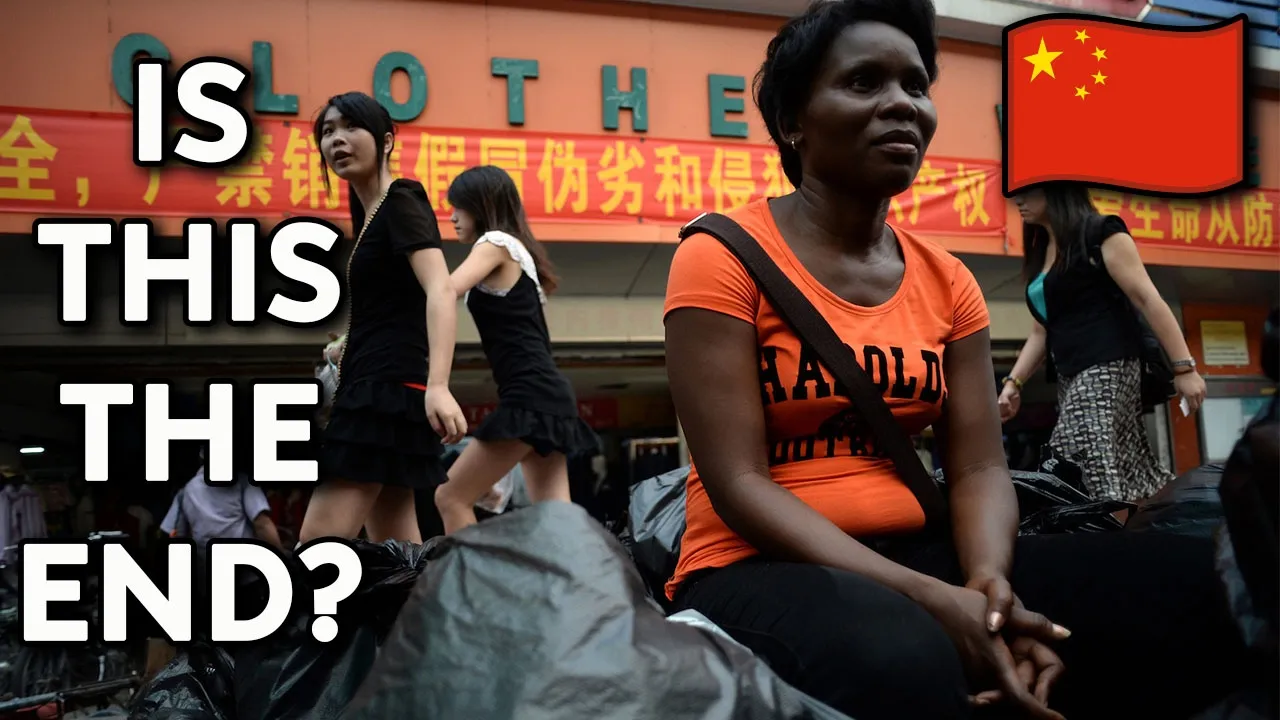
Eric G returns to Guangzhou's Africa Town, recalling his first visit in 2012 and a later trip. The area once drew African traders to southern China's wholesale markets, where they built businesses and sold clothing and other goods. Eric visits shops, an African barbershop, a restaurant and a Xinjiang-run halal ice cream shop, and interviews Willen about life in China. The episode discusses how immigration enforcement, the pandemic and direct selling by Chinese businesses have changed Africa Town's role. Eric also visits the city of Se and reflects on the area's scenery and friendly residents.
Next travel video:
More about the current video:()

Markets and businesses in Africa Town
Eric G explores Guangzhou's Africa Town, remembering the wholesale markets as a place where African traders sourced clothing, textiles and other goods. He visits shops selling African clothing, hair products and sportswear, though some businesses are quieter than in the past. The trip includes an African barbershop and a local restaurant, where he tries African food and reflects on the cultural exchange in the neighborhood. He also interviews Willen about an African's experience living in China. The area is compared with nearby urban villages, including differences in architecture and how the communities are organized.
Changes in the community
The episode discusses the reasons people moved to Guangzhou, including business opportunities near southern China's wholesale markets. It also describes changes since earlier visits: visa and immigration enforcement became stricter, the pandemic affected movement and trade, and Chinese businesses increasingly began selling directly to African customers. Those changes affected the role of the neighborhood and its commercial activity. Eric also notes businesses and residents from Xinjiang, India and the Middle East, showing the city's broader diversity. A Xinjiang-run shop sells halal ice cream. The video includes a trip to the city of Se, known in the source for its views, scenery and friendly people, and suggests self-driving as a way to explore. Eric's return focuses on both the area's transformation and the relationships and businesses that remain.
The return visit is shaped by Eric's memory of how the neighborhood felt in 2012. He recalls an active community in which visitors could hear different languages and find food, clothing and businesses from several countries in one area. He revisits wholesale trading shops, many of which are closed on Sunday, and sees African clothing, hair products and sports apparel. His restaurant and barbershop stops provide a view of cultural exchange as well as commerce. He describes encountering goat head on a menu for the first time and finding it surprisingly good. The video also mentions how people from Nigeria and Mali came to Guangzhou for business opportunities close to the wholesale markets. It connects the current changes with stricter immigration enforcement and the effects of the pandemic, including discrimination faced by African residents. Eric notes that Chinese businesses increasingly sell directly to African customers, which has changed Africa Town's role in trade. Even with fewer active shops, the area remains part of Guangzhou's multicultural landscape, alongside people and businesses from Xinjiang, India and the Middle East.
FAQs (From the traveler's perspective)
- Q: What does Eric find in Africa Town's wholesale markets?
- A: He sees shops that sell African clothing, textiles, hair weaves and sports apparel, though many of the shops are closed on the Sunday he visits.
- Q: What changes does the video discuss?
- A: Eric discusses stricter immigration enforcement, the effects of the pandemic and Chinese businesses selling directly to African customers, all of which changed the area's commercial role.
- Q: What other communities are represented in the area?
- A: Eric notes people and businesses from Xinjiang, India and the Middle East in Guangzhou, alongside the African community and businesses in Africa Town.
